

As a supplier of Carbon Steel Heat Exchangers, I've witnessed firsthand the challenges that industries face when it comes to ensuring the longevity and efficiency of these crucial components. One of the most significant issues is the resistance to thermal cycling, which can cause premature failure and costly downtime. In this blog post, I'll share some insights and strategies on how to improve the resistance to thermal cycling in a carbon steel heat exchanger.
Understanding Thermal Cycling in Carbon Steel Heat Exchangers
Thermal cycling refers to the repeated heating and cooling of a material, which can lead to thermal stresses and fatigue. In a carbon steel heat exchanger, these thermal cycles can occur due to changes in the operating conditions, such as fluctuations in temperature, pressure, or flow rate. Over time, these stresses can cause cracks, deformation, and other forms of damage, ultimately reducing the performance and lifespan of the heat exchanger.
The primary cause of thermal cycling damage in carbon steel heat exchangers is the difference in thermal expansion coefficients between the carbon steel and the fluids it comes into contact with. When the temperature changes, the carbon steel and the fluids expand or contract at different rates, creating internal stresses within the heat exchanger. These stresses can be further exacerbated by factors such as uneven heating or cooling, improper installation, or the presence of impurities in the fluids.
Strategies to Improve Resistance to Thermal Cycling
Material Selection
The choice of material is crucial in determining the resistance to thermal cycling in a carbon steel heat exchanger. While carbon steel is a popular choice due to its affordability and good mechanical properties, it may not be the best option for applications with high thermal cycling requirements. In such cases, it may be beneficial to consider using alternative materials, such as stainless steel or alloy steels, which have lower thermal expansion coefficients and better resistance to corrosion and thermal fatigue.
For example, 316 Plate Heat Exchanger made from stainless steel 316 offers excellent resistance to thermal cycling and corrosion, making it suitable for a wide range of applications, including those in the chemical, pharmaceutical, and food industries. The addition of molybdenum in stainless steel 316 enhances its resistance to pitting and crevice corrosion, further improving its performance in harsh environments.
Design Optimization
The design of the heat exchanger also plays a significant role in its resistance to thermal cycling. A well-designed heat exchanger should minimize the thermal stresses by ensuring uniform heating and cooling, reducing the temperature gradients, and providing adequate support and flexibility. Some design considerations include:
- Tube and Shell Configuration: The tube and shell configuration of the heat exchanger can affect the flow distribution and temperature profile. A proper design should ensure that the fluids flow evenly through the tubes and shell, minimizing the formation of hot spots and cold spots.
- Expansion Joints: Expansion joints can be used to absorb the thermal expansion and contraction of the heat exchanger, reducing the internal stresses. These joints should be properly designed and installed to ensure their effectiveness.
- Insulation: Insulating the heat exchanger can help to reduce the heat transfer rate and minimize the temperature gradients, thereby reducing the thermal stresses. Insulation materials should be selected based on their thermal conductivity, durability, and resistance to moisture and chemicals.
Manufacturing and Installation
The manufacturing and installation processes can also have a significant impact on the resistance to thermal cycling in a carbon steel heat exchanger. Proper manufacturing techniques, such as welding, machining, and surface finishing, should be used to ensure the quality and integrity of the heat exchanger. The installation should be carried out in accordance with the manufacturer's instructions, ensuring proper alignment, support, and connection of the heat exchanger.

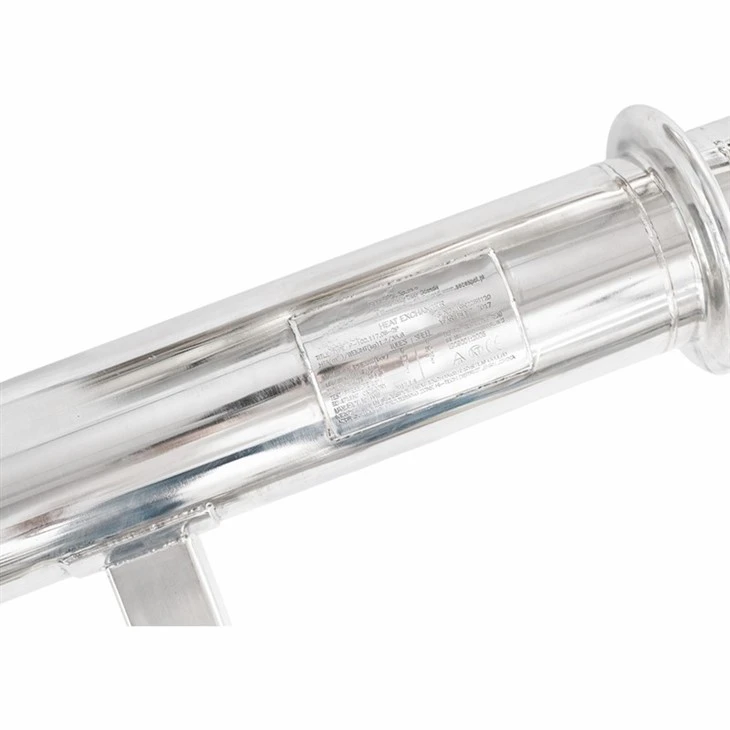
- Welding Quality: Welding is a critical process in the manufacturing of carbon steel heat exchangers. Poor welding quality can lead to the formation of cracks, porosity, and other defects, which can reduce the resistance to thermal cycling. Welders should be qualified and experienced, and the welding process should be carefully controlled to ensure the quality of the welds.
- Surface Treatment: Surface treatment can improve the corrosion resistance and fatigue life of the carbon steel heat exchanger. Processes such as shot peening, nitriding, and coating can be used to enhance the surface properties of the heat exchanger.
- Installation and Alignment: Proper installation and alignment of the heat exchanger are essential to ensure its proper functioning and resistance to thermal cycling. The heat exchanger should be installed on a level surface, and the tubes and shell should be properly aligned to avoid any misalignment or stress concentration.
Maintenance and Monitoring
Regular maintenance and monitoring are essential to ensure the long-term performance and reliability of a carbon steel heat exchanger. Some maintenance and monitoring activities include:
- Inspection: Regular inspections should be carried out to detect any signs of damage, such as cracks, leaks, or corrosion. Inspections can be performed using non-destructive testing techniques, such as ultrasonic testing, radiography, and magnetic particle testing.
- Cleaning and Descaling: Cleaning and descaling the heat exchanger can help to remove any deposits or contaminants that may affect its performance. This can be done using chemical cleaning agents or mechanical cleaning methods, such as brushing or high-pressure water jetting.
- Monitoring of Operating Conditions: Monitoring the operating conditions, such as temperature, pressure, flow rate, and fluid composition, can help to detect any changes or abnormalities that may indicate a problem with the heat exchanger. This can allow for timely maintenance and repairs to be carried out, preventing further damage and downtime.
Conclusion
Improving the resistance to thermal cycling in a carbon steel heat exchanger is a complex but achievable goal. By carefully considering the material selection, design optimization, manufacturing and installation processes, and maintenance and monitoring activities, it is possible to enhance the performance and lifespan of the heat exchanger, reducing the risk of premature failure and costly downtime.
As a supplier of Carbon Steel Heat Exchangers, we are committed to providing our customers with high-quality products and solutions that meet their specific requirements. Our team of experts can help you to select the right heat exchanger, optimize its design, and ensure its proper installation and maintenance. If you have any questions or need further information, please feel free to contact us to discuss your procurement needs.
For applications in the medical industry, our Double Tubesheet Heat Exchanger for Medical Industry offers enhanced safety and reliability, ensuring the purity and integrity of the medical fluids. Contact us today to learn more about our products and how we can help you to improve the performance of your heat exchanger.
References
- ASME Boiler and Pressure Vessel Code, Section VIII, Division 1: Rules for Construction of Pressure Vessels
- TEMA Standards: Tubular Exchanger Manufacturers Association Standards for Shell-and-Tube Heat Exchangers
- ASTM Standards: American Society for Testing and Materials Standards for Metals and Alloys