

Hey there! I'm a supplier of tubular heat exchangers, and I'm here to walk you through the process of installing one. Whether you're a DIY enthusiast or a professional in the industry, this guide will help you get your tubular heat exchanger up and running smoothly.
Pre - installation Checks
Before you start the actual installation, there are a few things you need to do. First off, make sure you've got all the necessary tools. You'll need a wrench set, a screwdriver, a measuring tape, and some sealant. Check the tubular heat exchanger for any visible damage during shipping. Look for dents, cracks, or loose parts. If you find anything wrong, don't hesitate to contact us right away.
Next, pick the right location for your heat exchanger. It should be in a well - ventilated area with enough space around it for maintenance. The location should also be close to the heat source and the area where the heat will be transferred. Make sure the surface where you'll install the heat exchanger is flat and sturdy. You can use a level to double - check this.
Mounting the Tubular Heat Exchanger
Now, let's start mounting the heat exchanger. First, mark the spots on the surface where you'll drill the holes for the mounting brackets. Use your measuring tape to ensure accurate placement. After marking, drill the holes carefully. The size of the drill bit should match the size of the bolts that come with the mounting brackets.
Once the holes are drilled, attach the mounting brackets to the surface using the bolts. Tighten the bolts firmly, but don't over - tighten them as this could damage the surface. Then, lift the tubular heat exchanger and place it on the mounting brackets. Line up the holes on the heat exchanger with the holes on the brackets. Insert the bolts through the holes and use a wrench to tighten them.
Connecting the Pipes
Connecting the pipes is a crucial step. You'll have two sets of pipes: one for the hot fluid and one for the cold fluid. First, determine which pipes are for the hot and cold fluids. Usually, the manufacturer will label them.
Cut the pipes to the appropriate length using a pipe cutter. Make sure the cuts are clean and straight. You can use sandpaper to smooth out any rough edges. Then, apply a thin layer of sealant to the pipe ends. This will prevent any leaks.
Connect the pipes to the inlets and outlets of the tubular heat exchanger. Use pipe fittings to make the connections. You can use a wrench to tighten the fittings, but again, don't over - tighten. Over - tightening can cause the fittings to crack or damage the heat exchanger.
Electrical Connections (if applicable)
Some tubular heat exchangers may have electrical components, such as pumps or sensors. If your heat exchanger has these, you need to make the electrical connections carefully. First, turn off the power supply to avoid any electrical shocks.

Locate the electrical terminals on the heat exchanger. Connect the wires according to the wiring diagram provided by the manufacturer. Make sure the connections are secure. You can use wire nuts or electrical tape to insulate the connections. Once the connections are made, turn the power supply back on and check if the electrical components are working properly.
Testing the Installation
After you've completed all the installation steps, it's time to test the heat exchanger. First, fill the system with the appropriate fluids. Start with a slow flow rate to check for any leaks. Look for any drips or puddles around the connections. If you find a leak, turn off the flow and tighten the connection or replace the sealant.
Once you're sure there are no leaks, increase the flow rate and turn on the heat source. Monitor the temperature and pressure of the fluids. The heat exchanger should start transferring heat efficiently. If you notice any abnormal temperature or pressure readings, or if the heat transfer is not working as expected, there may be an issue with the installation.
Maintenance Tips
To keep your tubular heat exchanger working well, regular maintenance is essential. Clean the heat exchanger periodically to remove any dirt or debris that may accumulate on the tubes. You can use a soft brush or a cleaning solution recommended by the manufacturer.
Check the seals and gaskets regularly for wear and tear. Replace them if necessary. Also, inspect the pipes and connections for any signs of corrosion or damage.
Related Products
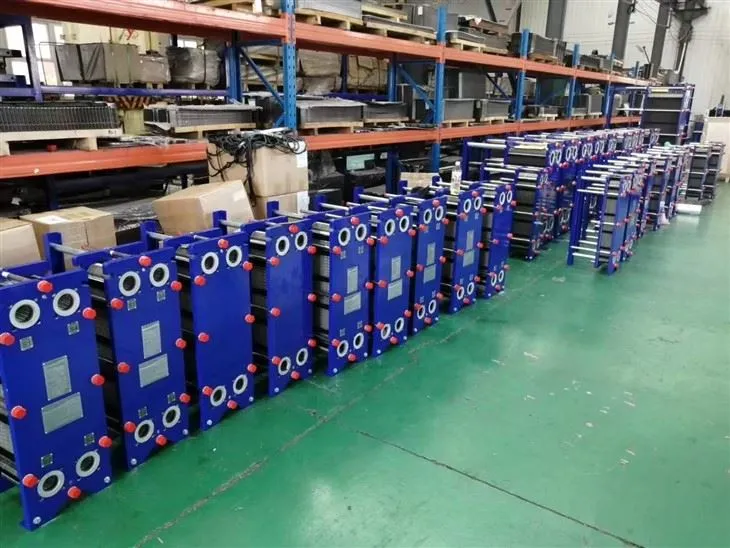
If you're interested in other types of heat exchangers, we also offer 304 Plate Heat Exchanger, 316 Plate Heat Exchanger, and Plate Type Heat Exchanger. These heat exchangers have their own unique features and advantages, and they might be a better fit for your specific needs.
Contact for Purchase
If you're looking to buy a tubular heat exchanger or any of our other products, don't hesitate to reach out. We're always ready to assist you with your purchase and answer any questions you might have. We can provide you with detailed product information, pricing, and shipping details. Just let us know what you need, and we'll do our best to meet your requirements.
References
- Heat Exchanger Handbook, by some well - known author in the industry (This is a placeholder, in a real - world scenario, you'd use a proper published reference).
- Manufacturer's Installation Manual for Tubular Heat Exchangers.