

Hey there! As a supplier of Spiral Tube Heat Exchangers, I've seen firsthand how crucial it is to optimize their performance. These heat exchangers are super useful in a bunch of industries, from chemical processing to food and beverage. So, let's dig into how you can get the most out of your spiral tube heat exchanger.
Understanding the Basics
First off, let's quickly go over what a spiral tube heat exchanger is. It's a type of heat exchanger where the tubes are arranged in a spiral pattern. This design allows for a compact size while providing a large surface area for heat transfer. The spiral shape also promotes turbulent flow, which can enhance heat transfer efficiency.
1. Proper Sizing
One of the most important steps in optimizing performance is getting the sizing right. You need to consider factors like the flow rates of the hot and cold fluids, the temperature difference between them, and the required heat transfer rate. If the heat exchanger is too small, it won't be able to handle the load, and you'll end up with poor performance. On the other hand, if it's too large, you'll be wasting money on unnecessary equipment.
To determine the right size, you can use some calculations based on the specific requirements of your application. There are also software tools available that can help with this process. For example, you can input the flow rates, temperatures, and other parameters, and the software will give you an estimate of the required heat exchanger size.
2. Fluid Selection
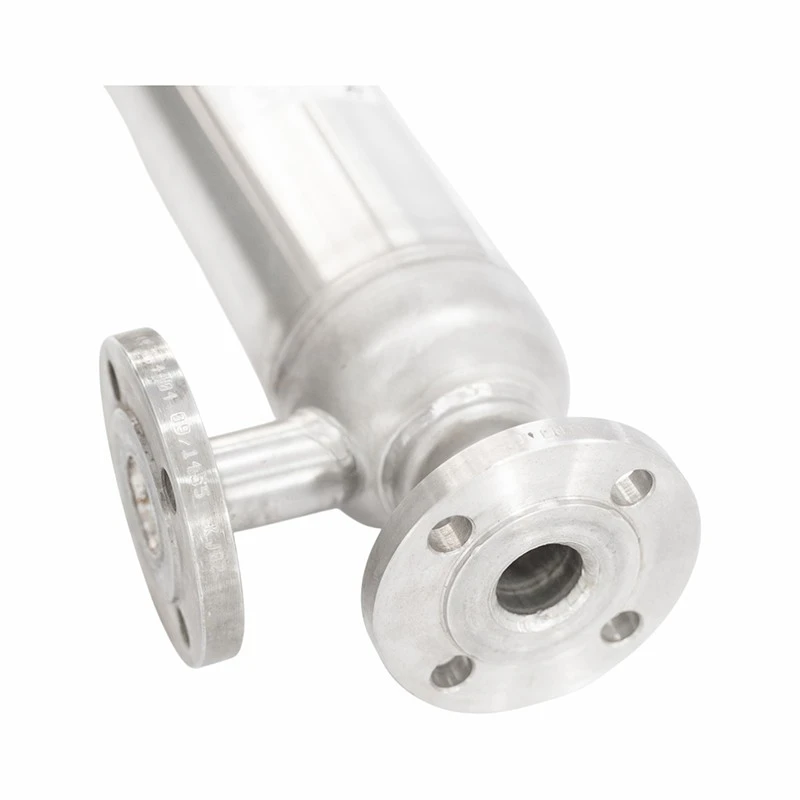
The choice of fluids used in the heat exchanger can have a big impact on its performance. You need to make sure that the fluids are compatible with the materials of the heat exchanger. For instance, if you're using a titanium tube heat exchanger like our Titanium Tubular Shell and Tube Heat Exchanger, you need to ensure that the fluids won't cause corrosion or other forms of damage.
In addition, the properties of the fluids, such as their viscosity and thermal conductivity, can affect heat transfer. Fluids with higher thermal conductivity will transfer heat more efficiently. You may also need to consider the pressure drop across the heat exchanger, as this can impact the overall energy consumption of the system.

3. Maintenance
Regular maintenance is key to keeping your spiral tube heat exchanger running at its best. Over time, deposits can build up on the tubes, which can reduce the heat transfer efficiency. These deposits can be caused by things like dirt, scale, or biological growth.
To prevent this, you should implement a cleaning schedule. There are different methods for cleaning, depending on the type of deposits. For example, chemical cleaning can be used to remove scale, while mechanical cleaning may be necessary for more stubborn deposits.
You also need to check for any leaks or damage to the tubes and other components. A leak can not only reduce the performance of the heat exchanger but also lead to safety issues. Make sure to inspect the gaskets, seals, and connections regularly and replace them if necessary.
4. Flow Control
Proper flow control is essential for optimizing the performance of a spiral tube heat exchanger. You need to ensure that the flow rates of the hot and cold fluids are balanced. If the flow rate of one fluid is too high or too low compared to the other, it can affect the heat transfer efficiency.
There are different ways to control the flow, such as using valves or pumps. You can adjust the flow rates based on the temperature requirements of your process. For example, if the temperature of the output fluid is too high, you can increase the flow rate of the cold fluid to bring it down.
5. Design Optimization
The design of the spiral tube heat exchanger itself can be optimized for better performance. For example, the pitch of the spiral tubes can be adjusted to improve the flow characteristics and heat transfer. A smaller pitch can increase the surface area for heat transfer, but it may also increase the pressure drop.
The number of tube passes can also be optimized. More tube passes can increase the heat transfer efficiency, but it may also require more pumping power. You need to find the right balance based on your specific application.
6. Insulation
Insulating the heat exchanger can help reduce heat loss to the surroundings. This is especially important if the heat exchanger is operating at high temperatures. By reducing heat loss, you can improve the overall energy efficiency of the system.
There are different types of insulation materials available, such as fiberglass or foam. You need to choose the right material based on the temperature range and other requirements of your application. Make sure to properly install the insulation to ensure maximum effectiveness.
7. Monitoring and Control
Implementing a monitoring and control system can help you keep track of the performance of your spiral tube heat exchanger. You can measure parameters like temperature, pressure, and flow rate and use this data to make adjustments as needed.
For example, if you notice that the temperature difference between the hot and cold fluids is decreasing over time, it could indicate a problem with the heat transfer efficiency. You can then take steps to address the issue, such as cleaning the tubes or adjusting the flow rates.
Contact for Purchase and Consultation
If you're looking to optimize the performance of your spiral tube heat exchanger or are in the market for a new one, we're here to help. Our team of experts has years of experience in the industry and can provide you with the best solutions for your specific needs. Whether you need a Shell and Tube Heat Exchanger or a Shell and Tube Heat Exchanger for Food Industry, we've got you covered. Don't hesitate to reach out to us for more information and to start a purchase negotiation.
References
- Incropera, F. P., & DeWitt, D. P. (2002). Fundamentals of Heat and Mass Transfer. John Wiley & Sons.
- Shah, R. K., & Sekulic, D. P. (2003). Fundamentals of Heat Exchanger Design. John Wiley & Sons.