

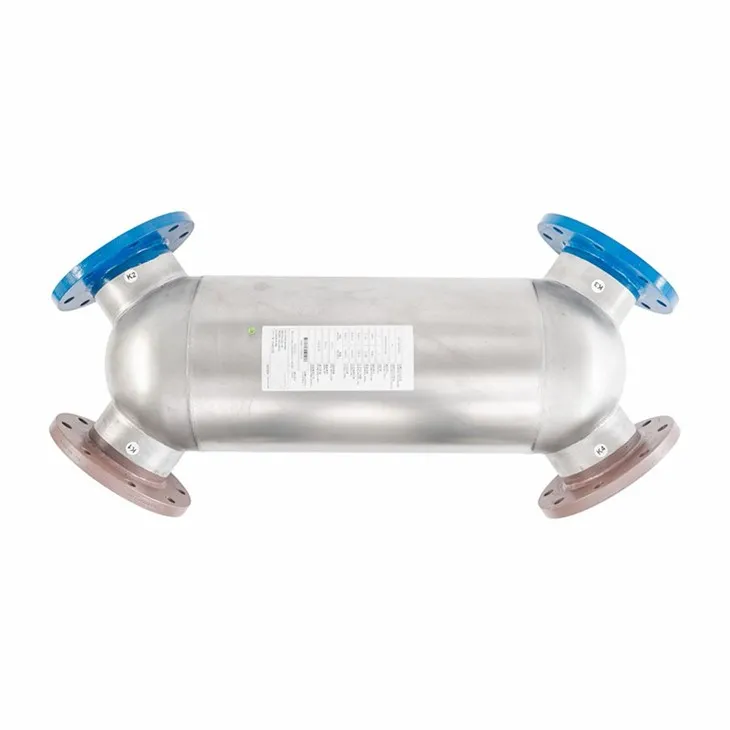
A sterile heat exchanger is a crucial piece of equipment designed to transfer heat between two or more fluids while maintaining a sterile environment. This type of heat exchanger is widely used in various industries where hygiene and product integrity are of utmost importance. As a leading sterile heat exchanger supplier, we understand the diverse applications of these devices and are committed to providing high - quality solutions to meet the specific needs of our customers.
1. Food and Beverage Industry
In the food and beverage industry, maintaining product quality and safety is a top priority. Sterile heat exchangers play a vital role in several processes.
Pasteurization
Pasteurization is a process used to kill harmful microorganisms in food and beverages without significantly altering their taste, texture, or nutritional value. Sterile heat exchangers are used to heat the product to a specific temperature for a set period and then rapidly cool it down. For example, in the dairy industry, milk is pasteurized using a plate - type heat exchanger. The Plate Type Heat Exchanger allows for efficient heat transfer, ensuring that the milk reaches the required pasteurization temperature quickly and uniformly. This process helps to extend the shelf - life of milk and other dairy products while maintaining their quality.
UHT (Ultra - High - Temperature) Processing
UHT processing is a more intense form of heat treatment where the product is heated to a very high temperature (usually above 135°C) for a short period, typically a few seconds. This process can produce shelf - stable products without the need for refrigeration until the package is opened. Sterile heat exchangers are essential in UHT processing as they can handle the high temperatures and rapid heating and cooling cycles required. In the production of fruit juices, UHT processing using a sterile heat exchanger can preserve the natural flavor and nutrients of the juice while eliminating harmful bacteria and enzymes.
Cooling of Fermented Products
In the brewing and winemaking industries, after fermentation, the product needs to be cooled rapidly to stop the fermentation process and preserve the flavor and quality of the final product. Sterile heat exchangers are used to cool the fermented beer or wine to the appropriate storage temperature. This helps to prevent the growth of unwanted microorganisms and maintain the desired taste and aroma of the beverage.

2. Pharmaceutical Industry
The pharmaceutical industry has strict requirements for product sterility and quality control. Sterile heat exchangers are used in multiple stages of pharmaceutical manufacturing.
Sterile Filtration and Cooling
During the production of injectable drugs and vaccines, the product often needs to be filtered and cooled under sterile conditions. Sterile heat exchangers can be integrated into the filtration system to cool the product after filtration, preventing thermal degradation and maintaining the stability of the active ingredients. For example, in the production of monoclonal antibodies, a Titanium Shell and Tube Heat Exchanger can be used due to its excellent corrosion resistance and ability to handle high - purity fluids. The titanium construction ensures that there is no contamination of the product, which is crucial for pharmaceutical applications.
Steam Generation and Condensation
Steam is widely used in the pharmaceutical industry for sterilization of equipment and facilities. Sterile heat exchangers are used in steam generation systems to transfer heat from a heating medium (such as hot water or a high - temperature fluid) to water to produce steam. After the steam has been used for sterilization, a Condenser is used to convert the steam back into water. The condenser is a type of heat exchanger that removes the latent heat from the steam, allowing it to condense. This closed - loop system helps to conserve energy and maintain a sterile environment.
Temperature Control in Bioreactors
Bioreactors are used for the cultivation of cells and microorganisms in the production of biopharmaceuticals. Maintaining the optimal temperature inside the bioreactor is essential for the growth and productivity of the cells. Sterile heat exchangers can be used to control the temperature of the culture medium by either heating or cooling it as required. This precise temperature control helps to ensure the consistent quality and yield of the biopharmaceutical products.
3. Biotechnology Industry
The biotechnology industry focuses on the development and production of biological products using living organisms or their components. Sterile heat exchangers are integral to many biotechnological processes.
Enzyme Production
Enzymes are widely used in various industries, including food, pharmaceuticals, and detergents. In the production of enzymes, microorganisms are cultured in bioreactors under specific temperature and environmental conditions. Sterile heat exchangers are used to control the temperature of the culture medium, providing an optimal growth environment for the microorganisms. This helps to maximize the enzyme production and ensure the quality of the final product.
Protein Purification
Protein purification is a critical step in the production of biopharmaceuticals and other biotechnology products. During the purification process, the protein solution often needs to be heated or cooled to different temperatures for various separation and purification steps. Sterile heat exchangers can be used to precisely control the temperature of the protein solution, preventing denaturation of the proteins and improving the efficiency of the purification process.
4. Cosmetics Industry
The cosmetics industry also benefits from the use of sterile heat exchangers.
Emulsion Production
Many cosmetic products, such as creams, lotions, and makeup, are emulsions, which are mixtures of oil and water phases. The production of stable emulsions requires careful temperature control during the mixing process. Sterile heat exchangers can be used to heat or cool the oil and water phases to the appropriate temperatures before mixing. This helps to ensure the proper formation of the emulsion and improves the stability and quality of the cosmetic product.
Sterilization of Raw Materials
Some raw materials used in cosmetics, such as plant extracts and essential oils, may contain microorganisms. Sterile heat exchangers can be used to sterilize these raw materials by heating them to a high enough temperature to kill the bacteria and fungi without significantly affecting their chemical properties. This helps to ensure the safety and quality of the final cosmetic products.
5. Water Treatment Industry
In the water treatment industry, sterile heat exchangers are used in specific applications to ensure the quality of the treated water.
Desalination
Desalination is the process of removing salt and other impurities from seawater or brackish water to produce freshwater. In some desalination processes, such as multi - effect distillation (MED), heat exchangers are used to transfer heat from the steam to the seawater, causing it to evaporate. The vapor is then condensed to produce freshwater. Sterile heat exchangers can be used in these processes to prevent the growth of microorganisms in the heat transfer system, which could otherwise reduce the efficiency of the desalination process and contaminate the treated water.
Wastewater Treatment
In some advanced wastewater treatment processes, heat exchangers can be used to recover heat from the treated wastewater. This recovered heat can be used to pre - heat the incoming wastewater or for other energy - intensive processes in the treatment plant. Sterile heat exchangers are preferred in these applications to prevent the spread of pathogens and ensure the safety of the treatment process.
As a reliable sterile heat exchanger supplier, we offer a wide range of high - performance heat exchangers that are designed to meet the specific requirements of different industries. Our products are made from high - quality materials, ensuring durability, corrosion resistance, and excellent heat transfer efficiency. If you are looking for a sterile heat exchanger solution for your business, we invite you to contact us for a detailed discussion. Our team of experts will work closely with you to understand your needs and provide the most suitable heat exchanger system for your application.
References
- ASHRAE Handbook of HVAC Systems and Equipment.
- Pharmaceutical Engineering: A Complete Guide to Design, Construction, and Operation.
- Food Process Engineering and Technology, Second Edition.
- Biotechnology: An Introduction, Fourth Edition.
- Cosmetic Science and Technology, Third Edition.
- Water Treatment Handbook, Second Edition.