

When it comes to industrial equipment, carbon steel heat exchangers are a staple in many sectors due to their durability, efficiency, and cost - effectiveness. As a trusted supplier of carbon steel heat exchangers, we understand the importance of not only providing high - quality products but also ensuring that our clients use them safely. Here are the top safety precautions to consider when using a carbon steel heat exchanger.
1. Pre - installation Safety Checks
Before installation, a thorough inspection of the carbon steel heat exchanger is crucial. This includes examining the physical condition of the unit, checking for any visible signs of damage such as dents, cracks, or corrosion on the tubes and the shell. Any pre - existing damage can lead to leaks during operation, which can be dangerous, especially if the heat exchanger is handling hazardous substances.
Verify the specifications of the heat exchanger against the requirements of your application. Ensure that the pressure and temperature ratings match or exceed the maximum expected values in your system. A mismatch can cause the heat exchanger to fail under pressure, leading to system breakdown and potentially causing harm to personnel and the environment.
2. Proper Installation
Correct installation is paramount for the safe and efficient operation of a carbon steel heat exchanger. Hire a qualified technician or engineer with experience in installing heat exchangers. They will follow the manufacturer's installation instructions to the letter, ensuring that the unit is properly aligned, secured, and connected to the piping system.
Pay close attention to the piping connections. Incorrectly installed pipes can cause uneven stress on the heat exchanger, leading to leaks or structural damage over time. Use appropriate gaskets and fasteners to ensure a tight and secure connection. Also, make sure that the piping system is properly supported to prevent movement that could damage the heat exchanger.
3. Operating Conditions
Adhere strictly to the recommended operating conditions of the carbon steel heat exchanger. This includes maintaining the correct flow rates of the hot and cold fluids. If the flow rates are too high, it can cause excessive pressure drop and erosion of the tubes. On the other hand, if the flow rates are too low, it can lead to insufficient heat transfer and the formation of deposits inside the tubes.
Monitor the temperature and pressure levels constantly during operation. Install appropriate sensors and control systems to ensure that these parameters stay within the safe range. If the temperature or pressure exceeds the rated values, it can cause the carbon steel to deform or even rupture, leading to serious safety hazards.

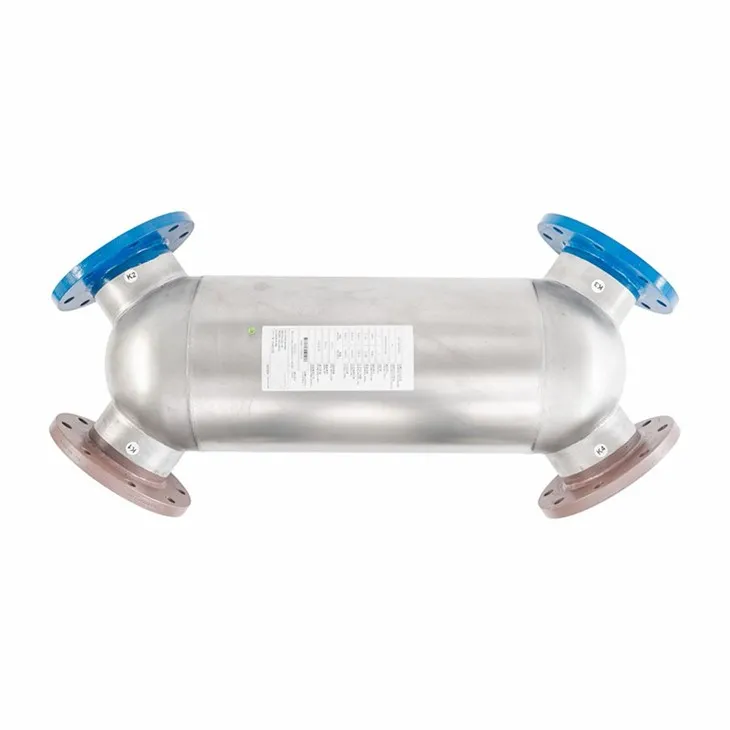
4. Fluid Compatibility
Ensure that the fluids used in the heat exchanger are compatible with carbon steel. Some chemicals can react with carbon steel, causing corrosion. Corrosion weakens the structure of the heat exchanger and can lead to leaks. Before using a heat exchanger with a new fluid, consult the material compatibility chart or conduct a small - scale compatibility test.
If the fluid is corrosive, consider using additional protective measures such as coatings or linings. These can help to prevent direct contact between the fluid and the carbon steel, extending the lifespan of the heat exchanger and reducing the risk of leaks.
5. Maintenance and Inspection
Regular maintenance and inspection are essential for the long - term safety and performance of a carbon steel heat exchanger. Establish a maintenance schedule that includes tasks such as cleaning the tubes and shell, checking the gaskets for wear and tear, and inspecting the overall structure for signs of corrosion or damage.
During maintenance, follow the proper safety procedures. This may include shutting down the system, isolating the heat exchanger from the fluid source, and releasing any residual pressure. Use appropriate personal protective equipment (PPE) such as gloves, goggles, and safety shoes when working on the heat exchanger.
6. Emergency Procedures
Develop and implement a comprehensive emergency procedure in case of a heat exchanger failure. This should include steps for shutting down the system safely, containing any leaks, and evacuating the area if necessary. Train all personnel who work with the heat exchanger on these emergency procedures.
Keep emergency equipment such as fire extinguishers, spill kits, and first - aid kits readily available near the heat exchanger. Regularly check and maintain this equipment to ensure that it is in working condition.
7. Safety Devices
Install appropriate safety devices on the carbon steel heat exchanger. Pressure relief valves are essential to prevent over - pressurization. These valves will automatically release pressure if it exceeds the safe limit, protecting the heat exchanger from damage.
Temperature sensors and alarms can also be installed to alert operators if the temperature goes out of the safe range. This allows them to take corrective action before a serious problem occurs.
8. Training
All personnel involved in the operation, maintenance, and repair of the carbon steel heat exchanger should receive proper training. The training should cover the basic principles of heat exchanger operation, safety precautions, emergency procedures, and maintenance techniques.
Regular refresher courses should be provided to keep the employees updated on the latest safety practices and any changes in the equipment or operating conditions.
As a carbon steel heat exchanger supplier, we are committed to ensuring that our products are used safely. We offer a wide range of heat exchangers, including the Double Tubesheet Heat Exchanger for Pharmaceutical Industry, the Condenser, and the 304 Plate Heat Exchanger. If you are in the market for a high - quality heat exchanger or have any questions about safety precautions, we encourage you to contact us for procurement discussions. Our team of experts is ready to assist you in finding the best solution for your needs.
References
- "Handbook of Heat Exchanger Design" by R. K. Shah and D. P. Sekulic.
- ASME Boiler and Pressure Vessel Code, which provides standards for the design, fabrication, and inspection of heat exchangers.
- Manufacturer's manuals and technical specifications for carbon steel heat exchangers.