

Hey there! As a supplier of Carbon Steel Heat Exchangers, I often get asked about the maximum temperature these bad boys can withstand. So, I thought I'd dive deep into this topic and share everything I know with you.
First off, let's talk a bit about carbon steel itself. Carbon steel is an alloy made up mainly of iron and carbon, with small amounts of other elements. It's a popular choice for heat exchangers because it's strong, relatively inexpensive, and has decent heat transfer properties. But when it comes to high temperatures, there are some factors we need to consider.
Factors Affecting the Maximum Temperature
1. Carbon Content
The amount of carbon in the steel plays a big role. Generally, as the carbon content increases, the strength of the steel goes up, but its ductility and weldability can decrease. Higher carbon steels can handle higher temperatures to a certain extent, but they're also more prone to brittleness at elevated temperatures. For example, low - carbon steels (less than 0.3% carbon) are more ductile and are often used in applications where formability is important, but they may not be the best for extremely high - temperature environments. Medium - carbon steels (0.3% - 0.6% carbon) offer a good balance of strength and ductility, and can withstand moderately high temperatures. High - carbon steels (more than 0.6% carbon) are very strong but can become brittle when heated.
2. Alloying Elements
Apart from carbon, other alloying elements like manganese, silicon, and sometimes chromium and nickel can be added to carbon steel to improve its properties. For instance, adding a small amount of chromium can enhance the steel's resistance to oxidation and corrosion at high temperatures. This is crucial because oxidation can weaken the steel over time, reducing its ability to withstand high - temperature stress.
3. Microstructure
The microstructure of the carbon steel is also key. When the steel is heated, its microstructure can change. For example, at high temperatures, the steel may undergo phase transformations. If the steel is cooled too quickly after being heated, it can form a hard and brittle microstructure, which is not ideal for long - term use in a heat exchanger. So, proper heat treatment is essential to ensure the steel has the right microstructure to handle high temperatures.
Typical Maximum Temperatures
In general, carbon steel heat exchangers can typically withstand temperatures in the range of 400°C - 600°C (752°F - 1112°F). However, this can vary depending on the specific type of carbon steel and the design of the heat exchanger.
For light - duty carbon steel heat exchangers used in less demanding applications, such as in some small - scale industrial processes or domestic heating systems, the maximum temperature might be around 400°C. These heat exchangers are usually made of low - carbon steel and are designed for relatively mild operating conditions.
On the other hand, heavy - duty carbon steel heat exchangers used in large - scale industrial processes like power generation or chemical manufacturing can handle temperatures closer to 600°C. These heat exchangers are often made of medium - or high - carbon steels with appropriate alloying elements and are carefully heat - treated to ensure they can withstand the high - temperature stress.
Impact of High Temperatures on Carbon Steel Heat Exchangers
1. Oxidation
As mentioned earlier, oxidation is a major issue at high temperatures. When carbon steel is exposed to oxygen at elevated temperatures, it forms iron oxide (rust). This oxide layer can flake off over time, exposing fresh steel to further oxidation. Oxidation not only weakens the steel but can also clog the heat exchanger channels, reducing its efficiency.
2. Creep
Creep is another problem. Creep is the slow, permanent deformation of a material under a constant load at high temperatures. In a heat exchanger, the pressure inside the tubes and the external forces acting on the exchanger can cause creep. Over time, this can lead to tube failure, leaks, and a decrease in the overall performance of the heat exchanger.
3. Thermal Expansion
Carbon steel expands when heated. If the heat exchanger is not designed to accommodate this thermal expansion properly, it can lead to mechanical stress, which can cause cracks and leaks. That's why proper design, including the use of expansion joints, is crucial for heat exchangers operating at high temperatures.
Types of Carbon Steel Heat Exchangers and Their Temperature Limits
Plate Heat Exchanger
A Plate Heat Exchanger is a popular type of heat exchanger. These exchangers are made up of a series of thin plates that are stacked together. The plates provide a large surface area for heat transfer. In general, a carbon steel plate heat exchanger can handle temperatures up to around 500°C. However, the gaskets used to seal the plates can be a limiting factor. Most standard gaskets have a lower temperature limit, so special high - temperature gaskets may need to be used if the heat exchanger is going to operate at higher temperatures.
Spiral Wound Tube Heat Exchanger
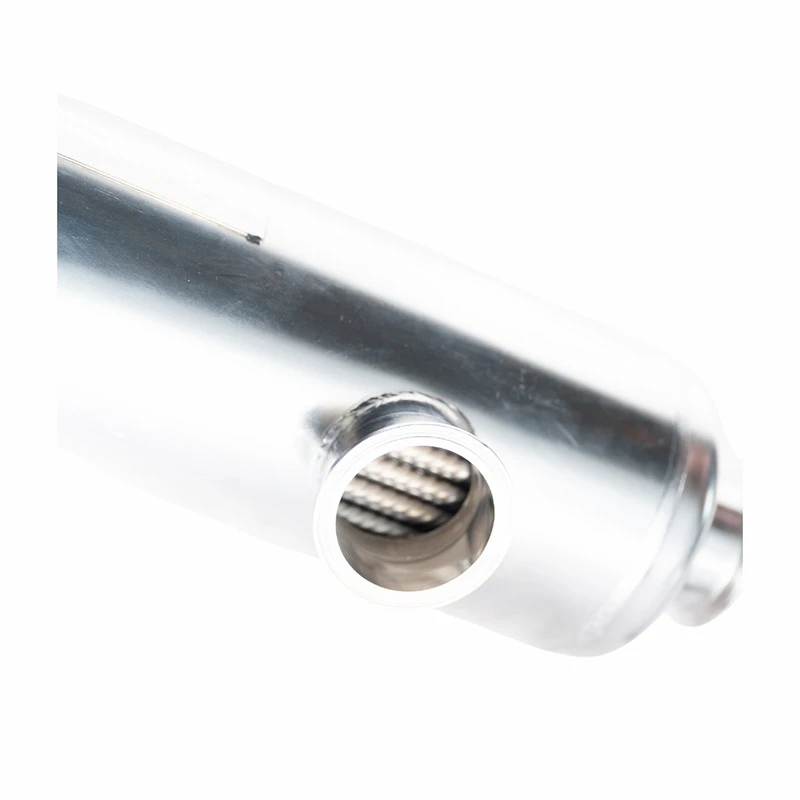
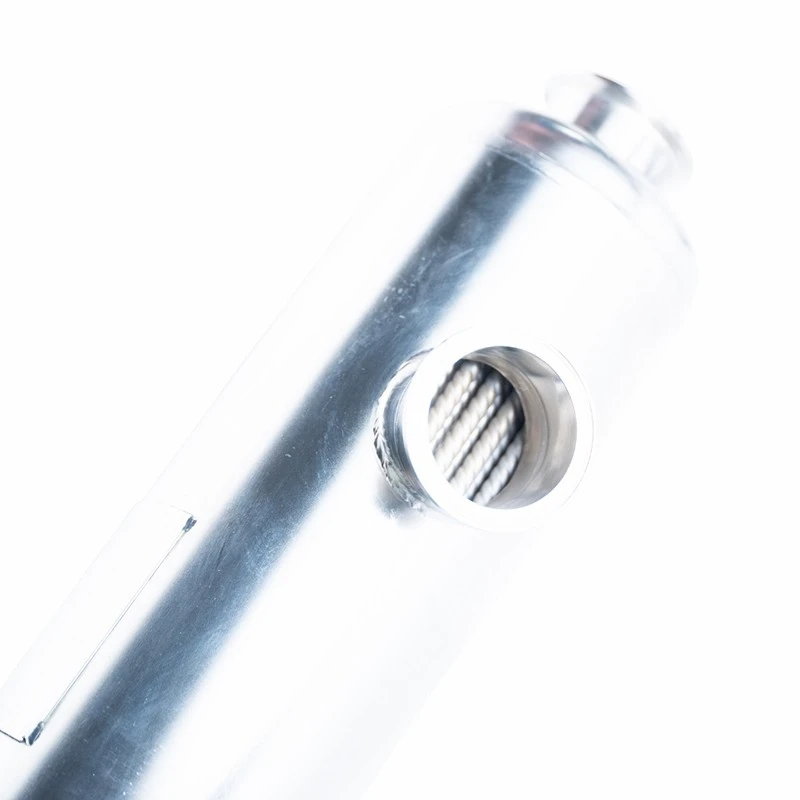
The Spiral Wound Tube Heat Exchanger consists of a spiral - wound tube bundle. This design provides a compact and efficient heat transfer solution. Carbon steel spiral wound tube heat exchangers can typically withstand temperatures up to 550°C. The spiral design helps to manage thermal expansion better compared to some other types of heat exchangers, but they still need to be carefully designed to handle the high - temperature stress.
316 Tubular Shell and Tube Heat Exchanger
The 316 Tubular Shell and Tube Heat Exchanger is made of 316 stainless steel, which is a type of carbon steel with added chromium, nickel, and molybdenum. These alloying elements give it better corrosion resistance and higher temperature tolerance. A 316 tubular shell and tube heat exchanger can handle temperatures up to around 600°C. The shell - and - tube design allows for a large heat transfer area and can be more robust in high - temperature and high - pressure applications.
Conclusion
So, in summary, the maximum temperature a carbon steel heat exchanger can withstand depends on several factors, including the carbon content, alloying elements, microstructure, and the type of heat exchanger. While typical carbon steel heat exchangers can handle temperatures in the range of 400°C - 600°C, it's important to consider the specific application and design the heat exchanger accordingly to ensure its long - term performance and reliability.
If you're in the market for a carbon steel heat exchanger and need one that can handle high temperatures, don't hesitate to reach out. We have a wide range of heat exchangers to suit different applications and temperature requirements. Our team of experts can help you choose the right heat exchanger for your needs and ensure it's properly designed and installed. Let's have a chat and see how we can help you with your heat exchange needs!
References
- ASM Handbook Volume 1: Properties and Selection: Irons, Steels, and High - Performance Alloys
- Perry's Chemical Engineers' Handbook