

Hey there! As a supplier of 304 Plate Heat Exchangers, I often get asked if these bad boys can be disassembled for inspection. Well, the short answer is yes, but there's a bit more to it than that. In this blog, I'll break it all down for you and give you the lowdown on everything you need to know about disassembling a 304 plate heat exchanger for inspection.
First off, let's talk about why you might want to disassemble a 304 plate heat exchanger in the first place. There are a few reasons. One of the main ones is to check for any signs of wear and tear. Over time, the plates in the heat exchanger can get damaged, corroded, or clogged with debris. By taking it apart, you can have a good look at each plate and see if there are any issues that need to be addressed. This can help prevent more serious problems down the line and keep your heat exchanger running smoothly.
Another reason to disassemble the heat exchanger is for cleaning. Even with regular maintenance, some buildup can still occur inside the plates. Disassembling it allows you to clean each plate thoroughly, removing any dirt, scale, or other contaminants. This can improve the efficiency of the heat exchanger, which in turn can save you money on energy costs.
Now, let's get into the process of disassembling a 304 plate heat exchanger. It's important to note that this is not a job for the faint of heart. You need to have some technical knowledge and the right tools to do it safely and correctly.
The first step is to shut down the system and isolate the heat exchanger. This means turning off the pumps, valves, and any other equipment that is connected to it. You also need to make sure that the pressure inside the heat exchanger has been released. This is crucial for your safety, as working on a pressurized system can be extremely dangerous.
Once the system is shut down and depressurized, you can start removing the bolts that hold the heat exchanger together. There are usually a lot of these bolts, so it can take some time. Make sure you keep track of where each bolt goes, as you'll need to put them back in the same place when you reassemble the heat exchanger.
After removing the bolts, you can carefully separate the frame plates. This exposes the individual plates inside the heat exchanger. You need to be very gentle when handling the plates, as they are made of thin metal and can be easily damaged.
As you remove each plate, you can inspect it for any signs of damage. Look for cracks, holes, or signs of corrosion. If you find any issues, you'll need to decide whether to repair or replace the plate.
Once you've inspected all the plates, you can clean them. You can use a variety of cleaning agents, depending on the type of buildup. Some common cleaning agents include mild detergents, acids, or specialized heat exchanger cleaning solutions. Make sure you follow the manufacturer's instructions when using these cleaning agents to avoid damaging the plates.
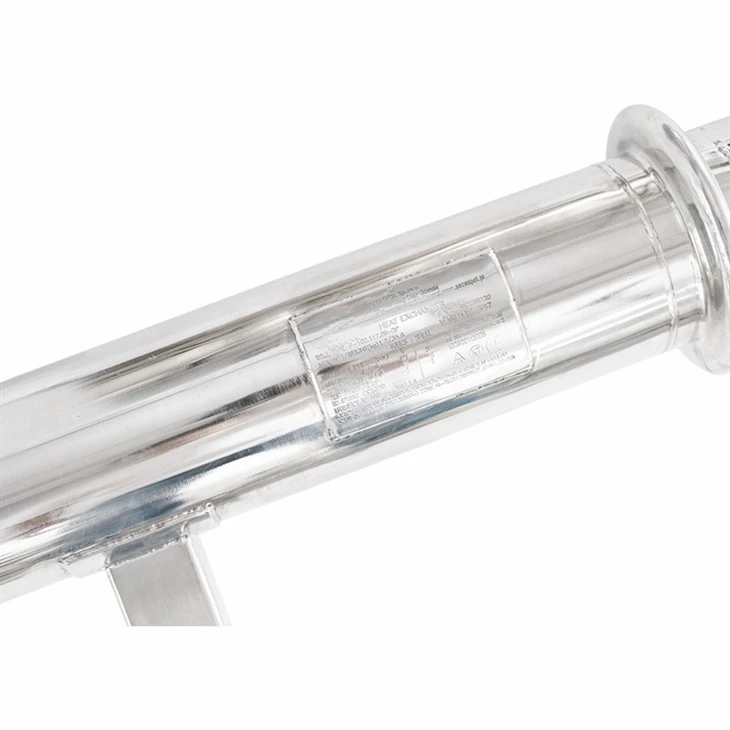

After cleaning the plates, you can reassemble the heat exchanger. This is basically the reverse of the disassembly process. You need to carefully align the plates and put the frame plates back together. Then, you can tighten the bolts, making sure they are tightened evenly to avoid any leaks.
It's also important to note that there are some limitations to disassembling a 304 plate heat exchanger. For example, if the heat exchanger is welded or brazed, disassembling it might not be possible without causing damage. In these cases, you might need to rely on other inspection methods, such as non - destructive testing.
Now, if you're in the market for a 304 Plate Heat Exchanger, we've got you covered. We offer a wide range of high - quality heat exchangers, including Plate Type Heat Exchanger, Sterile Heat Exchanger, and Double Tubesheet Heat Exchanger for Medical Industry. Our products are designed to be durable, efficient, and easy to maintain.
If you have any questions about our products or the process of disassembling a 304 plate heat exchanger, don't hesitate to reach out. We're here to help you make the best choice for your needs. Whether you're a small business or a large industrial operation, we can provide you with the right heat exchanger solution.
In conclusion, a 304 plate heat exchanger can definitely be disassembled for inspection. It's a process that requires some effort and technical know - how, but it can be very beneficial in terms of maintaining the performance and longevity of your heat exchanger. So, if you think your heat exchanger could use a good inspection or cleaning, don't be afraid to take it apart. And if you're in the market for a new heat exchanger, we'd love to talk to you about our products.
References:
- General knowledge of heat exchanger maintenance and operation from industry experience.
- Manufacturer's manuals for 304 plate heat exchangers.