

Can a Condensing Heat Exchanger be Used in a Pharmaceutical Manufacturing Plant?
In the highly regulated and precise world of pharmaceutical manufacturing, every piece of equipment plays a crucial role in ensuring product quality, safety, and compliance. One such piece of equipment that has gained significant attention is the condensing heat exchanger. As a leading supplier of condensing heat exchangers, I am often asked whether these devices can be effectively used in pharmaceutical manufacturing plants. In this blog post, I will explore the feasibility, benefits, and considerations of using condensing heat exchangers in the pharmaceutical industry.
Understanding Condensing Heat Exchangers
Before delving into their applicability in pharmaceutical manufacturing, it's essential to understand what condensing heat exchangers are. A condensing heat exchanger is a device that transfers heat from a vapor to a liquid state by removing the latent heat of vaporization. This process is crucial in many industrial applications, including power generation, refrigeration, and chemical processing.
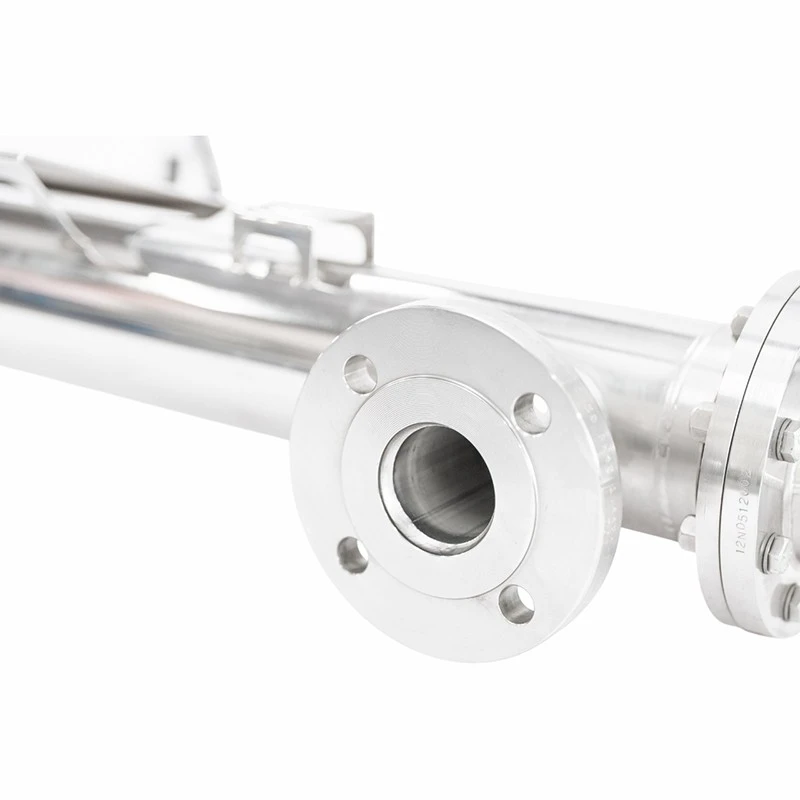
There are several types of condensing heat exchangers, each with its own unique design and operating principles. Some of the most common types include shell and tube heat exchangers, plate heat exchangers, and finned tube heat exchangers. These exchangers can be made from a variety of materials, such as stainless steel, titanium, and copper, depending on the specific application requirements.
Feasibility in Pharmaceutical Manufacturing
The pharmaceutical industry has stringent requirements for product quality, purity, and safety. Therefore, any equipment used in the manufacturing process must meet these standards. Condensing heat exchangers can be used in pharmaceutical manufacturing plants for several applications, including:

- Solvent Recovery: In many pharmaceutical processes, solvents are used to dissolve, extract, or purify active pharmaceutical ingredients (APIs). After the process is complete, these solvents need to be recovered and reused to reduce costs and minimize environmental impact. Condensing heat exchangers can be used to condense the solvent vapors, allowing them to be collected and recycled.
- Distillation and Purification: Distillation is a common separation technique used in pharmaceutical manufacturing to purify APIs and other chemical compounds. Condensing heat exchangers are an essential component of distillation columns, where they are used to condense the vaporized compounds and return them to the liquid phase.
- HVAC Systems: Heating, ventilation, and air conditioning (HVAC) systems are critical in pharmaceutical manufacturing plants to maintain a controlled environment for product quality and worker safety. Condensing heat exchangers can be used in HVAC systems to remove heat from the air, improving energy efficiency and reducing operating costs.
- Sterilization and Decontamination: In pharmaceutical manufacturing, equipment and facilities need to be regularly sterilized and decontaminated to prevent the growth of microorganisms and ensure product safety. Condensing heat exchangers can be used in steam sterilization processes to condense the steam after it has been used for sterilization, allowing it to be safely removed from the system.
Benefits of Using Condensing Heat Exchangers in Pharmaceutical Manufacturing
There are several benefits to using condensing heat exchangers in pharmaceutical manufacturing plants, including:

- Energy Efficiency: Condensing heat exchangers are designed to transfer heat efficiently, reducing energy consumption and operating costs. By recovering and reusing heat that would otherwise be wasted, these exchangers can significantly improve the overall energy efficiency of the manufacturing process.
- Product Quality: In the pharmaceutical industry, product quality is of utmost importance. Condensing heat exchangers can help maintain a consistent temperature and pressure in the manufacturing process, ensuring the quality and purity of the final product.
- Environmental Sustainability: By reducing energy consumption and minimizing waste, condensing heat exchangers can help pharmaceutical manufacturing plants become more environmentally sustainable. This is not only beneficial for the environment but also for the company's reputation and compliance with regulatory requirements.
- Cost Savings: In addition to energy savings, condensing heat exchangers can also help reduce maintenance costs and extend the lifespan of equipment. By preventing corrosion and fouling, these exchangers can improve the reliability and performance of the manufacturing process, reducing downtime and increasing productivity.
Considerations for Using Condensing Heat Exchangers in Pharmaceutical Manufacturing
While condensing heat exchangers offer many benefits in pharmaceutical manufacturing, there are also several considerations that need to be taken into account, including:
- Material Compatibility: The pharmaceutical industry has strict requirements for the materials used in equipment to ensure product safety and quality. When selecting a condensing heat exchanger, it's important to choose a material that is compatible with the pharmaceutical products being processed. For example, titanium is a popular choice for pharmaceutical applications due to its excellent corrosion resistance and biocompatibility. You can learn more about Titanium Spiral Wound Shell and Tube Heat Exchanger and Titanium Shell and Tube Heat Exchanger on our website.
- Cleanability and Sterilizability: To prevent contamination and ensure product safety, condensing heat exchangers need to be easily cleanable and sterilizable. The design of the exchanger should allow for thorough cleaning and disinfection, and the materials used should be resistant to corrosion and chemical attack.
- Regulatory Compliance: The pharmaceutical industry is highly regulated, and all equipment used in the manufacturing process must comply with strict regulatory requirements. When selecting a condensing heat exchanger, it's important to ensure that it meets all relevant regulations, such as Good Manufacturing Practice (GMP) and the Pharmacopeia standards.
- System Design and Integration: Condensing heat exchangers need to be properly designed and integrated into the overall manufacturing system to ensure optimal performance. This includes considering factors such as flow rates, temperature differentials, and pressure drops. It's also important to work with a experienced supplier who can provide technical support and assistance throughout the installation and commissioning process.
Conclusion
In conclusion, condensing heat exchangers can be effectively used in pharmaceutical manufacturing plants for a variety of applications, including solvent recovery, distillation, HVAC systems, and sterilization. These exchangers offer many benefits, such as energy efficiency, product quality, environmental sustainability, and cost savings. However, it's important to carefully consider the material compatibility, cleanability, regulatory compliance, and system design when selecting a condensing heat exchanger for a pharmaceutical application.

As a leading supplier of condensing heat exchangers, we have extensive experience in providing high-quality equipment for the pharmaceutical industry. Our Titanium Spiral Wound Shell and Tube Heat Exchanger and Titanium Shell and Tube Heat Exchanger are designed to meet the strict requirements of the pharmaceutical industry, offering excellent corrosion resistance, cleanability, and sterilizability. We also offer Heat Exchanger for Food Processing that can be adapted for pharmaceutical applications.
If you are interested in learning more about our condensing heat exchangers and how they can be used in your pharmaceutical manufacturing plant, please contact us to discuss your specific requirements. Our team of experts will be happy to provide you with detailed information and technical support to help you make an informed decision.
References
- Perry, R. H., & Green, D. W. (Eds.). (1997). Perry's Chemical Engineers' Handbook. McGraw-Hill.
- Coulson, J. M., & Richardson, J. F. (1999). Chemical Engineering: Volume 6 - Chemical Engineering Design. Butterworth-Heinemann.
- Pharmaceutical Engineering: An Introduction for Chemists and Chemical Engineers. American Institute of Chemical Engineers.