

Hey there! As a supplier of sanitary heat exchangers, I've seen firsthand how crucial it is to understand the factors that affect the heat transfer coefficient. It's not just about moving heat from one place to another; it's about doing it efficiently and effectively. In this blog, I'll break down the key elements that can make or break the performance of a sanitary heat exchanger.
Fluid Properties
One of the most significant factors influencing the heat transfer coefficient is the properties of the fluids involved. Let's start with thermal conductivity. Fluids with high thermal conductivity, like water, can transfer heat more easily than those with low conductivity, such as oil. This means that if you're using a fluid with good thermal conductivity in your heat exchanger, you're likely to get a higher heat transfer coefficient.
Viscosity also plays a crucial role. High - viscosity fluids tend to flow more slowly, which can create a thicker boundary layer near the heat transfer surface. A thicker boundary layer acts as an insulator, reducing the rate of heat transfer and thus lowering the heat transfer coefficient. On the other hand, low - viscosity fluids flow more freely, allowing for better contact with the heat transfer surface and a higher heat transfer coefficient.
Density is another important property. Denser fluids can carry more heat energy per unit volume. When a denser fluid flows through a heat exchanger, it can transfer more heat in a given time, potentially increasing the heat transfer coefficient. However, density also affects the flow characteristics of the fluid, so it needs to be considered in conjunction with other properties.
Flow Velocity
The velocity at which the fluids flow through the heat exchanger has a direct impact on the heat transfer coefficient. Higher flow velocities generally lead to a higher heat transfer coefficient. When the fluid moves quickly, it disrupts the boundary layer that forms on the heat transfer surface. A thinner boundary layer allows for more efficient heat transfer between the fluid and the surface.
However, there's a catch. Increasing the flow velocity also increases the pressure drop across the heat exchanger. This means you'll need more energy to pump the fluid through the system. So, it's a balancing act. You want to find the optimal flow velocity that maximizes the heat transfer coefficient while keeping the pressure drop within an acceptable range.
Heat Exchanger Design
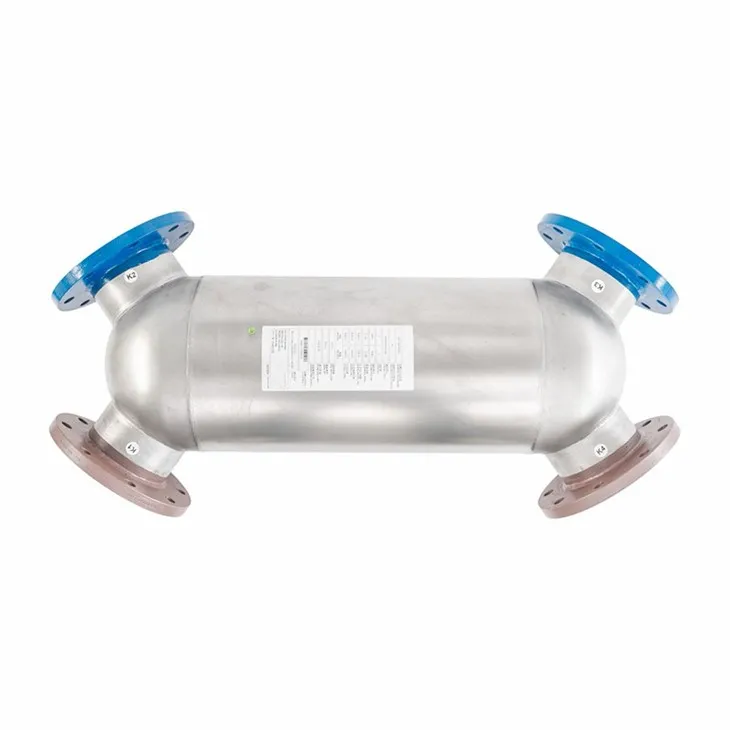
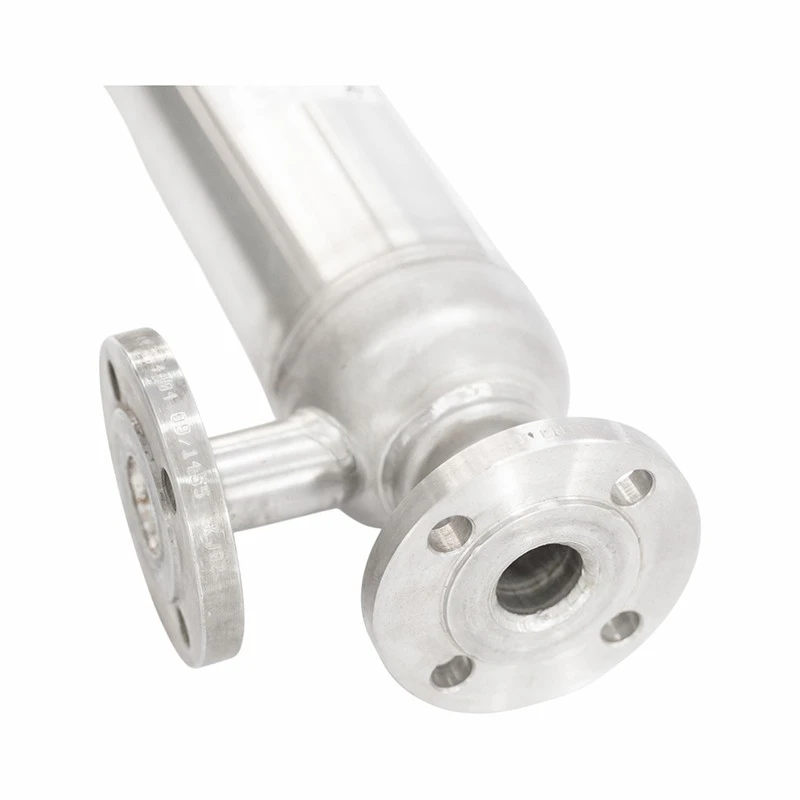
The design of the sanitary heat exchanger itself is a major factor. For example, the type of heat exchanger can significantly affect the heat transfer coefficient. Shell and Tube Heat Exchangers are a popular choice. They consist of a bundle of tubes inside a shell. The design allows for a large surface area for heat transfer, which can increase the heat transfer coefficient.
Another type is the Titanium Shell and Tube Heat Exchanger. Titanium is known for its excellent corrosion resistance and relatively high thermal conductivity. Using titanium in the construction of the heat exchanger can enhance the heat transfer performance, especially in applications where the fluids are corrosive.
The surface area of the heat transfer surface also matters. A larger surface area provides more space for heat to be transferred between the fluids. This is why heat exchangers often have fins or other surface enhancements. These features increase the effective surface area, allowing for more efficient heat transfer and a higher heat transfer coefficient.
Fouling
Fouling is a major headache in heat exchanger operation. It refers to the accumulation of unwanted deposits on the heat transfer surface. These deposits can be anything from scale and rust to biological growth. Fouling acts as an insulator, reducing the heat transfer coefficient.
The rate of fouling depends on several factors, including the quality of the fluids, the operating temperature, and the flow velocity. For example, if the fluid contains a lot of suspended solids, it's more likely to cause fouling. High operating temperatures can also promote the formation of scale.
To combat fouling, regular cleaning and maintenance are essential. There are also anti - fouling coatings and materials that can be used to reduce the likelihood of fouling. However, it's important to note that even with these measures, some degree of fouling is inevitable over time.
Temperature Difference
The temperature difference between the hot and cold fluids is a fundamental factor in heat transfer. According to Fourier's law of heat conduction, the rate of heat transfer is directly proportional to the temperature difference. A larger temperature difference between the two fluids means a higher driving force for heat transfer, which can increase the heat transfer coefficient.
However, in practical applications, there are limits to how large the temperature difference can be. For example, if the temperature difference is too large, it can cause thermal stress in the heat exchanger, leading to mechanical failure. Additionally, some fluids may have temperature limitations beyond which their properties change significantly, affecting the heat transfer process.
Material of Construction
The material used to construct the heat exchanger has a significant impact on the heat transfer coefficient. As mentioned earlier, titanium is a great choice due to its high thermal conductivity and corrosion resistance. Other materials like stainless steel are also commonly used in sanitary heat exchangers. Stainless steel offers good corrosion resistance and is relatively easy to clean, which is important in sanitary applications.
The choice of material also depends on the properties of the fluids being used. For example, if the fluid is highly corrosive, a more corrosion - resistant material like titanium or a special alloy may be required. The thickness of the material also matters. A thinner material can reduce the thermal resistance, allowing for more efficient heat transfer.
Conclusion
As you can see, there are many factors that affect the heat transfer coefficient in a sanitary heat exchanger. From fluid properties and flow velocity to heat exchanger design and fouling, each element plays a crucial role in determining the efficiency of the heat transfer process.
If you're in the market for a sanitary heat exchanger or need to optimize the performance of your existing one, understanding these factors is essential. We, as a supplier, can help you choose the right heat exchanger for your specific application and provide guidance on how to maintain its performance over time. Whether you're looking for a Shell and Tube Heat Exchanger, a Titanium Shell and Tube Heat Exchanger, or a Condenser, we've got you covered.
Don't hesitate to reach out to us for more information or to discuss your specific requirements. We're here to help you make the most of your heat transfer needs.
References
- Incropera, F. P., & DeWitt, D. P. (2002). Fundamentals of Heat and Mass Transfer. John Wiley & Sons.
- Kakac, S., & Liu, H. (2002). Heat Exchangers: Selection, Rating, and Thermal Design. CRC Press.
- Shah, R. K., & Sekulic, D. P. (2003). Fundamentals of Heat Exchanger Design. John Wiley & Sons.