

As a supplier of HVAC skids for factories, I often get asked whether our standard HVAC skids can be used in a furniture - manufacturing factory. This is a valid question, considering the unique requirements of different industrial settings. In this blog post, I'll delve into the factors to consider and explore if an HVAC skid designed for a general factory can be suitable for a furniture - manufacturing environment.
Understanding HVAC Skids for Factories
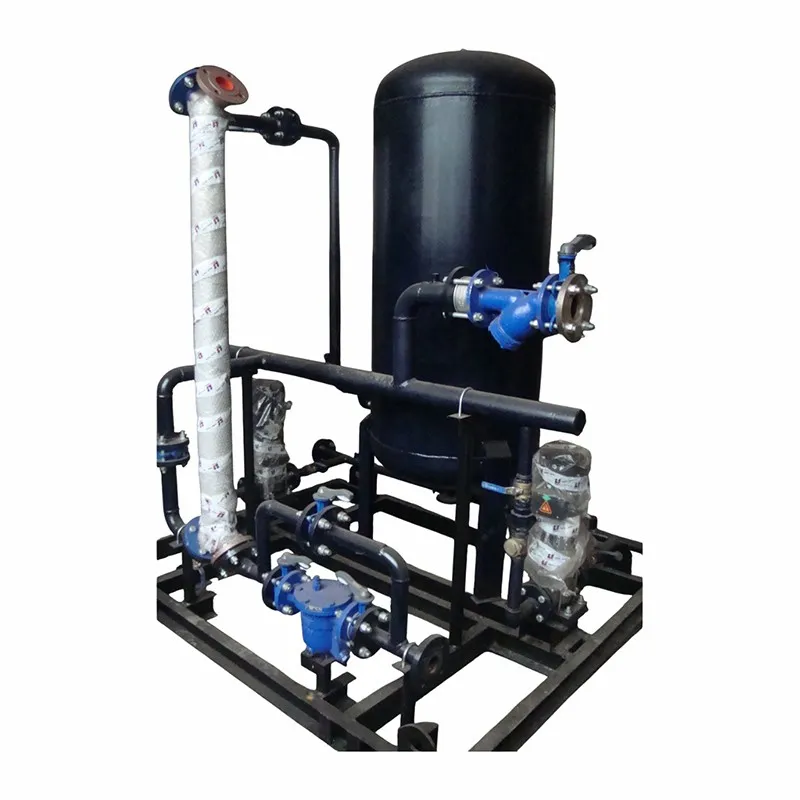
First, let's understand what an HVAC skid for a factory is. An HVAC skid is a pre - fabricated, self - contained unit that combines heating, ventilation, and air - conditioning components. These skids are designed to be easily installed in industrial facilities, providing a cost - effective and efficient solution for climate control. They are typically customized based on the size of the factory, the nature of the manufacturing process, and the local climate conditions.
The HVAC Skid for Factory is engineered to meet the general needs of industrial spaces. It can maintain a stable temperature and humidity level, which is crucial for the proper functioning of machinery and the comfort of the workers. It also helps in removing pollutants and contaminants from the air, ensuring a healthy working environment.
Unique Requirements of Furniture - Manufacturing Factories
Furniture manufacturing has its own set of unique requirements when it comes to HVAC systems.
Wood Dust and Particles
One of the most significant challenges in a furniture - manufacturing factory is the presence of wood dust. Woodworking processes such as cutting, sanding, and shaping generate large amounts of fine dust particles. These particles can pose a serious health risk to workers if inhaled, and they can also damage HVAC equipment over time. The HVAC system needs to be equipped with high - efficiency air filters to capture these particles effectively. Additionally, the ventilation system should be designed to prevent the accumulation of dust in ducts and other components.
Temperature and Humidity Control
Wood is a hygroscopic material, which means it absorbs and releases moisture depending on the surrounding environment. Fluctuations in temperature and humidity can cause wood to warp, crack, or change dimensions. This can have a significant impact on the quality of the furniture being produced. Therefore, a furniture - manufacturing factory requires precise temperature and humidity control to ensure the stability of the wood. The HVAC system should be able to maintain a consistent environment, typically with a relative humidity between 30% - 50% and a temperature around 20 - 25°C.
Fire Hazard
Wood dust is highly combustible, and in high concentrations, it can create an explosive atmosphere. The HVAC system needs to be designed with safety features to prevent the ignition of wood dust. This may include proper grounding of ducts, the use of explosion - proof fans and motors, and the installation of fire - suppression systems in the HVAC unit.

Assessing the Suitability of a General Factory HVAC Skid
Now, let's assess whether an HVAC skid designed for a general factory can be used in a furniture - manufacturing factory.
Filtration System
A standard factory HVAC skid may have basic air filters, but they may not be sufficient to handle the high volume of wood dust in a furniture - manufacturing facility. However, it is possible to upgrade the filtration system of the skid to include high - efficiency particulate air (HEPA) filters or other specialized filters designed for capturing wood dust. This would require some customization of the skid, but it can make the system more suitable for the furniture - manufacturing environment.
Temperature and Humidity Control
Most general factory HVAC skids are capable of providing basic temperature and humidity control. However, the precision required in a furniture - manufacturing factory may be higher. In some cases, additional sensors and controls can be added to the skid to achieve more accurate temperature and humidity regulation. This may involve installing a more advanced building automation system that can monitor and adjust the HVAC settings in real - time.
Safety Features
As mentioned earlier, the fire hazard associated with wood dust is a major concern in furniture - manufacturing factories. A standard factory HVAC skid may not have all the necessary safety features. However, these features can be incorporated during the customization process. For example, explosion - proof components can be added, and the ductwork can be designed to minimize the risk of dust accumulation and ignition.
Customization and Adaptation
In many cases, a general factory HVAC skid can be adapted to meet the specific needs of a furniture - manufacturing factory through customization. Here are some of the steps involved in the customization process:
Site Assessment
Before any customization can take place, a thorough site assessment of the furniture - manufacturing factory is necessary. This includes measuring the size of the facility, identifying the woodworking processes being carried out, and evaluating the existing ventilation and air - quality conditions. The assessment will help in determining the specific requirements for the HVAC system.
Design Modifications
Based on the site assessment, the design of the HVAC skid can be modified. This may involve changing the size and capacity of the unit, upgrading the filtration system, adding additional temperature and humidity sensors, and incorporating safety features. The design team will work closely with the factory management to ensure that the customized skid meets all their requirements.
Installation and Commissioning
Once the customized HVAC skid is ready, it needs to be installed and commissioned properly. The installation process should be carried out by experienced technicians who are familiar with the specific requirements of furniture - manufacturing factories. After installation, the system should be thoroughly tested to ensure that it is functioning correctly and meeting the desired performance standards.
Other Considerations
Apart from the technical aspects, there are other considerations when using an HVAC skid in a furniture - manufacturing factory.
Energy Efficiency
Furniture - manufacturing factories often operate for long hours, and the HVAC system can consume a significant amount of energy. Therefore, it is important to choose an energy - efficient HVAC skid. This can help in reducing operating costs and minimizing the environmental impact. The skid should be equipped with energy - saving features such as variable - speed drives for fans and pumps, and it should be designed to optimize the use of natural ventilation whenever possible.
Maintenance and Service
Regular maintenance is essential to keep the HVAC skid in good working condition. In a furniture - manufacturing factory, the maintenance requirements may be higher due to the presence of wood dust. The skid should be designed for easy access to components for cleaning and replacement. It is also important to have a reliable service provider who can offer prompt maintenance and repair services.
Conclusion
In conclusion, an HVAC skid designed for a general factory can be used in a furniture - manufacturing factory, but it usually requires customization to meet the unique requirements of the furniture - manufacturing environment. With proper filtration, precise temperature and humidity control, and appropriate safety features, the skid can be adapted to provide a suitable climate control solution for the factory.
If you are a furniture - manufacturing factory owner or manager looking for an HVAC skid solution, I encourage you to reach out to us. Our team of experts can conduct a detailed assessment of your facility and design a customized HVAC skid that meets your specific needs. We have experience in providing HVAC solutions for various industries, including the HVAC Skid for Food Industry and the HVAC Skid for Pharmaceutical Industry. Contact us today to start the conversation about your HVAC requirements.
References
- ASHRAE Handbook - HVAC Applications. American Society of Heating, Refrigerating and Air - Conditioning Engineers.
- Woodworking Machinery Safety Standards. National Fire Protection Association.
- Industrial Ventilation: A Manual of Recommended Practice. American Conference of Governmental Industrial Hygienists.