

Hey there! As a supplier of metal heat exchangers, I'm super stoked to chat with you about how these nifty devices can significantly boost energy efficiency. Let's dive right in!
First off, what exactly is a metal heat exchanger? Well, it's a piece of equipment that transfers heat from one fluid to another without the two fluids coming into direct contact. Metals like titanium, 304 stainless steel, and 316 stainless steel are commonly used to make these heat exchangers because they're great conductors of heat and are durable enough to withstand different operating conditions.
How Metal Heat Exchangers Work
The basic principle behind a metal heat exchanger is heat transfer. There are three main ways heat can be transferred: conduction, convection, and radiation. In a metal heat exchanger, conduction and convection play the most important roles.
Conduction occurs when heat moves through a solid material. Metals are excellent conductors of heat, which means they can quickly transfer heat from the hot fluid to the cooler fluid. The thin walls of the metal tubes or plates in the heat exchanger allow for efficient conduction.
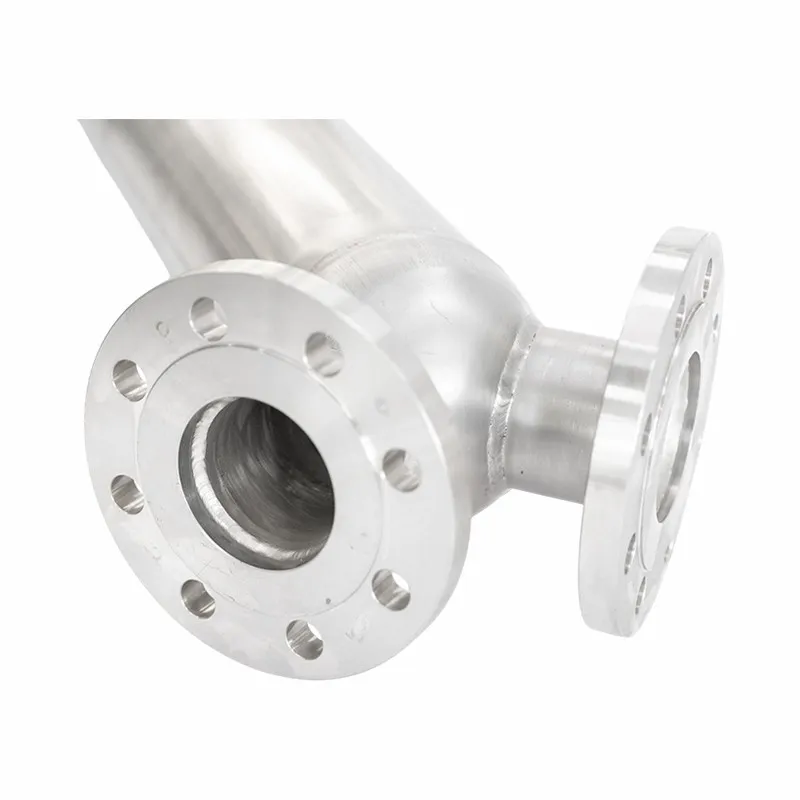

Convection, on the other hand, involves the movement of fluids. As the hot fluid flows through one side of the heat exchanger and the cold fluid flows through the other side, the heat is transferred from the hot fluid to the metal surface and then to the cold fluid. The design of the heat exchanger, such as the shape and arrangement of the tubes or plates, is optimized to enhance convection and ensure maximum heat transfer.
Improving Energy Efficiency
Now, let's get to the juicy part - how metal heat exchangers improve energy efficiency.
1. Recovering Waste Heat
One of the biggest advantages of metal heat exchangers is their ability to recover waste heat. In many industrial processes, a large amount of heat is generated as a by - product and is often wasted. A metal heat exchanger can capture this waste heat and use it to pre - heat other fluids or perform other useful tasks.
For example, in a power plant, the hot exhaust gases from the boiler can be passed through a heat exchanger to heat the incoming water. By pre - heating the water, less energy is needed to turn it into steam, which in turn reduces the amount of fuel required to generate electricity. This not only saves energy but also reduces operating costs.
2. Reducing Energy Consumption
By efficiently transferring heat, metal heat exchangers can reduce the energy required to heat or cool fluids. Instead of using a large amount of energy to directly heat or cool a fluid to the desired temperature, a heat exchanger can use the heat from another source.
Let's say you have a manufacturing process that requires heating a liquid. Instead of using a high - energy heater to heat the liquid from scratch, you can use a heat exchanger to pre - heat the liquid using the heat from a different process. This reduces the load on the heater and saves energy.
3. Precise Temperature Control
Metal heat exchangers allow for precise temperature control. They can maintain a consistent temperature difference between the hot and cold fluids, which is crucial for many industrial processes. By having precise temperature control, the process can operate more efficiently, and there is less energy wasted on over - heating or under - heating.
For instance, in a chemical reactor, maintaining a specific temperature is essential for the reaction to proceed correctly. A metal heat exchanger can ensure that the temperature of the reactants is kept within the desired range, improving the efficiency of the reaction and reducing energy consumption.
Types of Metal Heat Exchangers
There are several types of metal heat exchangers, each with its own unique features and applications.
Shell and Tube Heat Exchangers
Shell and tube heat exchangers are one of the most common types. They consist of a shell (a large outer vessel) and a bundle of tubes inside. The hot fluid flows through the tubes, and the cold fluid flows through the shell. This design provides a large surface area for heat transfer, making it very efficient.
We offer different types of shell and tube heat exchangers, such as the Titanium Shell and Tube Heat Exchanger. Titanium is highly corrosion - resistant, making it ideal for use in harsh environments where other metals might corrode quickly.
Spiral Wound Shell and Tube Heat Exchangers
Spiral wound shell and tube heat exchangers are another great option. They have a unique spiral design that provides a longer flow path for the fluids, increasing the contact time between the hot and cold fluids and enhancing heat transfer.
We have 304 Spiral Wound Shell and Tube Heat Exchanger and 316 Spiral Wound Shell and Tube Heat Exchanger available. 304 and 316 stainless steels are known for their good corrosion resistance and mechanical properties, making them suitable for a wide range of applications.
Customization and Maintenance
We understand that every customer's needs are different. That's why we offer customized metal heat exchangers. Whether you need a specific size, shape, or material, we can design and manufacture a heat exchanger that meets your exact requirements.
Maintenance is also crucial for the long - term performance and energy efficiency of metal heat exchangers. Regular cleaning and inspection can prevent fouling, which is the build - up of deposits on the heat exchanger surfaces. Fouling can reduce heat transfer efficiency and increase energy consumption. We can provide guidance on proper maintenance procedures to ensure your heat exchanger operates at its best.
Conclusion
In conclusion, metal heat exchangers are powerful tools for improving energy efficiency. Their ability to recover waste heat, reduce energy consumption, and provide precise temperature control makes them essential in many industries. Whether you're in the power generation, chemical, or food processing industry, a metal heat exchanger can help you save energy and reduce costs.
If you're interested in learning more about our metal heat exchangers or are looking to purchase one for your business, we'd love to hear from you. Feel free to reach out to us to start a discussion about your specific needs. Let's work together to make your processes more energy - efficient!
References
- Incropera, F. P., & DeWitt, D. P. (2002). Fundamentals of Heat and Mass Transfer. Wiley.
- Bergman, T. L., Lavine, A. S., Incropera, F. P., & DeWitt, D. P. (2011). Introduction to Heat Transfer. Wiley.