

Hey there! As a supplier of CIP (Clean-in-Place) Systems, I often get asked about the flow rate in a CIP System. So, let's dive right into it and break down what flow rate means in this context, why it's super important, and how it impacts the overall performance of a CIP System.
First off, what exactly is flow rate? In simple terms, flow rate refers to the volume of cleaning solution that moves through the CIP System within a specific period of time. It's usually measured in liters per minute (L/min) or gallons per minute (GPM). Think of it like the speed at which water flows through a garden hose. If the water is trickling out slowly, it might take forever to fill up a bucket. But if the flow is strong, the bucket fills up quickly. Similarly, in a CIP System, the right flow rate is crucial for efficient and effective cleaning.
Now, why is flow rate so important in a CIP System? Well, it plays a key role in several aspects of the cleaning process. For starters, a proper flow rate ensures that the cleaning solution reaches all parts of the equipment being cleaned. In a pharmaceutical or food processing plant, there are often complex pipelines, tanks, and other components that need to be thoroughly cleaned. If the flow rate is too low, the cleaning solution might not reach some areas, leaving behind residues and contaminants. On the other hand, if the flow rate is too high, it could cause excessive wear and tear on the equipment or even damage it.
Another important factor is the contact time between the cleaning solution and the surfaces being cleaned. The flow rate affects how long the solution stays in contact with the equipment. A higher flow rate generally means a shorter contact time, while a lower flow rate allows for a longer contact time. Finding the right balance is essential because different types of contaminants require different contact times to be effectively removed. For example, stubborn grease and oil might need a longer contact time with a strong cleaning solution, while lighter residues can be removed more quickly.
The flow rate also impacts the cleaning efficiency. A well - optimized flow rate can reduce the cleaning time and the amount of cleaning solution used. This not only saves time and money but also has environmental benefits. By using the right amount of cleaning solution at the right flow rate, we can minimize waste and reduce the overall environmental footprint of the cleaning process.
So, how do we determine the ideal flow rate for a CIP System? There are several factors to consider. The first is the size and design of the equipment being cleaned. Larger equipment with more complex geometries will generally require a higher flow rate to ensure complete coverage. The type of cleaning solution being used is also important. Some solutions are more viscous than others, and a higher flow rate might be needed to push them through the system effectively.
The nature of the contaminants is another crucial factor. If the contaminants are heavy and difficult to remove, a higher flow rate and a stronger cleaning solution might be required. On the other hand, if the contaminants are light, a lower flow rate and a milder solution could be sufficient.
At our company, we have a team of experts who can help you determine the optimal flow rate for your specific CIP System. We take into account all the factors mentioned above and use advanced modeling and testing techniques to ensure that your system is operating at peak efficiency.
Now, let's talk about how the flow rate relates to other aspects of a CIP System. For example, it's closely linked to the pressure in the system. In general, a higher flow rate requires a higher pressure to maintain the flow. However, it's important to note that the relationship between flow rate and pressure is not always linear. There are other factors such as the diameter of the pipes, the presence of valves and fittings, and the viscosity of the cleaning solution that can affect this relationship.
Our CIP Systems are designed to be highly flexible and adjustable. We can customize the flow rate and pressure settings to meet the specific needs of your application. Whether you're cleaning small - scale laboratory equipment or large - scale industrial tanks, we have the expertise and the technology to provide you with a solution that works.
In addition to CIP Systems, we also offer SIP System and Filter Cleaning System. These systems are all part of our comprehensive range of pharmaceutical batching and cleaning solutions. The SIP (Sterilize - in - Place) System is used to sterilize equipment and pipelines, while the Filter Cleaning System ensures that filters are clean and functioning properly.
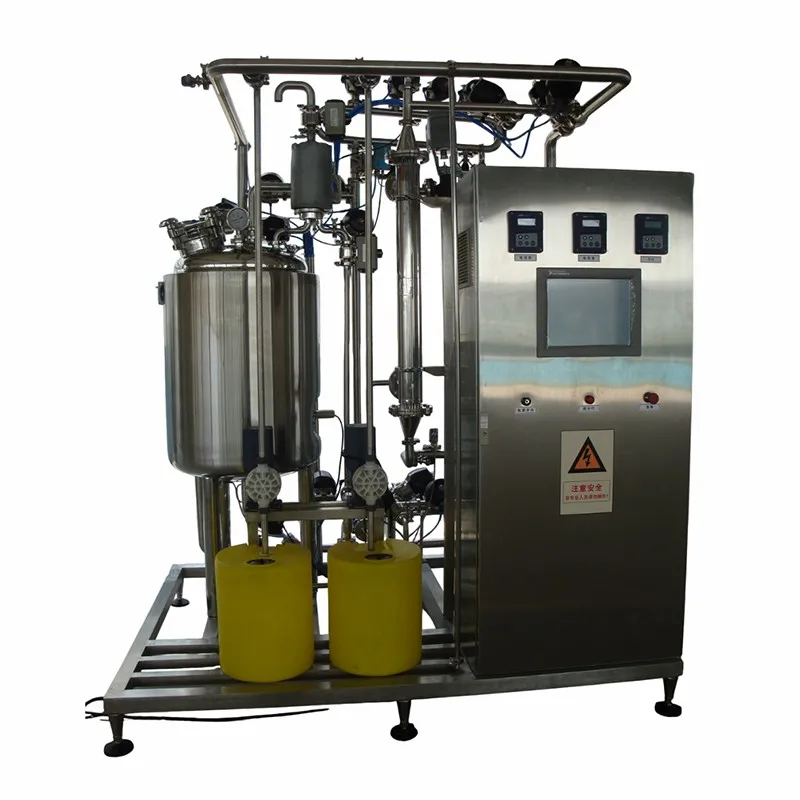
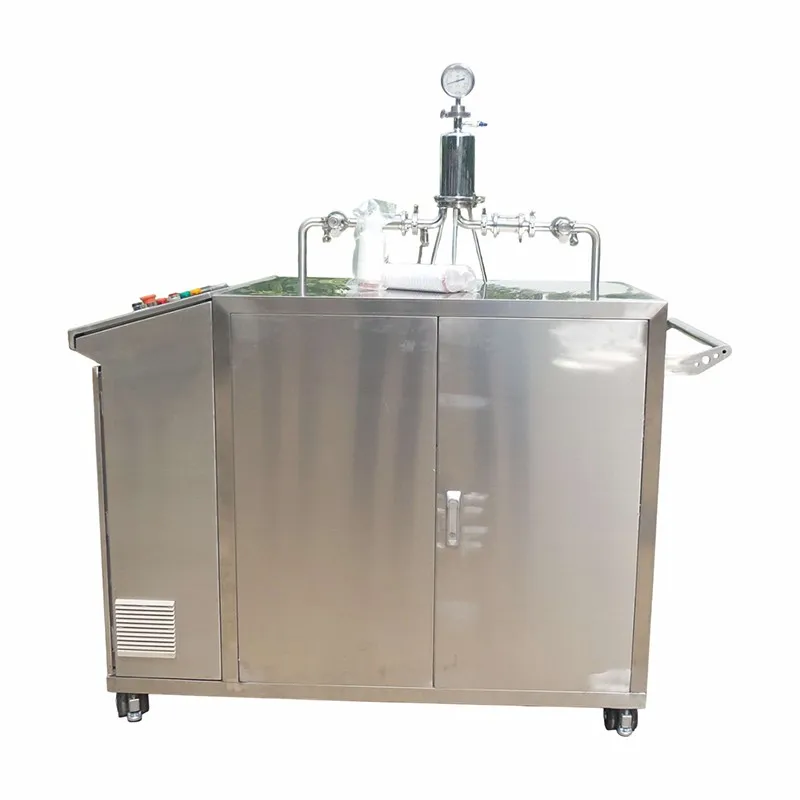
If you're in the market for a CIP System or any of our other products, we'd love to hear from you. Our team of sales and technical experts is ready to answer your questions, provide you with a detailed quote, and help you choose the right solution for your business. We understand that every customer has unique requirements, and we're committed to providing you with the best possible service.
In conclusion, the flow rate in a CIP System is a critical parameter that can have a significant impact on the cleaning efficiency, equipment longevity, and overall cost - effectiveness of the cleaning process. By working with a professional supplier like us, you can ensure that your CIP System is optimized for your specific needs. So, don't hesitate to reach out and start the conversation about how we can help you improve your cleaning operations.
References
- "Clean - in - Place Systems: Design, Operation, and Validation" by John Doe
- "Flow Rate and Pressure in Industrial Cleaning Systems" by Jane Smith