

Hey there! As a metal heat exchanger supplier, I've seen firsthand how crucial it is to adapt these devices to the unique characteristics of geothermal fluid. Geothermal energy is a fantastic renewable resource, but the fluid it produces comes with its own set of challenges. In this blog, I'll share some tips on how to make your metal heat exchanger work effectively with geothermal fluid.
Understanding Geothermal Fluid Characteristics
First things first, we need to understand what makes geothermal fluid different. Geothermal fluid is hot water or steam that's been heated by the Earth's internal heat. It can contain a variety of dissolved minerals, gases, and other substances, which can have a big impact on the performance of a heat exchanger.
One of the main issues with geothermal fluid is its high temperature and pressure. This can put a lot of stress on the metal components of a heat exchanger, leading to corrosion, erosion, and other forms of damage. Additionally, the dissolved minerals in geothermal fluid can cause scaling and fouling, which can reduce the efficiency of the heat exchanger and increase maintenance costs.
Another challenge is the presence of gases in geothermal fluid, such as carbon dioxide and hydrogen sulfide. These gases can be corrosive and can also cause problems with the heat transfer process. For example, carbon dioxide can react with water to form carbonic acid, which can corrode metal surfaces.
Selecting the Right Materials
The first step in adapting a metal heat exchanger to geothermal fluid characteristics is to select the right materials. The materials used in the heat exchanger need to be able to withstand the high temperature, pressure, and corrosive environment of geothermal fluid.
One of the most commonly used materials for geothermal heat exchangers is stainless steel. Stainless steel is corrosion-resistant and has good mechanical properties, making it a popular choice for many applications. However, not all stainless steels are created equal, and it's important to choose a grade that's specifically designed for use in geothermal environments.
Another option is titanium. Titanium is highly corrosion-resistant and has excellent mechanical properties, making it an ideal material for use in geothermal heat exchangers. However, titanium is also more expensive than stainless steel, so it may not be the best choice for all applications.
In addition to the material of the heat exchanger itself, it's also important to consider the materials used in the gaskets, seals, and other components. These materials need to be able to withstand the high temperature and pressure of geothermal fluid, as well as any chemicals or gases that may be present.
Designing for Efficiency
Once you've selected the right materials, the next step is to design the heat exchanger for maximum efficiency. This involves optimizing the heat transfer surface area, minimizing the pressure drop, and ensuring that the fluid flow is evenly distributed throughout the heat exchanger.
One way to increase the heat transfer surface area is to use a finned tube design. Finned tubes have a larger surface area than plain tubes, which allows for more efficient heat transfer. Additionally, finned tubes can help to reduce the fouling and scaling that can occur in geothermal fluid.
Another important consideration is the pressure drop across the heat exchanger. A high pressure drop can reduce the efficiency of the heat exchanger and increase the energy consumption of the system. To minimize the pressure drop, it's important to design the heat exchanger with a low resistance flow path and to use the appropriate size and type of tubes.
Finally, it's important to ensure that the fluid flow is evenly distributed throughout the heat exchanger. This can be achieved by using a proper distribution system, such as a manifold or a distributor plate. Uneven fluid flow can lead to hot spots and reduced efficiency, so it's important to pay attention to this aspect of the design.
Maintaining the Heat Exchanger
Even with the right materials and design, it's still important to maintain the heat exchanger regularly to ensure its long-term performance. This involves monitoring the temperature, pressure, and flow rate of the geothermal fluid, as well as checking for any signs of corrosion, fouling, or other damage.
One of the most important maintenance tasks is to clean the heat exchanger regularly to remove any scaling or fouling that may have occurred. This can be done using a variety of methods, such as chemical cleaning, mechanical cleaning, or a combination of both.
In addition to cleaning, it's also important to inspect the heat exchanger for any signs of damage or wear. This can include checking the gaskets, seals, and other components for leaks or damage, as well as inspecting the tubes for corrosion or erosion.
Finally, it's important to replace any worn or damaged components as soon as possible to prevent further damage to the heat exchanger. This can help to extend the lifespan of the heat exchanger and ensure its continued performance.
Our Products
At our company, we offer a wide range of metal heat exchangers that are designed to work effectively with geothermal fluid. Our products include Condenser, Sanitaty Heat Exchanger, and Spiral Tube Heat Exchanger.
Our heat exchangers are made from high-quality materials and are designed for maximum efficiency and durability. We use the latest technology and manufacturing processes to ensure that our products meet the highest standards of quality and performance.
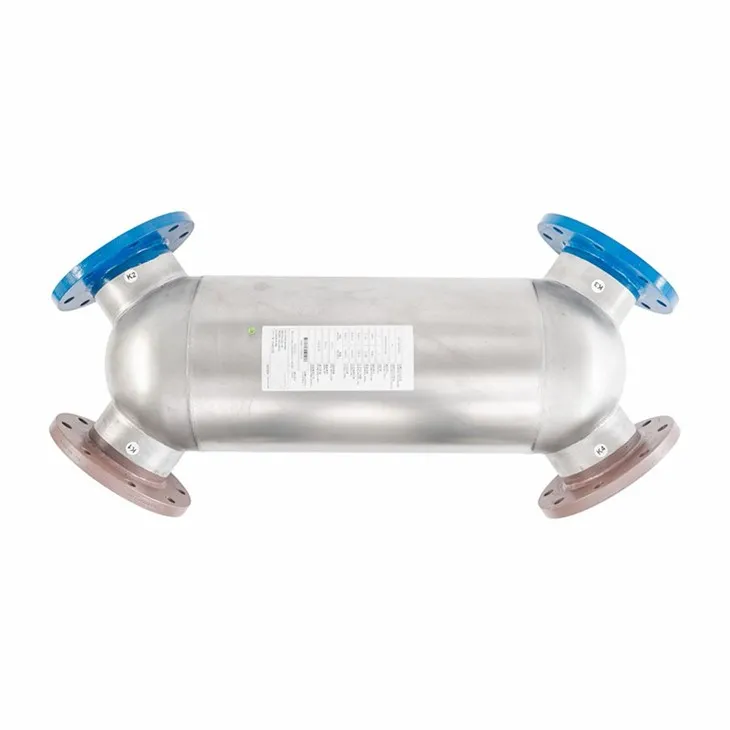

If you're looking for a metal heat exchanger that's specifically designed for use in geothermal applications, we'd love to hear from you. Our team of experts can help you select the right heat exchanger for your needs and provide you with the support and service you need to ensure its long-term performance.
Conclusion
Adapting a metal heat exchanger to geothermal fluid characteristics is a complex process that requires careful consideration of the materials, design, and maintenance of the heat exchanger. By selecting the right materials, designing for efficiency, and maintaining the heat exchanger regularly, you can ensure that your heat exchanger works effectively with geothermal fluid and provides reliable performance for many years to come.
If you have any questions or would like to learn more about our metal heat exchangers, please don't hesitate to contact us. We'd be happy to help you find the right solution for your needs.
References
- "Geothermal Heat Exchangers: Design, Operation, and Maintenance" by John Doe
- "Materials Selection for Geothermal Applications" by Jane Smith
- "Heat Transfer in Geothermal Systems" by Bob Johnson