

Hey there! As a supplier of metal heat exchangers, I get a ton of questions about how to pick the right one for a specific application. It's not always a walk in the park, but with a bit of knowledge, you can make an informed decision. So, let's dive right in and explore the key factors you need to consider.
1. Understand the Application Requirements
First things first, you gotta have a clear understanding of what your application needs. Are you looking to heat or cool a fluid? What are the flow rates and temperature ranges involved? For example, in a chemical processing plant, you might need to handle corrosive fluids at high temperatures. In contrast, a food and beverage application may require strict hygiene standards and lower operating temperatures.
Let's say you're dealing with a high - flow rate process. You'll need a heat exchanger that can handle the volume without causing excessive pressure drop. On the other hand, if you're working with a low - flow, high - temperature application, a different design might be more suitable.
2. Consider the Fluid Properties
The properties of the fluids involved play a huge role in heat exchanger selection. Is the fluid viscous? Is it corrosive? Does it contain solids or particulates?
Viscous fluids can be a challenge because they don't flow as easily as less viscous ones. You might need a heat exchanger with a larger flow area or a design that promotes better mixing to ensure efficient heat transfer. For example, a Spiral Wound Tube Heat Exchanger can be a great option for viscous fluids as it provides a long, continuous flow path that helps with heat transfer.
Corrosive fluids are another story. You'll need to choose a metal that can withstand the corrosive environment. Stainless steel is a popular choice for many corrosive applications, but in some cases, you might need more exotic metals like titanium or nickel alloys. If you're in the medical industry and need to handle sterile fluids, a Double Tubesheet Heat Exchanger for Medical Industry can offer the necessary protection against contamination.
3. Evaluate the Heat Transfer Requirements
The amount of heat that needs to be transferred is a crucial factor. You can calculate this based on the mass flow rate, specific heat capacity, and the temperature difference of the fluids.
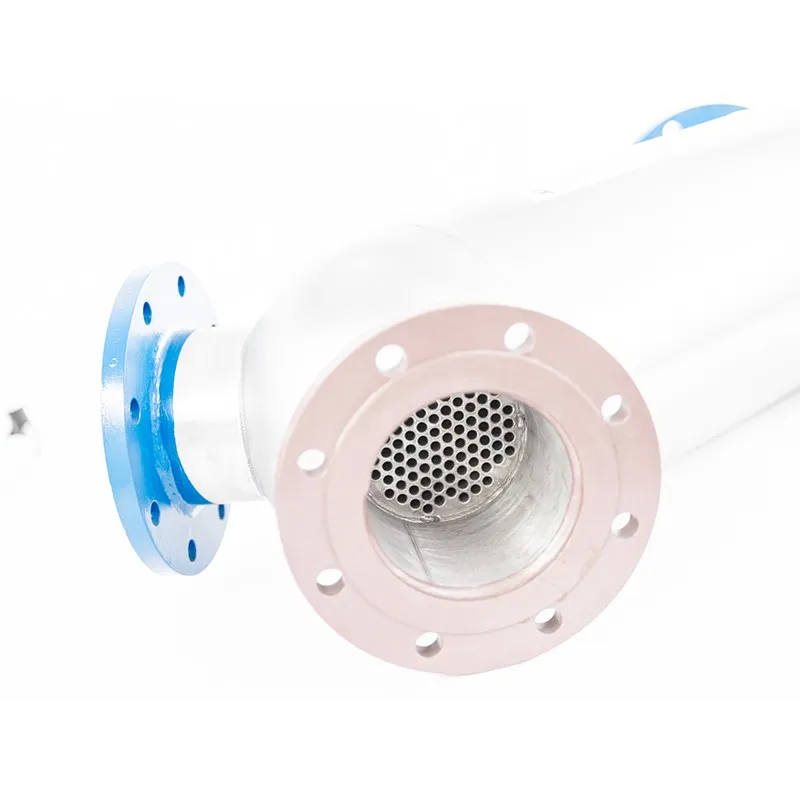

There are different types of heat exchangers with varying heat transfer capabilities. Shell and tube heat exchangers are known for their high heat transfer efficiency and can handle large volumes of fluid. Plate heat exchangers, on the other hand, are more compact and can provide a high heat transfer rate in a smaller space.
Let's say you have a limited amount of space in your facility. A plate heat exchanger might be the way to go as it can achieve the same heat transfer as a larger shell and tube heat exchanger in a much smaller footprint.
4. Look at the Operating Conditions
The operating conditions, such as pressure and temperature, can significantly impact the performance and lifespan of a heat exchanger. High - pressure applications require a heat exchanger that can withstand the pressure without leaking or failing.
Similarly, high - temperature applications can cause thermal expansion and stress on the metal. You need to choose a heat exchanger that is designed to handle these conditions. For example, a Carbon Steel Spiral Heat Exchanger can be a good choice for high - temperature applications as carbon steel has good thermal conductivity and can handle high temperatures.
5. Think about Maintenance and Cleaning
Maintenance and cleaning are often overlooked but are essential aspects of heat exchanger selection. Some heat exchangers are easier to clean than others. For example, plate heat exchangers can be disassembled for thorough cleaning, which is important if the fluid contains solids or particulates.
In applications where hygiene is critical, such as the food and beverage or pharmaceutical industries, easy cleaning and maintenance are non - negotiable. You don't want to have a heat exchanger that is difficult to clean and can harbor bacteria or other contaminants.
6. Cost Considerations
Cost is always a factor. You need to balance the initial purchase cost with the long - term operating and maintenance costs. A more expensive heat exchanger might have a higher upfront cost but could save you money in the long run due to lower energy consumption and less frequent maintenance.
For example, a high - efficiency heat exchanger might cost more initially, but it can reduce your energy bills over time. On the other hand, a cheaper heat exchanger might require more frequent repairs and replacements, which can add up in the long run.
7. Consult with an Expert
If you're still not sure which heat exchanger is right for your application, don't hesitate to consult with an expert. As a metal heat exchanger supplier, I've helped many customers find the perfect solution for their needs. I can provide you with detailed information about different heat exchanger types, their performance, and their suitability for your specific application.
We can also offer customized solutions based on your unique requirements. Whether you need a heat exchanger with a specific size, design, or material, we can work with you to create a product that meets your exact needs.
Making the Right Choice
Choosing the right metal heat exchanger for a specific application is a complex process, but by considering the factors above, you can make an informed decision. Remember to understand your application requirements, consider the fluid properties, evaluate the heat transfer requirements, look at the operating conditions, think about maintenance and cleaning, and factor in the cost.
If you're ready to take the next step and find the perfect heat exchanger for your application, I'd love to hear from you. We can discuss your needs in detail and help you select the best product for your situation. Whether you're in the chemical, food and beverage, medical, or any other industry, we have the expertise and the products to meet your heat exchanger needs.
References
- Incropera, F. P., & DeWitt, D. P. (2002). Fundamentals of Heat and Mass Transfer. John Wiley & Sons.
- Shah, R. K., & Sekulic, D. P. (2003). Fundamentals of Heat Exchanger Design. John Wiley & Sons.