

Hey there! I'm an HVAC skid supplier, and I know that claiming the warranty of an HVAC skid can be a bit of a head - scratcher for many. In this blog, I'll walk you through the whole process, step by step, so you can get the most out of your warranty when you need it.
First things first, let's understand what an HVAC skid is. HVAC stands for Heating, Ventilation, and Air Conditioning. An HVAC skid is a pre - fabricated unit that combines all the necessary components for an HVAC system into one compact and modular structure. It's a great solution for various industries, like the chemical industry, food industry, and factories. You can check out our specific offerings for these sectors: HVAC Skid for Chemical Industry, HVAC Skid for Food Industry, and HVAC Skid for Factory.
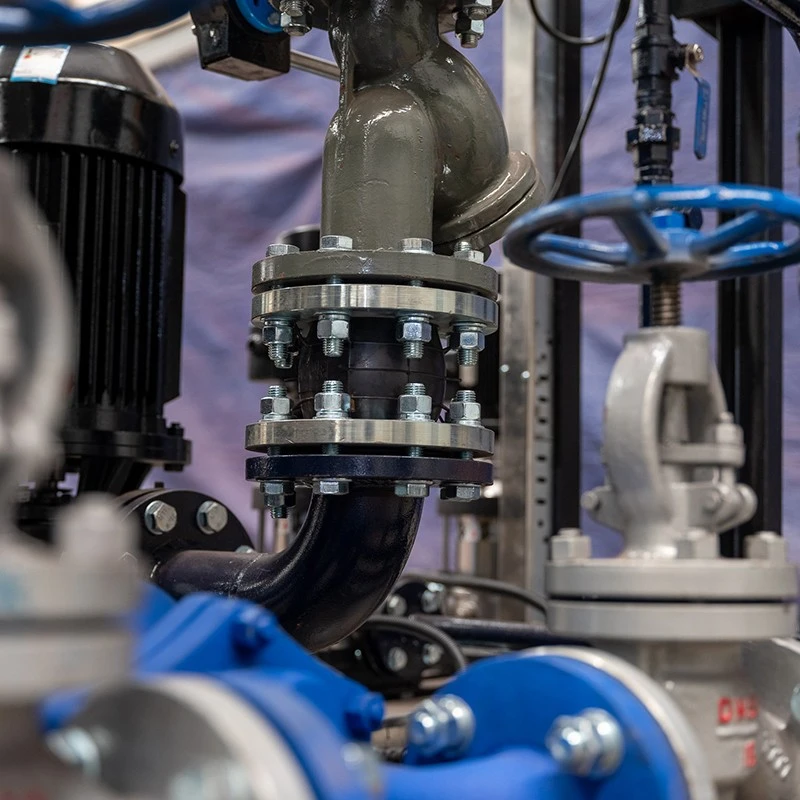
Now, let's dive into the warranty claim process.
Step 1: Know Your Warranty Terms
The first and most crucial step is to thoroughly read and understand the warranty terms that came with your HVAC skid. These terms are like a rulebook for making a claim. They'll tell you things like how long the warranty lasts, what parts and services are covered, and what conditions might void the warranty.
For example, most warranties have a limited time frame, say 1 - 5 years from the date of purchase. During this period, if something goes wrong with your HVAC skid due to a manufacturing defect, you're in luck. But if you've made unauthorized modifications to the skid or used it in a way that goes against the manufacturer's instructions, the warranty might not apply. So, keep that in mind and always refer back to the warranty document when in doubt.
Step 2: Identify the Problem
Once you've got a good grasp of the warranty terms, it's time to figure out what's wrong with your HVAC skid. This might seem obvious, but sometimes the symptoms can be misleading. You might notice that the air coming out of the vents is not as cold as it should be, or there's a strange noise coming from the unit.
Take some time to observe the skid closely. Check for any visible signs of damage, like leaks, loose connections, or broken parts. Make a note of when the problem started, how often it occurs, and any other relevant details. This information will be super helpful when you contact the warranty provider.

Step 3: Contact the Warranty Provider
Now that you've identified the problem, it's time to get in touch with the warranty provider. This could be us, the HVAC skid supplier, or the manufacturer. You can usually find the contact information in the warranty document or on our website.
When you call or email, be sure to have your warranty number handy. This is like your unique ID for the warranty claim. Explain the problem clearly and concisely, using the notes you made earlier. Provide details such as the model and serial number of your HVAC skid, as this will help the warranty provider quickly identify your unit and its specifications.
Step 4: Follow the Warranty Provider's Instructions
After you've reported the problem, the warranty provider will give you some instructions on what to do next. This could involve sending a technician to your site to inspect the skid, or they might ask you to send some photos or videos of the problem.
It's really important to follow these instructions carefully. If you're asked to send photos, make sure they're clear and show the problem from different angles. If a technician is coming to your site, make sure you're available to show them the skid and explain the issue.
Step 5: Wait for the Diagnosis
Once the inspection is done, the warranty provider will diagnose the problem. They'll figure out if it's a covered issue under the warranty. This might take a little time, especially if they need to do some testing or consult with their experts.
During this waiting period, it's a good idea to stay in touch with the warranty provider to get updates on the progress. You can ask them for an estimated time frame for when they'll have a diagnosis and what the next steps will be.
Step 6: Get the Repair or Replacement
If the problem is covered by the warranty, the warranty provider will arrange for the necessary repairs or replacement. This could mean fixing a broken part, replacing a faulty component, or even providing a brand - new HVAC skid if the damage is severe.
The warranty provider will usually handle all the logistics, like ordering the parts and scheduling the repair work. They'll also make sure that the work is done by qualified technicians who know what they're doing.
Step 7: Follow - Up and Confirmation
After the repair or replacement is completed, it's a good idea to follow up with the warranty provider. Make sure that everything is working properly and that the problem has been fully resolved. You can also ask for a confirmation in writing that the warranty claim has been successfully processed.

This confirmation is important as it serves as proof that the issue has been taken care of under the warranty. It can also come in handy if you ever need to refer back to the claim in the future.
Tips to Make the Warranty Claim Process Smoother
- Keep all your documentation in order. This includes the purchase receipt, warranty document, and any communication with the warranty provider. Having these documents readily available will make the process much faster.
- Don't try to fix the problem yourself unless you're absolutely sure what you're doing. Unauthorized repairs can void the warranty.
- Be patient. The warranty claim process can take some time, especially if there are complex issues involved. But as long as you follow the steps and stay in touch with the warranty provider, everything should work out fine.
In conclusion, claiming the warranty of an HVAC skid doesn't have to be a hassle. By following these steps and being prepared, you can ensure that you get the most out of your warranty when you need it. If you're in the market for an HVAC skid or have any questions about our products and warranties, don't hesitate to reach out. We're here to help you make the right choice and support you throughout the process.
References
- HVAC industry best practices guides
- Manufacturer's warranty documentation