

Can a metal heat exchanger be used in power plants? This is a question that often arises in the energy industry. As a supplier of metal heat exchangers, I am well - versed in the capabilities and applications of these essential components. In this blog, I will explore the feasibility and advantages of using metal heat exchangers in power plants.
The Role of Heat Exchangers in Power Plants
Power plants, whether they are coal - fired, gas - fired, nuclear, or renewable energy - based, rely heavily on heat transfer processes. Heat exchangers play a crucial role in these processes by facilitating the transfer of heat from one fluid to another. In a power plant, heat exchangers are used for various purposes, such as pre - heating feedwater, condensing steam, and cooling turbine exhaust.

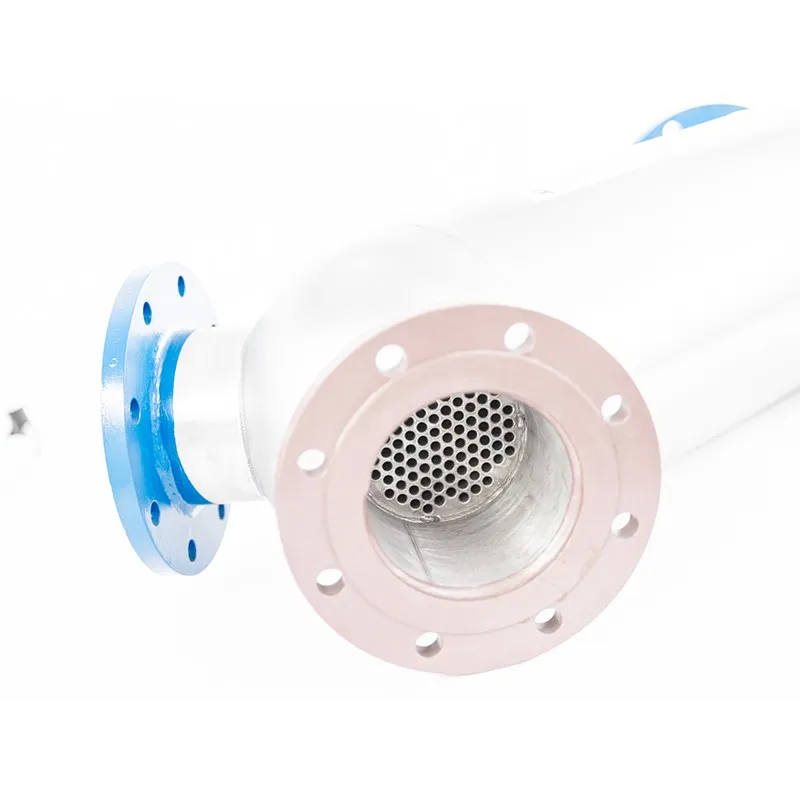
The efficiency of a power plant is directly related to the effectiveness of its heat exchangers. A well - designed and properly functioning heat exchanger can significantly improve the overall efficiency of the power generation process, leading to reduced fuel consumption and lower emissions.
Advantages of Metal Heat Exchangers
- High Thermal Conductivity
Metals, such as copper, aluminum, titanium, and carbon steel, have high thermal conductivity. This means that they can transfer heat quickly and efficiently between the hot and cold fluids. For example, copper is known for its excellent thermal conductivity, making it a popular choice for heat exchangers where rapid heat transfer is required. - Durability and Strength
Power plants operate under harsh conditions, including high temperatures, high pressures, and corrosive environments. Metal heat exchangers are highly durable and can withstand these extreme conditions. They have high mechanical strength, which allows them to maintain their structural integrity over long periods of operation. For instance, titanium is highly resistant to corrosion, making it suitable for use in power plants where the working fluids may be corrosive. - Versatility
Metal heat exchangers come in a variety of designs and configurations, such as shell - and - tube, plate, and spiral wound. This versatility allows them to be customized to meet the specific requirements of different power plant applications. For example, Titanium Spiral Wound Shell and Tube Heat Exchanger is a unique design that combines the advantages of titanium's corrosion resistance with the efficient heat transfer capabilities of a shell - and - tube configuration.
Types of Metal Heat Exchangers Suitable for Power Plants
- Shell - and - Tube Heat Exchangers
Shell - and - tube heat exchangers are one of the most commonly used types of heat exchangers in power plants. They consist of a bundle of tubes enclosed in a shell. The hot fluid flows through the tubes, while the cold fluid flows around the tubes in the shell. This design allows for a large surface area for heat transfer, making it suitable for high - heat - load applications. Carbon Steel Tubular Shell and Tube Heat Exchanger is a cost - effective option for power plants that do not require high - end corrosion resistance. - Spiral Heat Exchangers
Spiral heat exchangers are another popular choice for power plant applications. They have a compact design and offer high heat transfer efficiency. The spiral configuration allows for counter - current flow of the hot and cold fluids, which maximizes the temperature difference between the two fluids and enhances heat transfer. Carbon Steel Spiral Heat Exchanger is a reliable option for power plants that need a cost - effective and efficient heat transfer solution.
Considerations for Using Metal Heat Exchangers in Power Plants
- Corrosion Resistance
As mentioned earlier, power plant environments can be corrosive. Therefore, it is essential to select a metal heat exchanger material that is resistant to corrosion. For example, if the working fluid contains sulfur compounds, stainless steel or titanium heat exchangers may be more suitable than carbon steel, as carbon steel is more prone to corrosion in such environments. - Maintenance Requirements
Metal heat exchangers require regular maintenance to ensure their optimal performance. This includes cleaning to remove fouling and scaling, which can reduce the heat transfer efficiency. The maintenance schedule and procedures should be carefully planned to minimize downtime and ensure the long - term reliability of the heat exchanger. - Cost
The cost of metal heat exchangers can vary significantly depending on the type of metal, design, and size. While some metals, such as titanium, are more expensive, they may offer long - term cost savings due to their durability and corrosion resistance. It is important to conduct a cost - benefit analysis to determine the most suitable heat exchanger for a particular power plant application.
Case Studies of Metal Heat Exchangers in Power Plants
- Nuclear Power Plants
In nuclear power plants, heat exchangers are used to transfer heat from the reactor coolant to the secondary coolant, which is then used to generate steam. Titanium heat exchangers are often used in these applications due to their high corrosion resistance and ability to withstand high temperatures and pressures. For example, in some advanced nuclear power plants, titanium shell - and - tube heat exchangers are used to ensure reliable and efficient heat transfer. - Coal - Fired Power Plants
Coal - fired power plants use heat exchangers for various purposes, such as pre - heating the combustion air and cooling the flue gases. Carbon steel heat exchangers are commonly used in these plants due to their relatively low cost and sufficient durability. However, proper corrosion protection measures are required to prevent corrosion caused by the sulfur and other contaminants in the flue gases.
Conclusion
In conclusion, metal heat exchangers can indeed be used in power plants, and they offer numerous advantages, including high thermal conductivity, durability, and versatility. The choice of metal heat exchanger depends on various factors, such as the type of power plant, the working fluid characteristics, and the operating conditions. By carefully selecting the appropriate metal heat exchanger and implementing proper maintenance procedures, power plants can improve their efficiency, reduce emissions, and ensure reliable operation.
If you are looking for a reliable metal heat exchanger for your power plant, please feel free to contact us for more information and to discuss your specific requirements. We are committed to providing high - quality heat exchangers that meet the highest standards of performance and reliability.
References
- Incropera, F. P., DeWitt, D. P., Bergman, T. L., & Lavine, A. S. (2017). Fundamentals of Heat and Mass Transfer. Wiley.
- Kakac, S., & Liu, H. (2002). Heat Exchangers: Selection, Rating, and Thermal Design. CRC Press.
- ASME Boiler and Pressure Vessel Code, Section VIII, Division 1. American Society of Mechanical Engineers.