

Hey there! As a supplier of CIP Systems, I've seen firsthand the numerous benefits that these systems bring to various industries. In this blog post, I'm gonna break down the advantages of using a CIP System, so you can see why it's a game - changer for many businesses.
1. Enhanced Cleaning Efficiency
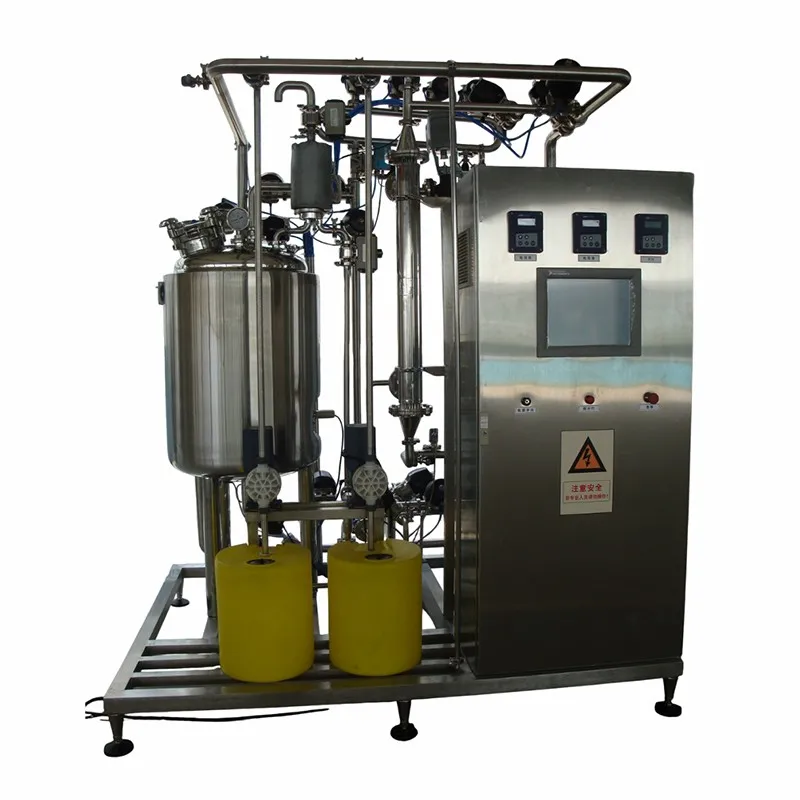
One of the most significant perks of a CIP System is its ability to clean equipment thoroughly and quickly. Unlike manual cleaning, which can be time - consuming and inconsistent, a CIP System automates the cleaning process. It uses a combination of chemicals, water, and mechanical action to remove dirt, debris, and residues from the interior surfaces of pipes, tanks, and other processing equipment.
Let's say you're running a food and beverage manufacturing plant. You have large storage tanks that need to be cleaned regularly to prevent contamination. With a CIP System, you can set up a pre - defined cleaning cycle. The system will pump cleaning solutions through the tanks, circulate them at the right temperature and pressure, and then rinse them out. This ensures that every nook and cranny of the tank is cleaned, reducing the risk of product spoilage and improving overall product quality.
Moreover, the automation aspect means that the cleaning process can run during off - peak hours, minimizing disruptions to your production schedule. You don't have to shut down your entire operation for an extended period just to clean your equipment. Instead, the CIP System can work in the background while your plant continues to operate, saving you both time and money.
2. Consistency in Cleaning
Manual cleaning is prone to human error. Different operators may clean equipment with varying levels of thoroughness, depending on their experience and attention to detail. This can lead to inconsistent cleaning results, which is a big no - no in industries where hygiene and quality control are paramount.
A CIP System, on the other hand, follows a set of pre - programmed instructions. Every cleaning cycle is the same, ensuring that the equipment is cleaned to the same high standard every time. This consistency is crucial for meeting regulatory requirements in industries such as pharmaceuticals, food, and beverage. For example, in the pharmaceutical industry, strict regulations govern the cleaning of manufacturing equipment to prevent cross - contamination between different drug products. A CIP System provides the reliability needed to meet these standards consistently.
3. Reduced Labor Costs
As I mentioned earlier, manual cleaning is labor - intensive. It requires a significant amount of time and manpower to clean large pieces of equipment thoroughly. By investing in a CIP System, you can significantly reduce your labor costs. You won't need as many workers dedicated to the cleaning process, and those employees can be reassigned to more value - added tasks within your organization.
For instance, in a dairy processing plant, instead of having several workers spending hours scrubbing milk storage tanks and processing lines, a CIP System can do the job with minimal human intervention. The operators only need to monitor the system and ensure that it's running smoothly. This not only saves money on wages but also allows your workforce to focus on activities that contribute directly to the production and growth of your business.

4. Improved Safety
Cleaning equipment manually can be a hazardous task. Workers may be exposed to harsh chemicals, hot water, and other potentially dangerous substances. There's also a risk of physical injury, such as slips, trips, and falls when working in and around large equipment.
A CIP System reduces these safety risks. Since the cleaning process is automated, workers are not required to enter confined spaces or come into direct contact with cleaning chemicals. The system is designed to handle the chemicals safely, with proper ventilation and containment measures in place. This creates a safer working environment for your employees and reduces the likelihood of workplace accidents and associated costs, such as workers' compensation claims.
5. Flexibility and Customization
CIP Systems are highly flexible and can be customized to meet the specific needs of your business. Whether you're in the food, beverage, pharmaceutical, or chemical industry, a CIP System can be tailored to clean different types of equipment and handle various cleaning requirements.
For example, if you have a complex production line with different types of pipes and tanks, a CIP System can be configured to clean each component effectively. You can adjust the cleaning cycle parameters, such as the temperature, pressure, and duration of the cleaning solution circulation, based on the type of residue and the material of the equipment. This flexibility ensures that you get the most efficient and effective cleaning results for your specific application.
6. Environmentally Friendly
In today's world, environmental sustainability is a top priority for many businesses. CIP Systems can help you reduce your environmental impact in several ways. Firstly, they use cleaning solutions more efficiently. Since the system recirculates the cleaning chemicals, it minimizes the amount of waste generated compared to traditional cleaning methods, where large volumes of chemicals are often discarded after a single use.
Secondly, CIP Systems can be designed to use less water. By optimizing the cleaning process and recycling water where possible, you can significantly reduce your water consumption. This not only saves a precious natural resource but also lowers your water bills. For example, in a beverage bottling plant, a well - designed CIP System can recycle a large portion of the water used in the cleaning process, reducing the overall water footprint of the operation.
7. Integration with Other Systems
CIP Systems can be easily integrated with other systems in your production facility, such as SIP System and Filter Cleaning System. This integration allows for seamless operation and improved overall efficiency.
For instance, in a pharmaceutical manufacturing plant, a CIP System can be integrated with a SIP (Sterilization - in - Place) System. After the equipment is cleaned by the CIP System, the SIP System can immediately sterilize it, eliminating the need for manual transfer of the equipment between different cleaning and sterilization areas. This reduces the risk of contamination and streamlines the production process.
Similarly, integrating a CIP System with a Filter Cleaning System can ensure that filters are cleaned effectively and in a timely manner. This helps to maintain the performance of the filtration system and extends the lifespan of the filters, reducing replacement costs.
Contact Us for a CIP System
If you're interested in learning more about how a CIP System can benefit your business, don't hesitate to get in touch. Our team of experts is ready to discuss your specific requirements and provide you with a customized solution. Whether you're looking to improve cleaning efficiency, reduce costs, or enhance the safety and quality of your production process, a CIP System could be the answer.
We understand that every business is unique, and we're committed to providing you with the best possible service and support. So, take the first step towards a more efficient and sustainable operation by reaching out to us today.
References
- "Clean - in - Place Systems: Design, Operation, and Validation" by John Doe.
- Industry standards and guidelines from relevant regulatory bodies such as the FDA and EU.
- Case studies from various industries highlighting the benefits of CIP Systems.