

In the realm of industrial cleaning, Clean-in-Place (CIP) systems have emerged as a cornerstone technology, offering efficient and automated cleaning solutions for a wide range of industries, including food and beverage, pharmaceuticals, and cosmetics. As a leading CIP System supplier, we are constantly exploring innovative ways to enhance the performance and reliability of our systems. One such avenue of advancement is the integration of sensors, which play a pivotal role in optimizing the cleaning process, improving product quality, and ensuring regulatory compliance.
Understanding the Basics of CIP Systems
Before delving into the impact of sensors, it is essential to understand the fundamental principles of a CIP System. A CIP system is designed to clean the interior surfaces of pipes, vessels, and equipment without disassembly. This automated process involves the circulation of cleaning solutions, such as water, detergents, and sanitizers, through the system to remove dirt, debris, and microorganisms. The cleaning process typically consists of several stages, including pre-rinse, cleaning, intermediate rinse, sanitization, and final rinse.
The effectiveness of a CIP system depends on several factors, including the type and concentration of cleaning agents, the temperature and flow rate of the cleaning solutions, and the duration of the cleaning cycle. Traditionally, these parameters were set manually based on historical data and operator experience. However, this approach often led to over-cleaning or under-cleaning, resulting in increased costs, reduced productivity, and potential product quality issues.
The Role of Sensors in CIP Systems
Sensors have revolutionized the way CIP systems operate by providing real-time data on key process parameters. By continuously monitoring variables such as temperature, pressure, flow rate, conductivity, and turbidity, sensors enable precise control of the cleaning process, ensuring optimal performance and efficiency. Here are some of the key ways in which sensors improve the performance of a CIP System:
1. Precise Process Control
Sensors allow for the accurate measurement and control of critical process parameters, ensuring that the cleaning solutions are delivered at the right temperature, pressure, and flow rate. For example, temperature sensors can monitor the temperature of the cleaning solutions and adjust the heating elements accordingly to maintain the desired temperature range. Pressure sensors can detect any blockages or leaks in the system and trigger an alarm if the pressure deviates from the setpoint. Flow sensors can measure the flow rate of the cleaning solutions and adjust the pump speed to ensure consistent cleaning performance.
2. Quality Assurance
Sensors play a crucial role in ensuring product quality by monitoring the cleanliness of the system. Conductivity sensors can measure the concentration of cleaning agents in the solution, ensuring that the correct amount is being used. Turbidity sensors can detect the presence of particles and contaminants in the rinse water, indicating whether the system has been thoroughly cleaned. By providing real-time feedback on the cleaning process, sensors enable operators to take corrective action immediately if any issues are detected, reducing the risk of product contamination and recalls.
3. Cost Savings
By optimizing the cleaning process, sensors can help reduce costs associated with over-cleaning, energy consumption, and chemical usage. For example, by accurately controlling the temperature and flow rate of the cleaning solutions, sensors can minimize the amount of energy required to heat and circulate the solutions. Conductivity sensors can also help reduce chemical usage by ensuring that the cleaning agents are used at the optimal concentration. Additionally, by preventing under-cleaning, sensors can reduce the risk of product quality issues and downtime, resulting in increased productivity and cost savings.
4. Regulatory Compliance
In industries such as pharmaceuticals and food and beverage, regulatory compliance is of utmost importance. Sensors can help ensure compliance with strict industry standards and regulations by providing accurate and reliable data on the cleaning process. For example, conductivity sensors can be used to monitor the concentration of sanitizers in the solution, ensuring that the system is properly sanitized. Turbidity sensors can detect the presence of microorganisms in the rinse water, indicating whether the system meets the required microbiological standards. By maintaining detailed records of the cleaning process, sensors can also provide documentation for regulatory audits.
Types of Sensors Used in CIP Systems
There are several types of sensors commonly used in CIP systems, each designed to measure a specific process parameter. Here are some of the most commonly used sensors:
1. Temperature Sensors
Temperature sensors are used to measure the temperature of the cleaning solutions and the system components. They are typically installed in the heating elements, storage tanks, and pipes to ensure that the cleaning solutions are maintained at the desired temperature range. Common types of temperature sensors include thermocouples, resistance temperature detectors (RTDs), and infrared sensors.

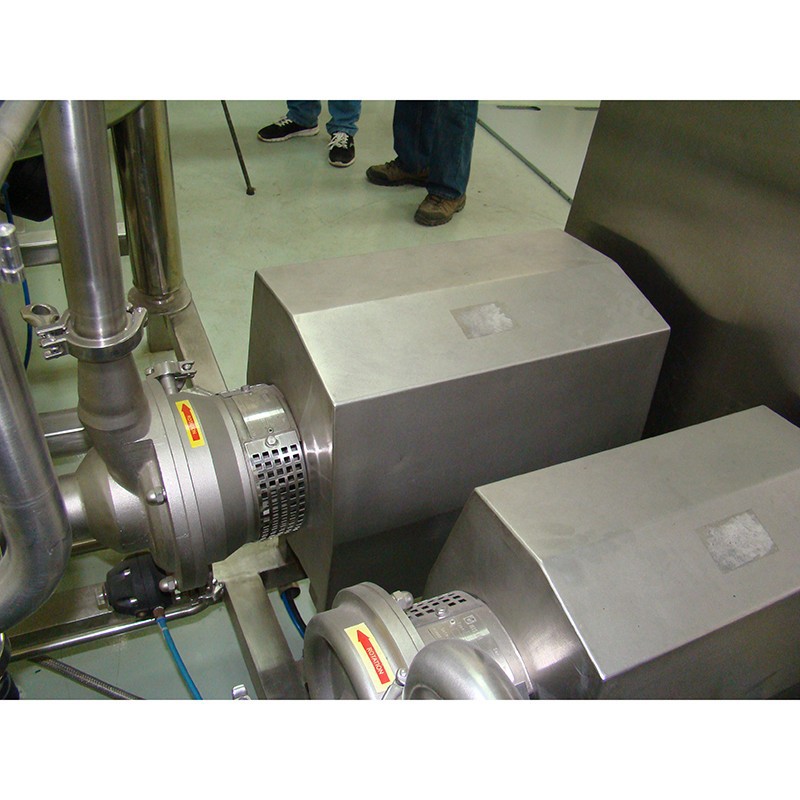
2. Pressure Sensors
Pressure sensors are used to measure the pressure of the cleaning solutions and the system components. They are typically installed in the pipes, valves, and pumps to detect any blockages or leaks in the system. Common types of pressure sensors include strain gauge sensors, piezoelectric sensors, and capacitive sensors.
3. Flow Sensors
Flow sensors are used to measure the flow rate of the cleaning solutions and the system components. They are typically installed in the pipes and pumps to ensure that the cleaning solutions are delivered at the correct flow rate. Common types of flow sensors include electromagnetic flow meters, ultrasonic flow meters, and turbine flow meters.
4. Conductivity Sensors
Conductivity sensors are used to measure the electrical conductivity of the cleaning solutions, which is directly related to the concentration of dissolved salts and other ions. They are typically installed in the storage tanks and pipes to monitor the concentration of cleaning agents and sanitizers. Conductivity sensors can also be used to detect the presence of contaminants in the rinse water.
5. Turbidity Sensors
Turbidity sensors are used to measure the clarity of the cleaning solutions and the rinse water. They are typically installed in the pipes and tanks to detect the presence of particles and contaminants in the solution. Turbidity sensors can also be used to monitor the effectiveness of the cleaning process by measuring the amount of dirt and debris removed from the system.
Integration of Sensors into CIP Systems
Integrating sensors into a CIP System requires careful planning and design to ensure compatibility and optimal performance. Here are some of the key considerations when integrating sensors into a CIP System:
1. Sensor Selection
The first step in integrating sensors into a CIP System is to select the appropriate sensors for the specific application. Factors to consider include the type of process parameter to be measured, the accuracy and reliability of the sensor, the operating environment, and the compatibility with the existing system components. It is also important to choose sensors that are easy to install, calibrate, and maintain.
2. Sensor Placement
The placement of sensors is critical to ensure accurate measurement and reliable performance. Sensors should be installed in locations where they can provide representative data on the process parameter being measured. For example, temperature sensors should be installed in the pipes or tanks where the cleaning solutions are heated or cooled. Pressure sensors should be installed in the pipes or valves where the pressure is likely to change. Flow sensors should be installed in the pipes or pumps where the flow rate is being measured.
3. Data Acquisition and Analysis
Once the sensors are installed, the next step is to acquire and analyze the data they generate. This typically involves the use of a data acquisition system (DAS) or a programmable logic controller (PLC) to collect the sensor data and transmit it to a central control system. The control system can then analyze the data in real-time and make adjustments to the process parameters as needed. It is also important to have a data management system in place to store and manage the sensor data for future reference and analysis.
4. System Integration
Finally, the sensors and the control system need to be integrated into the existing CIP System. This may involve modifying the plumbing, electrical, and control systems to accommodate the new sensors and the data acquisition system. It is important to ensure that the integration process is carried out by experienced professionals to minimize the risk of system downtime and ensure optimal performance.
Conclusion
Sensors have become an essential component of modern CIP systems, providing real-time data on key process parameters and enabling precise control of the cleaning process. By improving process control, ensuring product quality, reducing costs, and ensuring regulatory compliance, sensors have significantly enhanced the performance and reliability of CIP systems. As a leading CIP System supplier, we are committed to providing our customers with the latest sensor technology and innovative solutions to meet their specific cleaning needs.
If you are interested in learning more about how sensors can improve the performance of your CIP System, or if you have any questions about our products and services, please contact us today. Our team of experts will be happy to assist you in finding the right solution for your application.
References
- Smith, J. (2020). The Role of Sensors in Industrial Cleaning Systems. Journal of Industrial Cleaning, 15(2), 45-52.
- Johnson, A. (2019). Optimizing CIP Systems with Sensor Technology. Food and Beverage Technology Magazine, 22(3), 34-39.
- Brown, K. (2018). Sensors for Quality Assurance in CIP Systems. Pharmaceutical Technology, 32(4), 56-61.