

A plate type heat exchanger is a crucial piece of equipment widely used in various industries, including chemical processing, food and beverage, power generation, and HVAC systems. It plays a vital role in transferring heat between two fluids without them mixing. One of the key aspects to understand when dealing with plate type heat exchangers is their pressure rating. As a supplier of plate type heat exchangers, I am well - versed in this topic and will delve into it in detail.
Understanding Pressure Rating
The pressure rating of a plate type heat exchanger refers to the maximum pressure that the heat exchanger can safely withstand during its normal operation. This rating is determined by several factors, including the design of the heat exchanger, the materials used in its construction, and the manufacturing process.
The design of the plate type heat exchanger significantly influences its pressure - handling capacity. The shape and thickness of the plates, as well as the gasket materials and the way they are assembled, all contribute to the overall strength of the heat exchanger. For example, plates with a well - engineered corrugation pattern can distribute pressure more evenly, enhancing the heat exchanger's ability to handle high pressures.
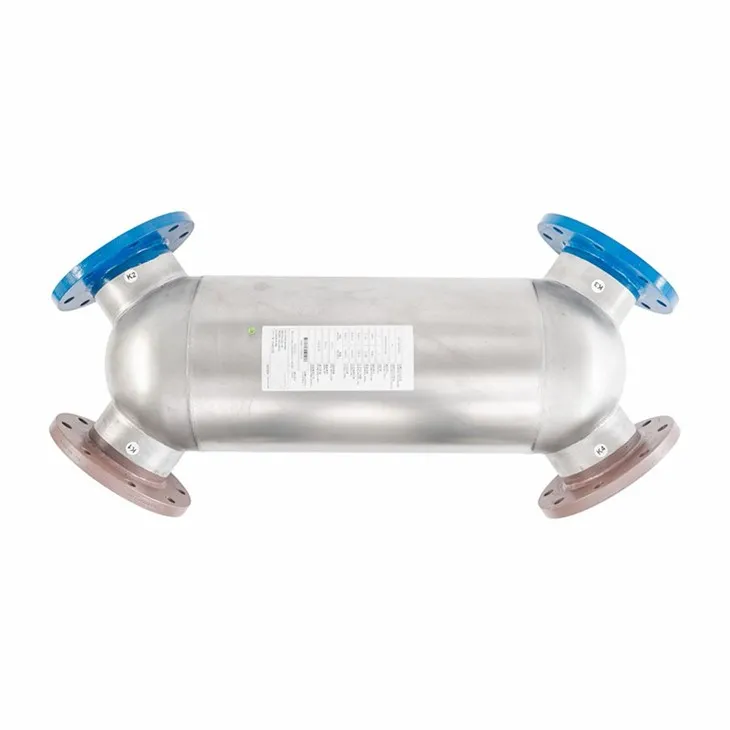
The materials used in the construction of the heat exchanger are also critical. Different metals and alloys have varying mechanical properties, such as tensile strength and yield strength. Stainless steel is a commonly used material in plate type heat exchangers due to its good corrosion resistance and relatively high strength. However, in applications where extremely high pressures are involved, more exotic materials like titanium may be required. Our Titanium Tubular Shell and Tube Heat Exchanger showcases the use of titanium in heat exchanger construction, providing high strength and excellent corrosion resistance even under high - pressure conditions.
Importance of Pressure Rating
Knowing the pressure rating of a plate type heat exchanger is of utmost importance for several reasons. Firstly, it ensures the safety of the equipment and the personnel operating it. If a heat exchanger is subjected to pressures higher than its rated capacity, it can lead to catastrophic failures, such as plate rupture or gasket failure. These failures can result in fluid leaks, which may be hazardous, especially if the fluids involved are toxic, flammable, or corrosive.
Secondly, the pressure rating affects the performance of the heat exchanger. When a heat exchanger operates close to or beyond its pressure limit, the flow distribution of the fluids may be disrupted. This can lead to uneven heat transfer, reduced efficiency, and increased energy consumption. By operating within the recommended pressure range, the heat exchanger can maintain optimal performance and provide reliable heat transfer over an extended period.
Factors Affecting Pressure Rating
Several factors can affect the pressure rating of a plate type heat exchanger. One of the main factors is the temperature of the fluids. As the temperature increases, the mechanical properties of the materials used in the heat exchanger may change. For example, metals generally become softer at higher temperatures, reducing their ability to withstand pressure. Therefore, the pressure rating of a heat exchanger may need to be derated at elevated temperatures to ensure safe operation.
The type of fluid being used also matters. Fluids with high viscosity or abrasive properties can cause additional stress on the heat exchanger plates and gaskets. Abrasive particles in the fluid can wear down the plates over time, reducing their thickness and weakening their pressure - handling capacity. In such cases, special considerations need to be taken in the design and selection of the heat exchanger to ensure a sufficient pressure rating.
Determining the Pressure Rating
Determining the appropriate pressure rating for a plate type heat exchanger requires a comprehensive analysis of the application requirements. This includes understanding the operating pressures of the fluids, the temperature range, the flow rates, and the properties of the fluids. Our team of experts can assist in this process, taking into account all these factors to recommend the most suitable heat exchanger with an appropriate pressure rating.
We use advanced engineering techniques and computer - aided design (CAD) software to simulate the performance of the heat exchanger under different operating conditions. This allows us to accurately predict the pressure distribution within the heat exchanger and optimize its design for maximum pressure - handling capacity. Additionally, we conduct rigorous testing on our heat exchangers to validate their pressure ratings and ensure they meet the highest quality and safety standards.
Pressure Rating in Different Applications
The pressure rating requirements vary depending on the specific application. In the chemical industry, for example, where processes often involve high - pressure reactions and the handling of corrosive chemicals, heat exchangers with high pressure ratings are essential. Our Condenser is designed to meet the demanding requirements of chemical processes, providing reliable heat transfer at high pressures.
In the food and beverage industry, the pressure ratings are generally lower compared to the chemical industry. However, strict hygiene and sanitation standards need to be met. Plate type heat exchangers used in this industry are typically made of food - grade materials and are designed to operate at pressures that ensure proper heat transfer without compromising the quality of the products.
In the power generation industry, especially in steam - based power plants, heat exchangers are subjected to high pressures and temperatures. The pressure rating of these heat exchangers is crucial for efficient power generation and the overall safety of the plant. Our 316 Spiral Wound Shell and Tube Heat Exchanger is suitable for power generation applications, offering high - pressure resistance and excellent heat transfer performance.
Selecting the Right Pressure Rating
When selecting a plate type heat exchanger, it is essential to choose one with an appropriate pressure rating. Over - specifying the pressure rating can lead to higher costs, as heat exchangers with higher pressure ratings are generally more expensive. On the other hand, under - specifying the pressure rating can result in safety risks and poor performance.
We recommend working closely with our technical team to determine the exact pressure requirements of your application. Our experts will consider all the relevant factors, such as the type of fluids, operating temperatures, and flow rates, to recommend the most cost - effective and reliable heat exchanger solution.

Conclusion
In conclusion, the pressure rating of a plate type heat exchanger is a critical parameter that affects its safety, performance, and suitability for different applications. As a supplier of plate type heat exchangers, we are committed to providing high - quality products with accurate pressure ratings. Our team of experts is always available to assist you in selecting the right heat exchanger for your specific needs.
If you are interested in learning more about our plate type heat exchangers or need assistance in choosing the appropriate pressure rating for your application, please feel free to contact us for a detailed discussion and procurement negotiation. We look forward to working with you to meet your heat transfer requirements.
References
- Incropera, F. P., & DeWitt, D. P. (2002). Fundamentals of Heat and Mass Transfer. John Wiley & Sons.
- Green, D. W., & Perry, R. H. (2007). Perry's Chemical Engineers' Handbook. McGraw - Hill.