

Hey there! As a supplier of Filter Cleaning System, I often get asked about how to adjust the settings of these systems. It's a crucial part of ensuring that your filters work efficiently and last a long time. So, I thought I'd share some tips and tricks on this topic.
Understanding Your Filter Cleaning System
Before you start adjusting the settings, it's important to have a good understanding of how your filter cleaning system works. Different systems have different features and functions, depending on the type of filters they're designed to clean, the size of the operation, and the specific requirements of your industry.
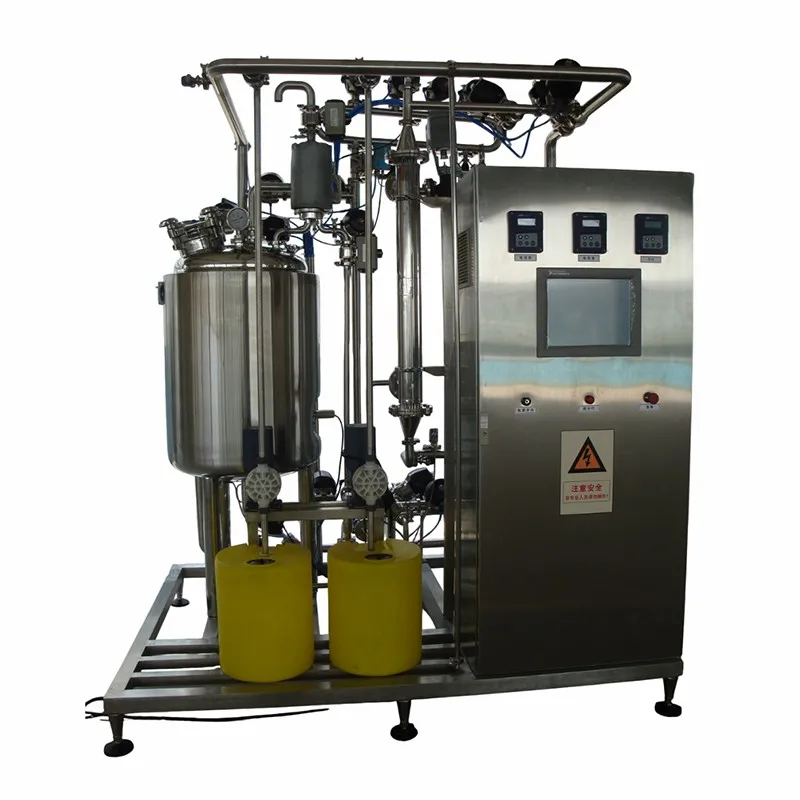
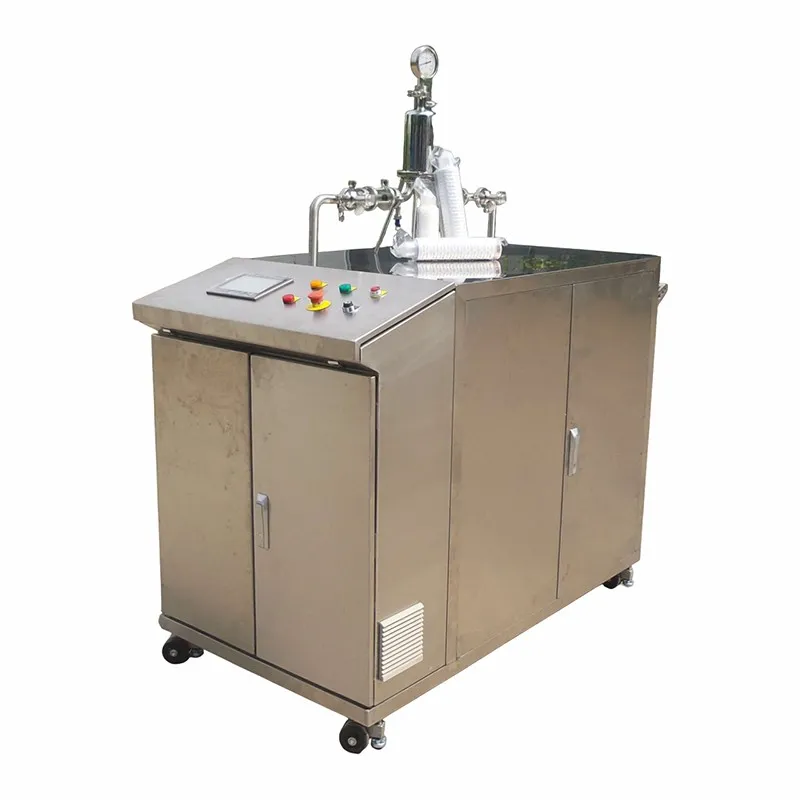
For instance, a CIP System (Clean-In-Place System) is commonly used in industries where hygiene is of utmost importance, such as food and beverage or pharmaceuticals. These systems are designed to clean the filters without disassembling them, using a combination of chemicals, water, and mechanical action.
On the other hand, a SIP System (Sterilize-In-Place System) is used to sterilize the filters and the entire system after cleaning. This is essential in industries where the risk of contamination is high.
Key Settings to Adjust
1. Pressure Settings
The pressure at which the cleaning solution is applied to the filters is a critical factor. Too low a pressure, and the cleaning may not be effective, leaving behind dirt and debris. Too high a pressure, and you risk damaging the filters.
To adjust the pressure settings, you'll usually find a pressure gauge and a control valve on your system. Start by referring to the manufacturer's guidelines for the recommended pressure range for your specific filters. Then, gradually increase or decrease the pressure using the control valve while monitoring the pressure gauge. It's a good idea to do some test runs and check the filters after each run to see if the cleaning is satisfactory.
2. Flow Rate
The flow rate of the cleaning solution determines how quickly the solution passes through the filters. A higher flow rate can speed up the cleaning process, but it may also reduce the contact time between the solution and the dirt, making the cleaning less thorough.
Most filter cleaning systems have a flow control valve that allows you to adjust the flow rate. Similar to adjusting the pressure, start with the manufacturer's recommendations and make small adjustments based on your observations. You can measure the flow rate using a flow meter, which is usually installed in the system.
3. Temperature Settings
The temperature of the cleaning solution can have a significant impact on its effectiveness. In general, warmer solutions can dissolve dirt and grease more easily, but some filters may be sensitive to high temperatures.
Check the filter manufacturer's specifications to find out the maximum and minimum temperature limits for the filters. Then, use the temperature control on your filter cleaning system to set the appropriate temperature. You may need to experiment a bit to find the optimal temperature for your specific cleaning needs.
4. Cleaning Time
The duration of the cleaning cycle is another important setting. A shorter cleaning time may not be sufficient to remove all the dirt, while a longer time may be a waste of resources and could potentially damage the filters.
The ideal cleaning time depends on several factors, such as the type and amount of dirt, the filter material, and the cleaning solution used. Start with the recommended cleaning time in the system's manual and adjust it based on the results of your cleaning tests.
Troubleshooting and Fine-Tuning
Even after adjusting the settings according to the guidelines, you may still encounter some issues. Here are some common problems and how to address them:
1. Incomplete Cleaning
If the filters are not being cleaned thoroughly, it could be due to incorrect pressure, flow rate, temperature, or cleaning time. Go back and double-check these settings. You may also need to increase the concentration of the cleaning solution or change the type of solution if the dirt is particularly stubborn.
2. Filter Damage
If you notice any signs of damage to the filters, such as holes or tears, it could be a result of excessive pressure or temperature. Reduce the pressure and temperature settings and see if the problem persists. If the damage continues, it may be necessary to replace the filters.
3. High Energy Consumption
If your filter cleaning system is using more energy than usual, it could be because the settings are not optimized. For example, a higher pressure or temperature than necessary can increase energy consumption. Review the settings and make adjustments to find the most energy-efficient combination.
Importance of Regular Maintenance
Adjusting the settings of your filter cleaning system is just one part of the equation. Regular maintenance is also crucial to ensure the system's long-term performance and reliability.
This includes cleaning the system itself, checking for leaks, replacing worn-out parts, and calibrating the sensors and controls. By keeping your system in good condition, you can avoid costly breakdowns and ensure that your filters are always clean and functioning properly.
Contact Us for More Information
If you're still having trouble adjusting the settings of your Filter Cleaning System or if you're interested in purchasing a new system, don't hesitate to reach out. Our team of experts is here to help you find the best solutions for your specific needs. Whether you need a CIP System or a SIP System, we've got you covered.
References
- Manufacturer's manuals of filter cleaning systems
- Industry standards for filter cleaning and maintenance
- Technical papers on the optimization of filter cleaning processes