

In the dynamic landscape of industrial manufacturing, maintaining high - quality standards is non - negotiable. For industries such as food and beverage, pharmaceuticals, and cosmetics, where product purity and safety are of utmost importance, a Clean - in - Place (CIP) System plays a crucial role. As a CIP System supplier, I understand the significance of ensuring that our systems comply with industry standards. This blog post aims to delve into how a CIP System can meet and exceed these standards.
Understanding Industry Standards for CIP Systems
Industry standards for CIP Systems are established to guarantee product safety, quality, and operational efficiency. These standards vary depending on the sector. In the pharmaceutical industry, for instance, the standards are governed by strict regulations from bodies like the Food and Drug Administration (FDA) in the United States and the European Medicines Agency (EMA) in Europe. These regulations mandate that pharmaceutical manufacturing equipment, including CIP Systems, must be designed, installed, and operated in a way that prevents cross - contamination, ensures product sterility, and allows for proper documentation of cleaning processes.
In the food and beverage industry, standards are set by organizations such as the International Organization for Standardization (ISO) and the Hazard Analysis and Critical Control Points (HACCP) system. These standards focus on preventing the growth of harmful microorganisms, eliminating residues of cleaning agents, and ensuring that the equipment is easy to clean and maintain.
Design and Construction Compliance
The first step in ensuring that a CIP System complies with industry standards is through proper design and construction. Our CIP Systems are engineered with materials that are compatible with the products being processed and the cleaning agents used. For example, in pharmaceutical applications, we use high - grade stainless steel (such as 316L) which is resistant to corrosion and can withstand the harsh chemicals used in cleaning and sterilization processes. This material also has a smooth surface finish, which reduces the risk of microbial adhesion and makes it easier to clean.
The design of the CIP System also takes into account factors such as flow rates, pressure, and temperature. These parameters are carefully calibrated to ensure effective cleaning without causing damage to the equipment. For instance, the flow rate of the cleaning solution must be sufficient to reach all areas of the equipment, including hard - to - reach corners and crevices. Our engineering team uses advanced computational fluid dynamics (CFD) simulations to optimize the design of the CIP System and ensure uniform cleaning across the entire system.
Moreover, the CIP System is designed to be modular and flexible. This allows for easy integration with existing production lines and enables future upgrades to meet changing industry requirements. The system is also equipped with sensors and control valves that can accurately monitor and adjust the cleaning parameters in real - time. For example, temperature sensors ensure that the cleaning solution is maintained at the optimal temperature for effective cleaning, while pressure sensors prevent over - pressurization of the system, which could lead to equipment damage.
Validation and Documentation
Validation is a critical aspect of ensuring compliance with industry standards. Our CIP Systems undergo a rigorous validation process before they are delivered to the customer. This process includes installation qualification (IQ), operational qualification (OQ), and performance qualification (PQ).
During the installation qualification, we verify that the CIP System is installed correctly according to the design specifications. This includes checking the alignment of pipes, the connection of sensors and control valves, and the grounding of the electrical components.
The operational qualification involves testing the system under normal operating conditions. We check the functionality of all components, such as pumps, valves, and heaters, and ensure that the system can operate within the specified parameters. For example, we test the flow rate, pressure, and temperature control of the cleaning solution to ensure that they are within the acceptable range.
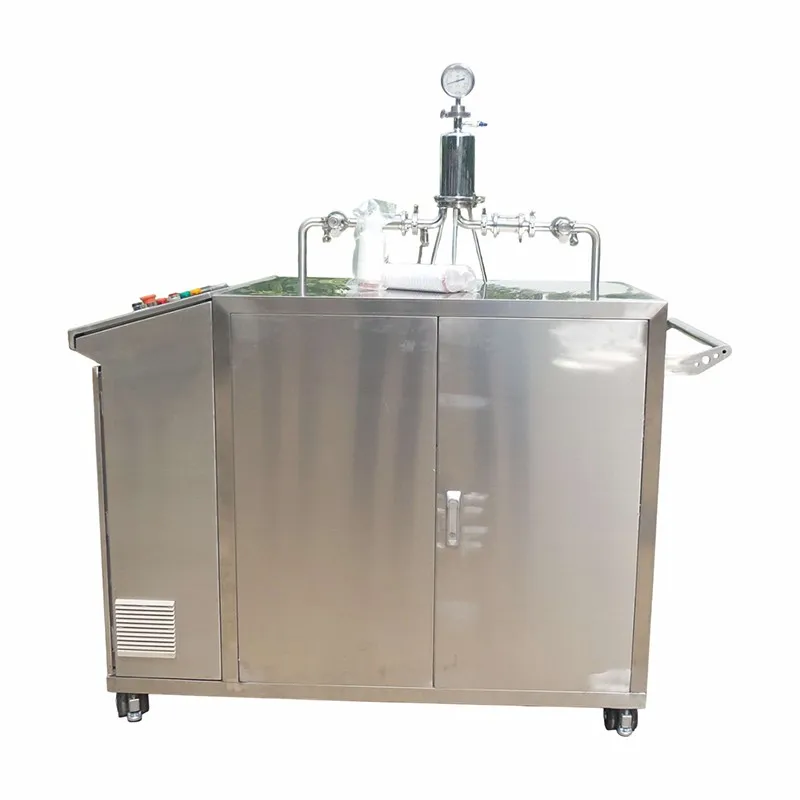

The performance qualification is the final step in the validation process. In this stage, we conduct actual cleaning cycles using representative products and cleaning agents to demonstrate that the CIP System can achieve the desired level of cleanliness. We collect samples from different parts of the equipment after the cleaning process and analyze them for the presence of residues, microorganisms, and other contaminants. The results of these tests are documented and used to prove that the CIP System meets the industry standards.
Documentation is also an essential part of compliance. We maintain detailed records of the design, installation, validation, and operation of the CIP System. These records include equipment manuals, calibration certificates, validation reports, and maintenance logs. These documents are made available to the customer and can be easily accessed for audits by regulatory authorities.
Automation and Control
Automation plays a vital role in ensuring the compliance of a CIP System with industry standards. Our CIP Systems are equipped with advanced control systems that can automate the entire cleaning process. This reduces the risk of human error and ensures that the cleaning process is consistent and repeatable.
The control system allows for the programming of different cleaning cycles based on the specific requirements of the product and the equipment. For example, a pharmaceutical product may require a more intensive cleaning cycle than a food product. The control system can also store historical data on cleaning cycles, including the date, time, duration, and cleaning parameters. This data can be used for trend analysis and to identify any potential issues with the cleaning process.
In addition, the control system is integrated with the overall production management system. This allows for seamless communication between the CIP System and other equipment in the production line, enabling coordinated operation and reducing downtime. For example, the CIP System can be automatically triggered when the production process is completed, ensuring that the equipment is cleaned in a timely manner.
Integration with Other Systems
A CIP System does not operate in isolation. It is often integrated with other systems such as Filter Cleaning System and SIP System. Ensuring that these systems work together harmoniously is crucial for compliance with industry standards.
Our CIP Systems are designed to be easily integrated with Filter Cleaning Systems. The filter is an important component in many production processes, and it needs to be cleaned regularly to maintain its efficiency. The CIP System can be programmed to clean the filter in a coordinated manner, ensuring that the filter is free from contaminants and can continue to function effectively.
Similarly, the integration with a SIP System (Sterilization - in - Place) is essential in pharmaceutical and some food and beverage applications. The SIP System is used to sterilize the equipment after the cleaning process. Our CIP Systems are designed to work in tandem with the SIP System, ensuring that the equipment is first thoroughly cleaned and then effectively sterilized. This integrated approach helps to meet the strict sterility requirements of these industries.
Training and Support
Even the most advanced CIP System will not comply with industry standards if it is not operated and maintained correctly. That's why we provide comprehensive training to our customers on how to operate and maintain the CIP System. Our training programs cover topics such as system operation, cleaning cycle programming, maintenance procedures, and safety protocols.
We also offer ongoing technical support to our customers. Our support team is available 24/7 to answer any questions, provide troubleshooting assistance, and offer advice on system upgrades and improvements. This ensures that the CIP System continues to operate at peak performance and remains compliant with industry standards throughout its lifecycle.
Conclusion
In conclusion, ensuring that a CIP System complies with industry standards is a multi - faceted process that involves design, construction, validation, automation, integration, and training. As a CIP System supplier, we are committed to providing our customers with high - quality CIP Systems that meet and exceed the strictest industry standards. Our expertise in engineering, validation, and support ensures that our customers can rely on our CIP Systems to maintain the highest levels of product quality and safety.
If you are in the market for a CIP System that complies with industry standards, we invite you to contact us for a detailed discussion on your specific requirements. Our team of experts will work closely with you to design and implement a CIP System that is tailored to your needs and helps you achieve your production goals.
References
- Food and Drug Administration (FDA). "Guidance for Industry: Sterile Drug Products Produced by Aseptic Processing – Current Good Manufacturing Practice".
- International Organization for Standardization (ISO). "ISO 22000:2018 - Food safety management systems – Requirements for any organization in the food chain".
- European Medicines Agency (EMA). "Good Manufacturing Practice (GMP) Guidelines for Medicinal Products for Human and Veterinary Use".