

In the realm of pharmaceutical manufacturing and various other industries, Clean-in-Place (CIP) systems have become an indispensable component for maintaining high standards of hygiene and operational efficiency. As a CIP System supplier, I often encounter inquiries from potential clients about how to calculate the payback period for a CIP System. Understanding this metric is crucial for businesses as it helps in making informed decisions regarding investments in such systems. In this blog post, I will guide you through the process of calculating the payback period for a CIP System, highlighting its significance and the factors that influence it.
Understanding the Payback Period
The payback period is a financial metric that measures the time required for an investment to generate enough cash flows to recover its initial cost. In the context of a CIP System, it represents the duration it takes for the savings and benefits derived from the system to equal the total investment made in purchasing, installing, and commissioning it. A shorter payback period indicates a more attractive investment, as it implies a quicker return on investment (ROI).
Factors Affecting the Payback Period of a CIP System
Before delving into the calculation process, it is essential to understand the key factors that can influence the payback period of a CIP System. These factors include:
- Initial Investment: The total cost of acquiring and installing a CIP System, including equipment, installation, training, and any associated fees.
- Operating Costs: The ongoing expenses related to the operation of the CIP System, such as energy consumption, water usage, chemical detergents, and maintenance.
- Labor Savings: The reduction in labor costs achieved by automating the cleaning process with a CIP System. This includes savings in manual labor hours, as well as the potential for reallocating employees to more value-added tasks.
- Production Efficiency: The improvement in production efficiency resulting from reduced downtime for cleaning and changeovers. A CIP System can significantly shorten the cleaning cycle, allowing for more frequent production runs and increased output.
- Product Quality and Yield: The enhanced product quality and yield achieved through consistent and thorough cleaning. This can lead to fewer product rejections, lower waste, and increased customer satisfaction.
- Regulatory Compliance: The cost savings associated with ensuring compliance with industry regulations and standards. A CIP System can help businesses avoid costly fines and penalties for non-compliance.
Calculating the Payback Period
To calculate the payback period for a CIP System, you need to follow these steps:
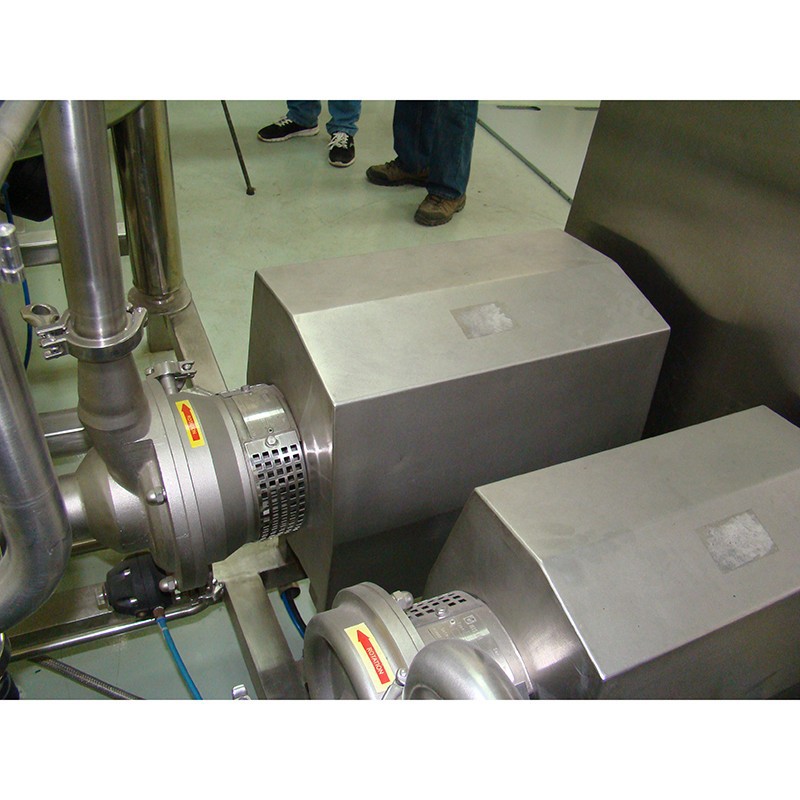

- Determine the Initial Investment: Calculate the total cost of purchasing, installing, and commissioning the CIP System. This includes the cost of equipment, installation, training, and any other associated expenses.
- Estimate the Annual Savings: Identify and quantify the annual savings and benefits derived from the CIP System. This includes labor savings, production efficiency gains, product quality improvements, and regulatory compliance cost savings.
- Calculate the Net Annual Cash Flow: Subtract the annual operating costs of the CIP System from the annual savings to determine the net annual cash flow.
- Determine the Payback Period: Divide the initial investment by the net annual cash flow to calculate the payback period in years.
The formula for calculating the payback period is as follows:
Payback Period (years) = Initial Investment / Net Annual Cash Flow
Let's illustrate this with an example:
Suppose a pharmaceutical company is considering investing in a CIP System with an initial investment of $200,000. The annual operating costs of the system are estimated to be $30,000, while the annual savings and benefits are projected to be $60,000.
- Initial Investment: $200,000
- Annual Savings: $60,000
- Annual Operating Costs: $30,000
- Net Annual Cash Flow: $60,000 - $30,000 = $30,000
- Payback Period: $200,000 / $30,000 = 6.67 years
In this example, the payback period for the CIP System is approximately 6.67 years. This means that it will take around 6.67 years for the company to recover its initial investment through the savings and benefits generated by the system.
Sensitivity Analysis
It is important to note that the payback period calculation is based on certain assumptions and estimates, which may not always reflect the actual performance of the CIP System. To account for this uncertainty, it is recommended to conduct a sensitivity analysis. This involves varying the key assumptions and parameters, such as the initial investment, operating costs, savings, and payback period, to assess their impact on the overall financial viability of the investment.
For example, you can analyze how the payback period would change if the annual savings were to increase or decrease by a certain percentage, or if the operating costs were to rise or fall. This will help you understand the potential risks and opportunities associated with the investment and make more informed decisions.
Importance of Calculating the Payback Period
Calculating the payback period for a CIP System is essential for several reasons:
- Financial Decision-Making: It provides a clear and objective measure of the financial viability of the investment. By comparing the payback period with the company's investment criteria and expected return on investment, businesses can determine whether the CIP System is a worthwhile investment.
- Budgeting and Planning: It helps in budgeting and planning for the acquisition and implementation of the CIP System. By knowing the payback period, businesses can allocate resources effectively and plan for the repayment of the investment.
- Risk Assessment: It allows businesses to assess the risks associated with the investment. A shorter payback period indicates a lower risk, as the investment is recovered more quickly. Conversely, a longer payback period may pose a higher risk, as it takes longer to recoup the initial investment.
- Performance Evaluation: It provides a benchmark for evaluating the performance of the CIP System over time. By comparing the actual payback period with the estimated payback period, businesses can assess the effectiveness of the system and identify areas for improvement.
Conclusion
Calculating the payback period for a CIP System is a crucial step in the decision-making process for businesses considering investing in such systems. By understanding the factors that influence the payback period and following the steps outlined in this blog post, you can make informed decisions about whether a CIP System is a worthwhile investment for your organization.
As a [CIP System supplier], we are committed to providing our clients with high-quality CIP Systems that offer significant savings and benefits. Our CIP System is designed to improve operational efficiency, enhance product quality, and ensure regulatory compliance. In addition to our CIP System, we also offer Filter Cleaning System and SIP System solutions to meet the diverse needs of our clients.
If you are interested in learning more about our CIP System or other related products and services, please do not hesitate to [contact us]. We would be happy to discuss your specific requirements and provide you with a detailed proposal.
References
- Smith, J. (2020). Clean-in-Place (CIP) Systems: A Comprehensive Guide. Pharmaceutical Manufacturing Magazine.
- Johnson, M. (2019). The Benefits of Investing in a CIP System. Food and Beverage Industry Journal.
- Brown, A. (2018). Calculating the Payback Period for Industrial Equipment Investments. Financial Management Review.