

As a CIP System supplier, I often get asked about how to measure the performance of a CIP System using Key Performance Indicators (KPIs). It's a crucial question because understanding the system's performance helps in optimizing operations, reducing costs, and ensuring product quality. In this blog, I'll share some insights on the KPIs you can use to measure the performance of a CIP System.
1. Cleaning Efficiency
One of the most important KPIs for a CIP System is cleaning efficiency. This measures how well the system removes contaminants from the equipment being cleaned. A high - cleaning efficiency means that the system is effectively eliminating dirt, bacteria, and other residues.
To measure cleaning efficiency, you can use methods like swab testing or ATP (adenosine triphosphate) bioluminescence testing. Swab testing involves taking samples from the cleaned surfaces and analyzing them in a laboratory to detect the presence of microorganisms or other contaminants. ATP testing, on the other hand, measures the amount of organic matter on a surface. A lower ATP reading after cleaning indicates higher cleaning efficiency.
For example, if you have a CIP System cleaning a fermentation tank in a brewery, you can take swab samples from different parts of the tank before and after the cleaning cycle. If the post - cleaning samples show a significant reduction in the number of bacteria or other contaminants, it means your CIP System is working efficiently.
2. Cycle Time
Cycle time is another vital KPI. It refers to the total time taken for a complete CIP cleaning cycle, from the start of the cleaning process to its end. A shorter cycle time is generally better as it allows for more frequent cleaning and less downtime for the equipment.
To optimize cycle time, you need to look at various factors such as the flow rate of the cleaning solutions, the temperature of the cleaning agents, and the duration of each cleaning step. For instance, if you increase the flow rate of the cleaning solution within the recommended limits, it can speed up the cleaning process. However, you also need to ensure that the increased flow rate doesn't cause any damage to the equipment.
You can track cycle time using the system's control panel or a data logging system. By analyzing the cycle time data over time, you can identify trends and make adjustments to improve the efficiency of the CIP System.
3. Chemical Consumption
Chemical consumption is a key metric that directly impacts the operating costs of a CIP System. Using too much cleaning chemicals not only increases costs but can also be harmful to the environment. On the other hand, using too little may result in ineffective cleaning.
To measure chemical consumption, you can install flow meters on the chemical supply lines. These flow meters will record the amount of cleaning chemicals used during each cleaning cycle. You can then compare the actual chemical consumption with the expected consumption based on the system's design and the cleaning requirements.
If you find that the chemical consumption is higher than expected, you may need to check for leaks in the system, adjust the concentration of the cleaning solutions, or optimize the dosing process. For example, some CIP Systems use automated dosing systems that can precisely control the amount of chemicals added based on the volume of the equipment being cleaned.
4. Water Usage
Water is a precious resource, and reducing water usage in a CIP System is not only environmentally friendly but also cost - effective. Measuring water usage is essential to ensure that the system is operating efficiently.
You can install water meters on the inlet and outlet of the CIP System to track the amount of water used during each cleaning cycle. Similar to chemical consumption, you can compare the actual water usage with the expected usage. If the water usage is high, you can look into options like recycling the water used in the initial rinse steps or adjusting the water flow rate.
For example, in a food processing plant, where large volumes of water are used for CIP cleaning, implementing a water recycling system can significantly reduce water consumption.
5. Energy Consumption
Energy consumption is closely related to the overall cost of operating a CIP System. The energy is mainly used for heating the cleaning solutions, running the pumps, and operating the control systems.
To measure energy consumption, you can use energy meters installed on the electrical circuits powering the CIP System. By monitoring the energy consumption, you can identify areas where energy can be saved. For example, if the heating system of the CIP System is consuming a large amount of energy, you can consider insulating the pipes carrying the hot cleaning solutions to reduce heat loss.
You can also look into using more energy - efficient pumps and motors. Some modern CIP Systems are designed with energy - saving features such as variable frequency drives (VFDs) for the pumps, which can adjust the pump speed according to the system's requirements.
6. Equipment Uptime
Equipment uptime refers to the amount of time the equipment is available for production after the CIP cleaning. A high equipment uptime means that the CIP System is not causing excessive downtime for the production process.
To improve equipment uptime, you need to ensure that the CIP System is reliable and that the cleaning cycles are completed within the expected time. You can also perform regular maintenance on the CIP System to prevent breakdowns. For example, if you have a CIP System in a pharmaceutical manufacturing plant, any unplanned downtime can lead to significant losses in production.
You can track equipment uptime by recording the start and end times of the production runs and comparing them with the CIP cleaning schedules.
7. Compliance with Standards
In many industries, CIP Systems need to comply with various regulatory standards such as FDA (Food and Drug Administration) regulations in the food and pharmaceutical industries. Compliance is a critical KPI as non - compliance can lead to fines, product recalls, and damage to the company's reputation.
To ensure compliance, you need to document all aspects of the CIP System's operation, including the cleaning procedures, chemical usage, and equipment maintenance. You can also conduct regular audits to check if the CIP System is meeting the required standards.
For example, in a pharmaceutical facility, the CIP System used for cleaning the production equipment must meet strict hygiene and safety standards. Regular inspections and documentation are necessary to prove compliance.
8. Cost per Clean
Cost per clean is a comprehensive KPI that takes into account all the costs associated with a single CIP cleaning cycle, including chemical costs, water costs, energy costs, and labor costs. By calculating the cost per clean, you can get a clear picture of the overall cost - effectiveness of the CIP System.
To calculate the cost per clean, you need to add up all the costs incurred during a cleaning cycle and divide it by the number of cleaning cycles. If the cost per clean is too high, you can analyze each cost component and look for ways to reduce it. For instance, if the labor cost is high, you can consider automating some of the tasks in the cleaning process.
How These KPIs Interact
It's important to note that these KPIs are interrelated. For example, if you try to reduce the cycle time, it may increase the chemical consumption or energy consumption. Similarly, if you try to reduce chemical consumption, it may affect the cleaning efficiency.

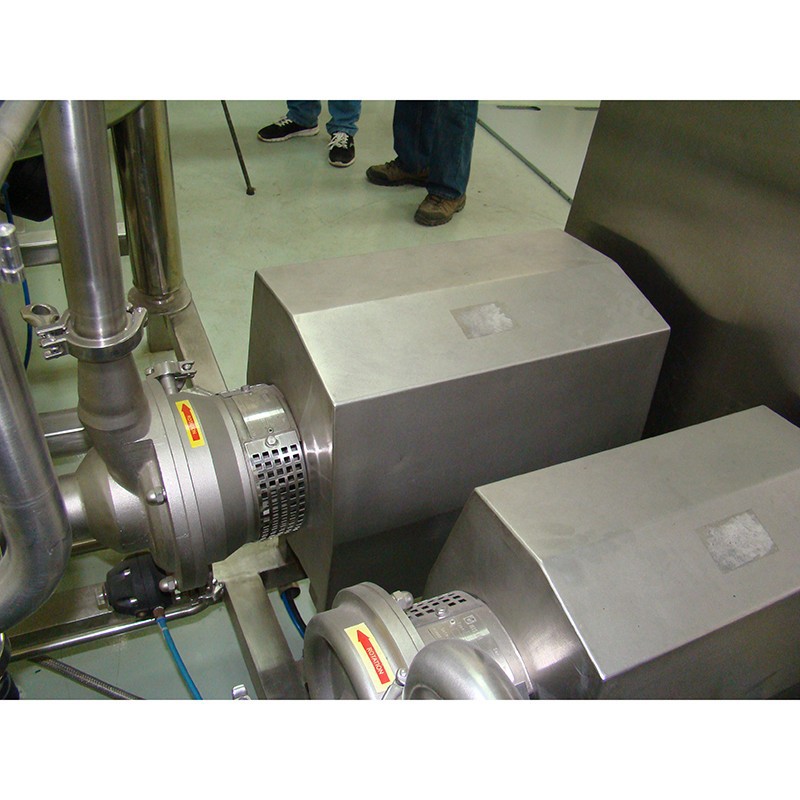
Therefore, when measuring the performance of a CIP System, you need to take a holistic approach. You should look at all the KPIs together and find the right balance to optimize the system's performance.
Conclusion
Measuring the performance of a CIP System using KPIs is essential for ensuring its efficiency, reducing costs, and meeting regulatory requirements. By focusing on cleaning efficiency, cycle time, chemical consumption, water usage, energy consumption, equipment uptime, compliance with standards, and cost per clean, you can get a comprehensive understanding of how well your CIP System is performing.
If you're in the market for a new CIP System, or if you want to improve the performance of your existing system, we're here to help. Our team of experts can provide you with customized solutions and advice to optimize your CIP System based on your specific needs. Whether you're in the food, beverage, pharmaceutical, or any other industry that requires CIP cleaning, we have the experience and knowledge to support you.
We also offer related systems such as SIP System and Filter Cleaning System to meet all your cleaning requirements. If you're interested in learning more about our products and services or want to discuss a potential purchase, feel free to reach out to us. We're looking forward to having a conversation with you and helping you take your cleaning operations to the next level.
References
- "Clean-in-Place (CIP) Systems: Design, Operation, and Validation" by various industry experts.
- Industry whitepapers on CIP System optimization and performance measurement.
- Technical manuals provided by CIP System manufacturers.