

Hey there! As a supplier of SIP Systems, I often get asked about the hardware required for these systems. So, I thought I'd write this blog to break it down for you.
First off, let's quickly understand what a SIP System is. SIP stands for Sterilization in Place. It's a crucial process in industries like pharmaceuticals, food and beverage, and biotechnology. It allows for the sterilization of equipment and piping systems without having to disassemble them. You can learn more about it here.
1. Steam Generation Equipment
One of the most fundamental pieces of hardware for a SIP System is the steam generator. Steam is the primary medium used for sterilization in SIP processes.
There are different types of steam generators available, and the choice depends on the size and requirements of your system. Electric steam generators are great for smaller setups. They're easy to install and operate. They heat water using electric elements to produce steam. On the other hand, gas-fired steam generators are more suitable for larger industrial applications. They can generate a large volume of steam quickly and are often more cost - effective in the long run.
The steam quality is also super important. You need to ensure that the steam is of high purity, free from contaminants like oil and other impurities. This is because any impurities in the steam can potentially contaminate the system being sterilized. To achieve this, you might need additional steam treatment equipment such as steam separators and filters. These help in removing any moisture and particles from the steam before it enters the SIP system.
2. Piping and Valves
Piping is like the circulatory system of a SIP System. It's responsible for transporting steam and other fluids throughout the system. The piping material needs to be carefully chosen. Stainless steel is a popular choice because it's resistant to corrosion, can withstand high temperatures and pressures, and is easy to clean.
Valves play a crucial role in controlling the flow of steam and other fluids in the system. There are different types of valves used in SIP Systems. Ball valves are commonly used for on - off control. They're simple, reliable, and can handle high - pressure applications. Globe valves, on the other hand, are better for throttling the flow. They allow for more precise control of the fluid flow rate.
You also need to have check valves in the system. These prevent the backflow of steam or other fluids, ensuring that the flow is always in the desired direction. This is important for maintaining the integrity of the sterilization process.
3. Temperature and Pressure Sensors
Accurate monitoring of temperature and pressure is essential for a successful SIP process. Temperature sensors, such as thermocouples and resistance temperature detectors (RTDs), are used to measure the temperature at different points in the system. The sterilization process usually requires a specific temperature to be maintained for a certain period of time to ensure that all microorganisms are killed.

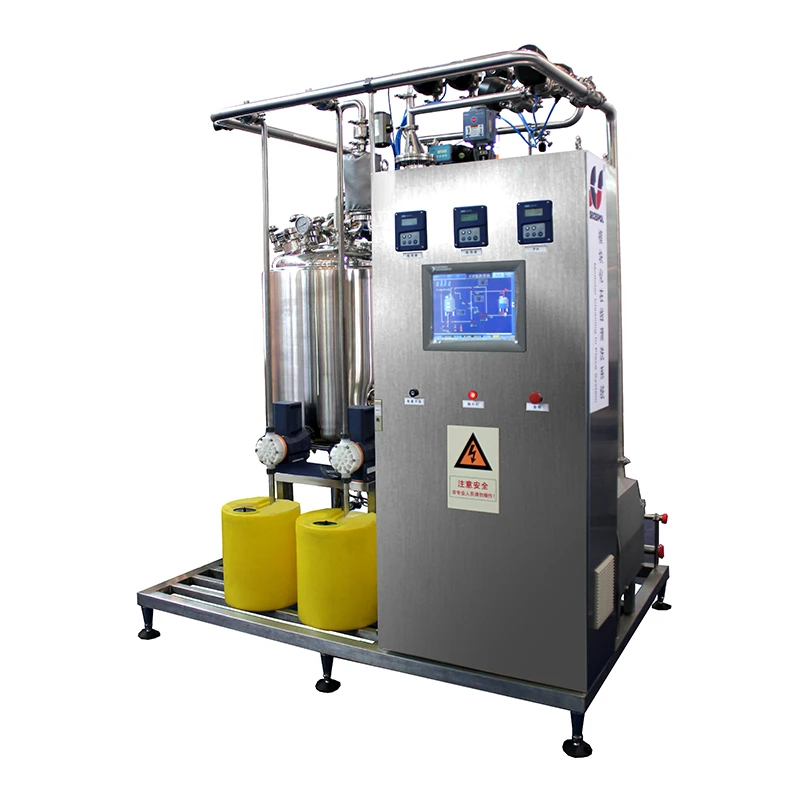
Pressure sensors are used to monitor the pressure in the piping and vessels. Maintaining the right pressure is crucial for the proper functioning of the system. If the pressure is too high, it can cause damage to the piping and equipment. If it's too low, the steam might not be able to reach all the areas that need to be sterilized.
These sensors are usually connected to a control system, which can adjust the steam flow and other parameters based on the readings. This helps in maintaining a consistent and effective sterilization process.
4. Control Panel and Automation System
A control panel is the brain of the SIP System. It allows operators to monitor and control all the functions of the system. The control panel is usually equipped with a human - machine interface (HMI), which provides a user - friendly way to interact with the system. Through the HMI, operators can set the temperature, pressure, and time parameters for the sterilization process.
Automation systems are becoming increasingly important in SIP Systems. They can automate the entire sterilization process, from steam generation to the final rinse. This reduces the need for manual intervention, which in turn reduces the risk of human error. Automation systems can also collect and store data about the sterilization process, which can be useful for quality control and regulatory compliance.
5. Vessels and Tanks
In some SIP Systems, vessels and tanks are used to hold the product or the fluid being sterilized. These vessels need to be designed to withstand the high temperatures and pressures of the sterilization process. They also need to be easy to clean and maintain.
Just like the piping, vessels are often made of stainless steel. They may also have additional features such as agitators to ensure uniform mixing of the contents during the sterilization process. Some vessels are equipped with sight glasses, which allow operators to visually inspect the contents inside.
6. Filter Cleaning System
In a SIP System, filters are used to remove contaminants from the steam and other fluids. Over time, these filters can get clogged, which can affect the performance of the system. That's where a Filter Cleaning System comes in.
A filter cleaning system can automatically clean the filters at regular intervals. This helps in maintaining the efficiency of the filters and ensures that the steam and other fluids remain clean. There are different types of filter cleaning systems available, such as back - flush systems and ultrasonic cleaning systems.
7. CIP System Integration
Many SIP Systems are integrated with a CIP (Cleaning in Place) System. A CIP System is used for cleaning the equipment and piping before and after the SIP process. It uses cleaning solutions to remove dirt, debris, and other contaminants from the system.
Integrating a CIP System with a SIP System can streamline the cleaning and sterilization process. It allows for a more efficient use of resources and reduces the time required for manual cleaning. The CIP System can be controlled through the same control panel as the SIP System, making it easier for operators to manage the entire process.
Contact for Purchase and洽谈
If you're in the market for a SIP System and are interested in learning more about the hardware options we offer, or if you have any questions regarding the installation, operation, or maintenance of these systems, don't hesitate to reach out. We're here to help you find the perfect solution for your specific needs. Whether you're a small - scale producer or a large - scale industrial operation, we've got the expertise and the hardware to meet your requirements.
References
- "Sterilization Technology in the Pharmaceutical Industry" - A comprehensive guide on sterilization processes and equipment.
- "Piping and Instrumentation Diagrams for Industrial Systems" - A useful resource for understanding the layout and components of SIP and related systems.
- "Automation in Industrial Sterilization" - Discusses the role of automation in modern SIP Systems.