

Hey there! As a supplier of CIP Systems, I've seen firsthand the confusion that often arises when people try to figure out the difference between a manual cleaning system and a CIP (Clean-in-Place) System. So, let's dive right in and break it down.
Manual Cleaning System: The Traditional Approach
Manual cleaning systems have been around for ages. They're the tried-and-true method that many industries have relied on for cleaning their equipment. With a manual cleaning system, workers physically disassemble the equipment, take the parts to a cleaning area, and then clean them using various tools like brushes, sponges, and cleaning agents.
One of the biggest advantages of a manual cleaning system is its flexibility. Workers can really get in there and give each part a thorough scrub, especially in hard-to-reach areas. It's also a relatively low-cost option upfront, as you don't need to invest in expensive automated equipment.
However, manual cleaning systems also have their drawbacks. First of all, it's a time-consuming process. Disassembling and reassembling equipment takes a lot of time, which means less time for production. And let's face it, it's also labor-intensive. Workers have to do all the heavy lifting, literally, and it can be physically demanding.
Another issue with manual cleaning is the consistency of the cleaning. Different workers may have different cleaning techniques, which can lead to inconsistent results. And there's always the risk of human error, like not cleaning a part thoroughly or accidentally damaging the equipment during disassembly.
CIP System: The Modern Solution
Now, let's talk about CIP Systems. A CIP System is an automated cleaning process that cleans the equipment in place, without the need for disassembly. The system uses a combination of cleaning agents, water, and mechanical action to clean the inside of the equipment.
One of the biggest advantages of a CIP System is its efficiency. Since the equipment doesn't need to be disassembled, the cleaning process can be completed much faster. This means less downtime for production and more time to make money.
CIP Systems also offer better consistency in cleaning. The system is programmed to follow a specific cleaning cycle, which ensures that every part of the equipment is cleaned to the same standard every time. This is especially important in industries like food and beverage, pharmaceuticals, and cosmetics, where strict hygiene standards must be met.
Another benefit of a CIP System is its safety. Since workers don't need to disassemble and handle the equipment, there's less risk of injury. And the system can be designed to use less cleaning agents, which is better for the environment.
Key Differences Between Manual Cleaning and CIP Systems
Let's summarize the key differences between manual cleaning systems and CIP Systems:
- Time and Labor: Manual cleaning is time-consuming and labor-intensive, while CIP Systems are much faster and require less labor.
- Consistency: Manual cleaning can be inconsistent, while CIP Systems offer a high level of consistency in cleaning.
- Safety: Manual cleaning can be dangerous, especially when dealing with large or heavy equipment, while CIP Systems are safer for workers.
- Cost: Manual cleaning has a lower upfront cost, but the long-term cost can be higher due to labor and downtime. CIP Systems have a higher upfront cost, but they can save money in the long run by reducing labor and downtime.
When to Choose a Manual Cleaning System or a CIP System
So, when should you choose a manual cleaning system and when should you choose a CIP System? Well, it depends on several factors, including the type of equipment, the level of hygiene required, and the budget.
If you have small, simple equipment that doesn't require frequent cleaning, a manual cleaning system may be sufficient. It's also a good option if you have a limited budget and can afford to have some downtime for cleaning.

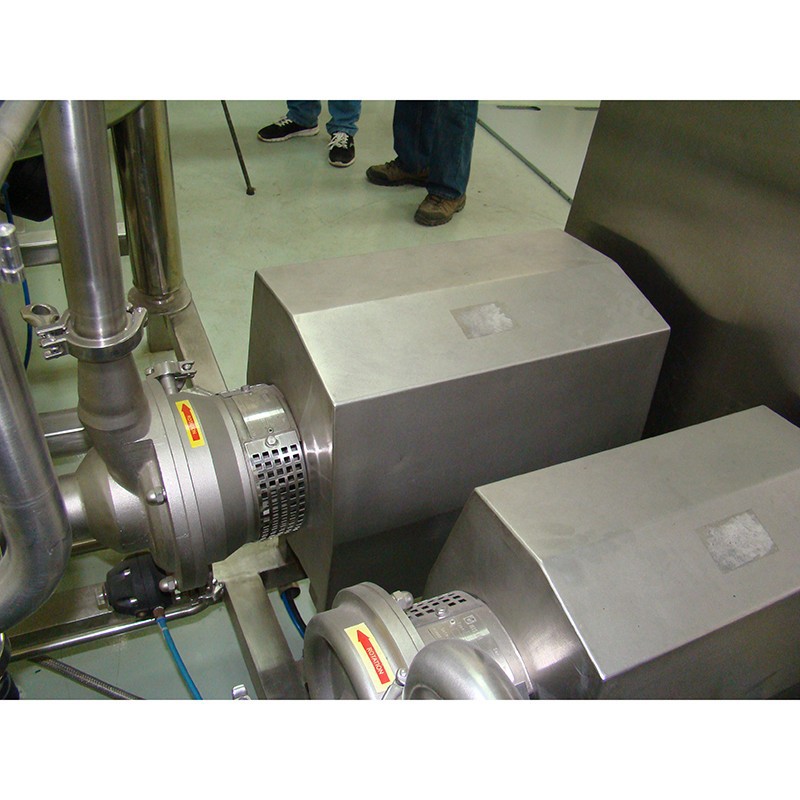
On the other hand, if you have large, complex equipment that needs to be cleaned regularly, a CIP System is probably the way to go. It's especially important in industries where strict hygiene standards must be met, like food and beverage, pharmaceuticals, and cosmetics.
Related Systems: Filter Cleaning System and SIP System
In addition to CIP Systems, there are also other related cleaning systems that you may be interested in. One of them is the Filter Cleaning System. This system is designed to clean filters, which are an important part of many industrial processes. A Filter Cleaning System can help to extend the life of the filters and improve the efficiency of the process.
Another related system is the SIP System. SIP stands for Sterilization-in-Place, and it's a process that sterilizes the equipment in place. This is especially important in industries where a high level of sterility is required, like pharmaceuticals and biotechnology.
Conclusion
In conclusion, both manual cleaning systems and CIP Systems have their pros and cons. The key is to choose the system that best suits your needs and budget. If you're still not sure which system is right for you, don't hesitate to contact us. As a CIP System supplier, we have the expertise and experience to help you make the right decision.
We offer a wide range of CIP Systems that are designed to meet the needs of different industries. Our systems are reliable, efficient, and easy to use, and we can customize them to fit your specific requirements.
So, if you're looking for a better way to clean your equipment, consider a CIP System. It could be the solution you've been looking for.
References
- "Clean-in-Place (CIP) Systems: A Comprehensive Guide." Food Engineering Magazine.
- "Manual Cleaning vs. Automated Cleaning: Which is Right for Your Business?" Industrial Cleaning Journal.
- "The Benefits of Filter Cleaning Systems in Industrial Processes." Filtration Technology Review.
- "Sterilization-in-Place (SIP) Systems: Ensuring High-Level Sterility in Pharmaceutical Manufacturing." Pharmaceutical Technology.