

In today's fast - paced digital era, the integration of technology into various aspects of business operations has become a necessity. As a supplier of SIP System, I often encounter inquiries about the compatibility of our systems with mobile devices. This blog post aims to explore whether a SIP System can be used on mobile devices, delving into the technical aspects, benefits, challenges, and potential use cases.
Technical Feasibility of Using SIP System on Mobile Devices
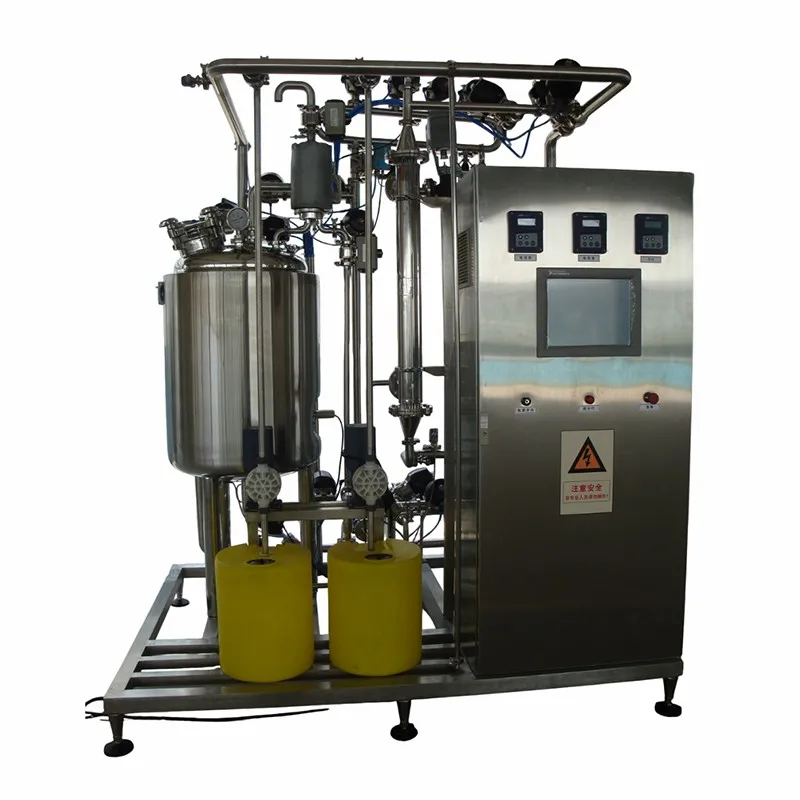
The foundation of understanding whether a SIP System can be used on mobile devices lies in the underlying technology. SIP, or Sterile - in - Place System, is commonly used in industries such as pharmaceuticals, food and beverage, and biotechnology for cleaning and sterilizing equipment without disassembly.
From a technical perspective, the core functions of a SIP System involve controlling valves, regulating temperature, and monitoring pressure and flow rates. These functions can be translated into digital signals that can be transmitted and received. Mobile devices, equipped with modern operating systems and communication capabilities, can potentially interact with the SIP System through various communication protocols.
Most modern SIP Systems are designed with flexibility in mind. They often support standard communication interfaces such as Ethernet, Wi - Fi, and Bluetooth. Mobile devices, on the other hand, are inherently capable of connecting to networks via Wi - Fi or cellular data and also support Bluetooth connectivity. This means that there is a technical pathway for a mobile device to communicate with a SIP System.
For example, a mobile application can be developed to interface with the SIP System's control unit. The application can send commands to start or stop the sterilization process, adjust temperature settings, and receive real - time data on pressure and flow rates. This is similar to how many industrial control systems are now being integrated with mobile technology for remote monitoring and control.
Benefits of Using SIP System on Mobile Devices
Remote Monitoring and Control
One of the most significant benefits of using a SIP System on mobile devices is the ability to monitor and control the system remotely. In industries where production processes run continuously, operators may not always be physically present near the SIP System. With a mobile device, they can access the system from anywhere, at any time. This allows for quick responses to any issues that may arise during the sterilization process, such as abnormal pressure or temperature readings.
Increased Efficiency
Mobile access to the SIP System can streamline operations. Operators can initiate the sterilization process while on the move, reducing downtime between production batches. They can also receive notifications on their mobile devices when the process is complete or if there are any alarms, enabling them to take immediate action. This real - time information can lead to more efficient use of resources and increased overall productivity.

Data Accessibility
Mobile devices provide easy access to historical data and reports generated by the SIP System. Operators can review past sterilization cycles, analyze trends, and make informed decisions about system maintenance and optimization. This data - driven approach can help improve the quality of the sterilization process and ensure compliance with industry regulations.
Challenges of Using SIP System on Mobile Devices
Security Concerns
When connecting a SIP System to mobile devices, security becomes a major concern. The system contains sensitive information about production processes, and unauthorized access could lead to data breaches or disruptions in operations. It is crucial to implement robust security measures, such as encryption, user authentication, and access controls, to protect the system from cyber threats.
Compatibility Issues
Not all mobile devices may be compatible with the SIP System. Different operating systems (e.g., iOS and Android) have their own development frameworks and security policies. Developing a mobile application that works seamlessly across a wide range of devices can be challenging. Additionally, the SIP System's control unit may need to be updated to support the latest mobile communication standards.
Network Reliability
The performance of the mobile - SIP System connection depends on the reliability of the network. In industrial environments, Wi - Fi signals may be weak or unstable, and cellular coverage may be limited. A poor network connection can lead to delays in data transmission, inaccurate control commands, and loss of real - time monitoring capabilities.
Potential Use Cases
Pharmaceutical Manufacturing
In pharmaceutical manufacturing, strict regulations govern the sterilization of equipment. Using a SIP System on mobile devices allows quality control personnel to monitor the sterilization process in real - time, even when they are in different parts of the facility. This ensures that the equipment is properly sterilized, reducing the risk of contamination in the production of drugs.
Food and Beverage Industry
In the food and beverage industry, SIP Systems are used to clean and sterilize processing equipment. Mobile access to the system enables operators to manage the cleaning process more efficiently, especially in large - scale production facilities. They can monitor multiple SIP Systems simultaneously from their mobile devices, ensuring that all equipment meets the required hygiene standards.
Comparison with Related Systems
It is also worth comparing the use of a SIP System on mobile devices with related systems such as Filter Cleaning System and CIP System.
Filter cleaning systems are used to clean filters in industrial processes. Similar to SIP Systems, they can benefit from mobile device integration for remote monitoring and control. However, the functions and requirements of filter cleaning systems are more focused on filter - specific parameters such as filtration efficiency and clogging.
CIP (Clean - in - Place) Systems are used for cleaning the interior surfaces of process equipment. While both SIP and CIP systems involve cleaning, SIP is specifically for sterilization. Mobile access to CIP Systems can also improve efficiency, but the sterilization aspect of SIP Systems adds an extra layer of complexity and importance in terms of regulatory compliance.
Conclusion and Call to Action
In conclusion, a SIP System can indeed be used on mobile devices, offering significant benefits in terms of remote monitoring, control, and efficiency. However, it also comes with challenges such as security and compatibility that need to be addressed.
As a SIP System supplier, we are committed to developing solutions that leverage mobile technology to enhance the functionality and usability of our systems. If you are interested in exploring how our SIP System can be integrated with mobile devices for your business, we invite you to contact us for a detailed discussion. Our team of experts can provide you with more information on the technical aspects, implementation process, and potential benefits of using our SIP System on mobile devices. Let's work together to optimize your production processes and ensure the highest standards of quality and safety.
References
- Industrial Automation Handbook: Covers general principles of industrial control systems and their integration with mobile technology.
- Pharmaceutical Manufacturing Regulations: Provides guidelines on the use of SIP Systems in the pharmaceutical industry.
- Mobile Application Development for Industrial Use: Discusses the challenges and best practices in developing mobile applications for industrial control systems.