

As a trusted supplier of the Filter Cleaning System, I understand the importance of maintaining the optimal performance of this crucial equipment. Cleaning the filter cleaning system itself is a vital process that ensures its efficiency, longevity, and the quality of the filtration it provides. In this blog, I will share detailed insights on how to clean the filter cleaning system, covering various aspects from understanding the system to the step - by - step cleaning procedures.
Understanding the Filter Cleaning System
Before delving into the cleaning process, it's essential to have a comprehensive understanding of the filter cleaning system. This system is designed to remove contaminants from fluids or gases, and it consists of several components such as filters, housings, valves, pumps, and control systems. Each part plays a specific role in the overall filtration process.
The filters are the heart of the system, responsible for capturing and retaining particles. Over time, these filters become clogged with debris, which reduces their filtration efficiency. The housings protect the filters and provide a sealed environment for the filtration process. Valves control the flow of the fluid or gas, and pumps ensure the proper movement of the medium through the system. The control system monitors and regulates the operation of the entire system.
Pre - cleaning Preparations
- Safety First: Always follow safety protocols before starting the cleaning process. Wear appropriate personal protective equipment (PPE) such as gloves, goggles, and protective clothing. This is especially important if the system has been handling hazardous materials.
- Shut Down the System: Completely shut down the filter cleaning system and isolate it from the power source. This prevents any accidental startup during the cleaning process, which could lead to injuries.
- Drain the System: Carefully drain all the fluid or gas from the system. This can be done by opening the appropriate drain valves. Make sure to collect the drained material in a proper container for disposal or reuse, depending on its nature.
- Inspect the System: Conduct a visual inspection of the system to identify any visible signs of damage, wear, or excessive contamination. Look for leaks, cracks, or loose connections. Note down any issues that need to be addressed during or after the cleaning process.
Cleaning the Filters
- Remove the Filters: Open the filter housings and carefully remove the filters. Depending on the type of filter, this may require the use of specific tools. Be gentle to avoid damaging the filters.
- Rinse the Filters: Rinse the filters with a suitable cleaning solution. For many applications, water is a good starting point. If the filters are heavily contaminated, a mild detergent or a specialized cleaning agent may be used. Make sure to follow the manufacturer's recommendations for the cleaning solution.
- Soak the Filters: If the contamination is severe, soak the filters in a cleaning solution for a specified period. This allows the cleaning agent to break down the contaminants. The soaking time can vary depending on the type and degree of contamination.
- Brush or Agitate the Filters: Use a soft - bristle brush to gently scrub the filters to remove stubborn contaminants. You can also agitate the filters in the cleaning solution to enhance the cleaning effect. Avoid using abrasive brushes that could damage the filter media.
- Rinse Again: After soaking and brushing, rinse the filters thoroughly with clean water to remove all traces of the cleaning solution and contaminants.
- Dry the Filters: Allow the filters to dry completely before reinstalling them. This can be done by air - drying or using a low - heat drying method, as recommended by the filter manufacturer.
Cleaning the Housing and Other Components
- Clean the Housings: Use a cleaning solution and a brush to clean the inside of the filter housings. Pay special attention to the corners and crevices where contaminants can accumulate. Rinse the housings thoroughly with clean water.
- Clean the Valves and Pumps: Valves and pumps can also become contaminated over time. Disassemble them if possible and clean each part separately. Use a suitable cleaning solution and a brush to remove the contaminants. Reassemble the valves and pumps carefully after cleaning.
- Clean the Control System: Wipe the control panels and sensors with a clean, dry cloth. If there is dust or dirt on the control system, use a compressed air canister to blow away the debris. Avoid using liquids on the control system unless specifically recommended by the manufacturer.
Using SIP System and CIP System
In some cases, especially in pharmaceutical and food processing industries, SIP (Sterilization in Place) and CIP (Cleaning in Place) systems can be used to clean the filter cleaning system.

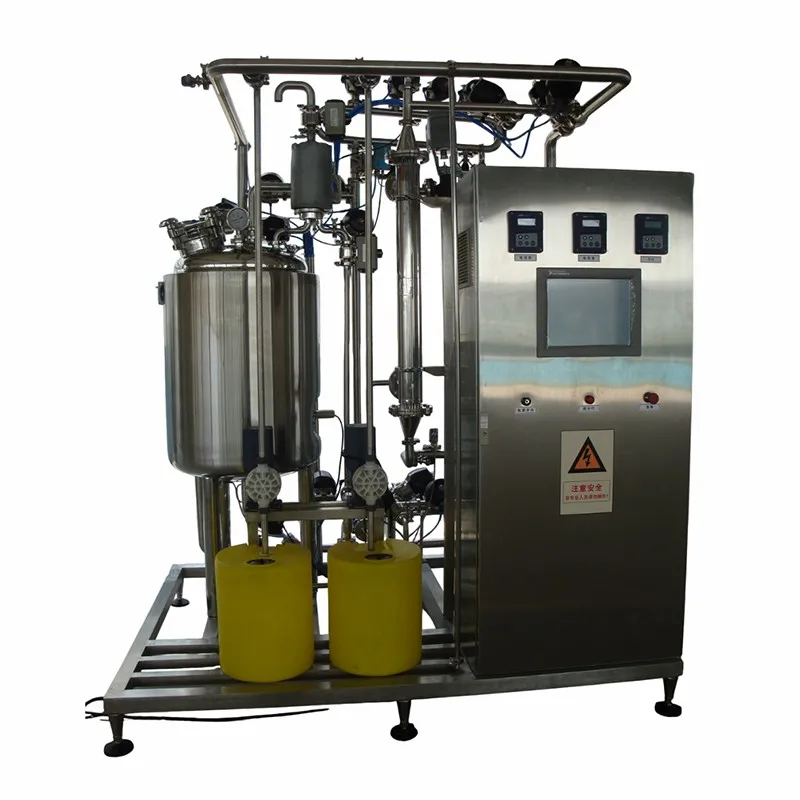
- CIP System: A CIP system is designed to clean the interior surfaces of process equipment without disassembling it. It uses a series of cleaning cycles with different cleaning solutions and water rinses. The cleaning solutions are circulated through the system using pumps, and the entire process is controlled by a programmable logic controller (PLC).
- SIP System: An SIP system is used to sterilize the system after cleaning. It typically uses steam to kill microorganisms. The steam is introduced into the system at a specific temperature and pressure for a set period to ensure complete sterilization.
Reassembling and Testing the System
- Reinstall the Filters: Once the filters are dry, carefully reinstall them in the filter housings. Make sure they are properly seated and sealed.
- Reassemble the System: Reassemble all the components of the filter cleaning system, including the housing, valves, and pumps. Check all the connections to ensure they are tight and leak - free.
- Fill the System: Fill the system with the appropriate fluid or gas.
- Test the System: Start the system and monitor its operation. Check for any leaks, abnormal noises, or malfunctions. Measure the pressure, flow rate, and other operating parameters to ensure that the system is functioning properly.
Maintenance and Regular Cleaning Schedule
- Establish a Maintenance Schedule: Develop a regular maintenance and cleaning schedule for the filter cleaning system. This helps to prevent excessive contamination and prolong the lifespan of the system.
- Keep Records: Keep detailed records of all cleaning and maintenance activities. This includes the date of cleaning, the type of cleaning solution used, any issues encountered, and the results of the post - cleaning tests. These records can be useful for troubleshooting and for demonstrating compliance with regulatory requirements.
Conclusion
Cleaning the filter cleaning system itself is a complex but essential process that ensures the efficient and reliable operation of the system. By following the steps outlined above, you can maintain the performance of the system, extend its lifespan, and ensure the quality of the filtration it provides.
If you are in the market for a high - quality Filter Cleaning System or need more information on system maintenance and cleaning, I encourage you to reach out for a procurement discussion. We are committed to providing the best solutions and support to meet your filtration needs.
References
- Manufacturer's manuals for the filter cleaning system
- Industry standards and guidelines for filtration system cleaning and maintenance