

Hey there! As a supplier of CIP (Clean-in-Place) Systems, I'm super stoked to break down how these nifty systems work. If you're in the industry, you know how crucial it is to keep your equipment spick and span, and that's where CIP Systems come into play.
Let's start with the basics. A CIP System is designed to clean the interior surfaces of pipes, vessels, process equipment, and other components without disassembling them. This is a game - changer in industries like food and beverage, pharmaceuticals, and cosmetics, where hygiene is non - negotiable.
The Key Components of a CIP System
First off, we've got the solution tanks. These are like the heart of the CIP System. There are usually multiple tanks for different cleaning solutions. For instance, one tank might hold a caustic solution for heavy - duty cleaning, while another could store an acid solution for descaling. There's also a tank for fresh water, which is used for rinsing.
Next up are the pumps. Pumps are responsible for moving the cleaning solutions through the system. They create the necessary pressure to ensure that the solutions reach every nook and cranny of the equipment being cleaned. There are different types of pumps, such as centrifugal pumps, which are commonly used because they're efficient and can handle a variety of fluids.
The valves are another important part. Valves control the flow of the cleaning solutions. They can direct the solution from one tank to the equipment, and then to the drain or back to the tank for recycling. There are different types of valves, like ball valves and diaphragm valves, each with its own advantages depending on the application.
We also have the spray devices. These are used to distribute the cleaning solution evenly over the surfaces to be cleaned. In tanks, you might have rotary spray heads that spin and cover a large area. In pipes, there are nozzles that can spray the solution at high pressure to remove stubborn residues.
The Cleaning Process
The CIP process typically consists of several stages. The first stage is usually a pre - rinse. In this stage, fresh water is pumped through the system to remove any loose debris or large particles. This helps to prevent clogging in the subsequent stages and makes the main cleaning more effective.
After the pre - rinse, it's time for the main cleaning. The caustic or acid solution is pumped into the system. The type of solution used depends on the nature of the residues. For example, in the food industry, a caustic solution might be used to remove fats and proteins, while in the pharmaceutical industry, an acid solution could be used to remove mineral deposits. The solution is circulated through the system for a set period, usually under a specific temperature and pressure, to ensure that it can break down and dissolve the residues.
Once the main cleaning is done, there's a rinse stage. Fresh water is pumped through the system again to remove the cleaning solution and any remaining residues. This rinse is crucial because any leftover cleaning solution could contaminate the next batch of product.
In some cases, there might be a final sanitization stage. In this stage, a sanitizing agent, like a mild bleach solution, is used to kill any remaining bacteria or microorganisms. This is especially important in industries where product safety is a top priority, such as the pharmaceutical and food industries.
The Role of Automation
Most modern CIP Systems are highly automated. Automation allows for precise control of the cleaning process. You can set the temperature, pressure, flow rate, and duration of each stage. This ensures that the cleaning is consistent and repeatable, which is essential for quality control.

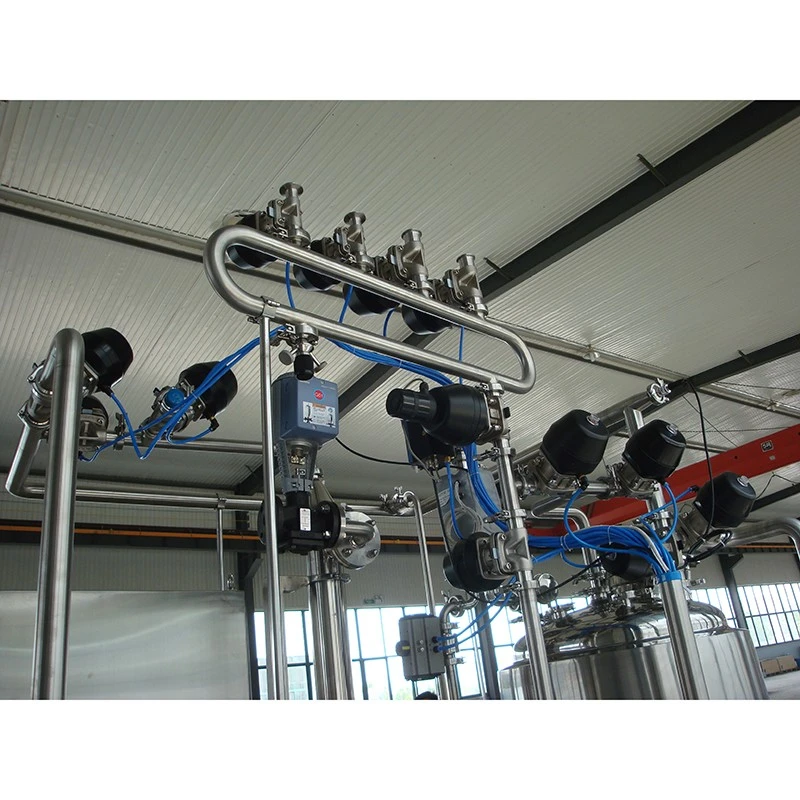
Automation also makes the operation of the CIP System more efficient. You don't have to manually monitor and adjust the valves and pumps all the time. The system can be programmed to start and stop at specific times, and it can even send alerts if there's a problem, like a low solution level or a pump malfunction.
Comparison with Other Cleaning Systems
Now, let's talk about how CIP Systems compare with other cleaning systems. For example, the Filter Cleaning System is mainly focused on cleaning filters. While it's an important part of the overall cleaning process, it's more specialized. A CIP System, on the other hand, can clean a wide range of equipment, including pipes, tanks, and other process components.
Another related system is the SIP System. SIP stands for Sterilize - in - Place. While a CIP System is mainly for cleaning, an SIP System is for sterilization. In many cases, a CIP System is used first to clean the equipment, and then an SIP System is used to sterilize it, especially in the pharmaceutical industry.
Advantages of Using a CIP System
There are several advantages to using a CIP System. First of all, it saves a lot of time. Since you don't have to disassemble the equipment for cleaning, you can clean it much faster. This means less downtime for your production line, which translates to more productivity.
It also improves the quality of the cleaning. The automated process ensures that every part of the equipment is cleaned thoroughly and consistently. This reduces the risk of product contamination, which is a major concern in industries like food and pharmaceuticals.
CIP Systems are also more cost - effective in the long run. Although the initial investment might be high, the savings in labor costs, reduced downtime, and improved product quality make it a worthwhile investment.
Customization and Maintenance
One of the great things about CIP Systems is that they can be customized. Different industries have different cleaning requirements, and a good CIP System supplier can design a system that meets your specific needs. For example, if you have a large - scale production facility, you might need a more powerful system with larger tanks and pumps.
Maintenance is also important. Regular maintenance ensures that the CIP System continues to work efficiently. This includes checking the pumps, valves, and spray devices for wear and tear, and replacing any parts that are damaged. It's also important to monitor the quality of the cleaning solutions and make sure they're being used correctly.
Why Choose Our CIP System
As a CIP System supplier, we offer high - quality systems that are designed to meet the diverse needs of our customers. Our systems are built with the latest technology, ensuring maximum efficiency and reliability. We have a team of experts who can help you choose the right system for your application and provide you with support throughout the installation and operation process.
If you're looking for a CIP System that can improve your cleaning process, increase productivity, and ensure product quality, then you've come to the right place. We're here to help you take your cleaning to the next level. Whether you're in the food, beverage, pharmaceutical, or cosmetics industry, we've got a solution for you.
If you're interested in learning more about our CIP Systems or want to discuss your specific requirements, don't hesitate to reach out. We're always happy to have a chat and see how we can help you with your cleaning needs. Let's work together to make your cleaning process more efficient and effective.
References
- "Clean-in-Place (CIP) Systems: Design, Operation, and Validation" by various industry experts
- Industry standards and guidelines for cleaning and sanitation in food, pharmaceutical, and cosmetic industries