

SIP, which stands for Sterilization in Place, is a crucial process in various industries, especially in the pharmaceutical, food and beverage, and biotechnology sectors. As a SIP System supplier, I have witnessed firsthand the diverse and significant applications of SIP presence. In this blog, I will explore these applications in detail, highlighting how SIP systems contribute to efficiency, safety, and quality in different industrial processes.
Pharmaceutical Industry
In the pharmaceutical industry, the highest level of sterility is non - negotiable. SIP systems play a vital role in ensuring that equipment and pipelines are free from microorganisms before and after manufacturing processes.
Drug Manufacturing
SIP systems are used to sterilize the equipment involved in drug synthesis, such as reactors, mixing tanks, and pipelines. The presence of SIP technology enables continuous production cycles. Without the need to disassemble the equipment for sterilization, downtime is significantly reduced. For example, in the production of injectable drugs, any contamination can have severe consequences for patient safety. SIP systems can be programmed to carry out a full sterilization cycle, including pre - rinse, steam injection at specific temperatures and pressures, and post - rinse, all while the equipment remains in its operational position. This not only ensures the sterility of the final product but also maintains the integrity of the equipment.
Filling and Packaging Lines
The filling and packaging lines in the pharmaceutical industry are also prime candidates for SIP applications. These lines are responsible for transferring the final drug product into containers such as vials, ampoules, or syringes. SIP systems can sterilize the filling nozzles, tubing, and other components that come into contact with the drug. By doing so, they prevent microbial contamination during the filling process, which is critical for maintaining the drug's efficacy and safety. For instance, a small amount of bacteria introduced during filling can lead to product spoilage and patient infections. The continuous presence of SIP in these lines provides a reliable barrier against such risks. You can find more information about our SIP capabilities on our SIP System page.
Food and Beverage Industry
In the food and beverage industry, SIP systems are essential for maintaining product quality, extending shelf life, and meeting strict hygiene regulations.
Dairy Production
In dairy production, SIP systems are used to sterilize milk processing equipment, including pasteurizers, separators, and storage tanks. Milk is a highly perishable product that can easily harbor harmful bacteria. By using SIP technology, dairy manufacturers can ensure that the equipment is thoroughly cleaned and sterilized between batches. This helps to prevent the growth of bacteria such as Salmonella and Listeria, which can cause serious foodborne illnesses. The continuous presence of SIP in the dairy production process also helps to maintain the flavor and nutritional value of the milk products, as it reduces the need for harsh chemical cleaners that can leave residues and affect the taste.
Beverage Bottling Plants
Beverage bottling plants rely on SIP systems to sterilize the bottling lines, including the filler bowls, conveyors, and capping machines. Carbonated beverages, juices, and other non - alcoholic and alcoholic drinks need to be protected from microbial contamination. SIP systems use steam or hot water to sanitize the equipment, ensuring that the final product is safe for consumption. For example, in the production of beer, any contamination can lead to off - flavors and spoilage. The SIP presence in the bottling process helps to maintain the quality and consistency of the beer, which is essential for consumer satisfaction.
Biotechnology Industry
The biotechnology industry, which focuses on the production of biological products such as vaccines, antibodies, and enzymes, requires a high - level of sterility control. SIP systems are indispensable in this field.
Fermentation Processes
Fermentation is a key process in biotechnology, where microorganisms are used to produce various biological products. SIP systems are used to sterilize the fermentation vessels, agitators, and associated piping. The presence of SIP technology is crucial for preventing contamination by unwanted microorganisms, which can compete with the desired culture and reduce product yield. For example, in the production of insulin through fermentation, any contamination can lead to the production of impure insulin, which is not only ineffective but can also be harmful to patients. SIP systems ensure that the fermentation environment remains sterile throughout the production process, allowing for the efficient production of high - quality biological products.
Cell Culture
Cell culture is another area in biotechnology where SIP systems are widely used. Cell culture involves growing cells in a controlled environment for various applications, such as drug discovery and tissue engineering. The equipment used in cell culture, such as bioreactors, incubators, and media preparation systems, needs to be kept sterile to prevent the growth of contaminants. SIP systems can be used to sterilize these components in place, eliminating the risk of introducing contaminants during disassembly and reassembly. This helps to maintain the integrity of the cell cultures and ensures the reliability of the experimental results.
Other Applications
Apart from the above - mentioned industries, SIP systems also have applications in other areas.
CIP System Integration
SIP systems can be integrated with CIP System (Cleaning in Place) systems. CIP systems are used to clean the interior surfaces of equipment, while SIP systems are used for sterilization. By integrating the two systems, companies can achieve a comprehensive cleaning and sterilization process. For example, after a CIP cycle has removed the bulk of the contaminants, an SIP cycle can be initiated to ensure that all remaining microorganisms are eliminated. This integrated approach not only saves time and resources but also improves the overall efficiency of the cleaning and sterilization process.

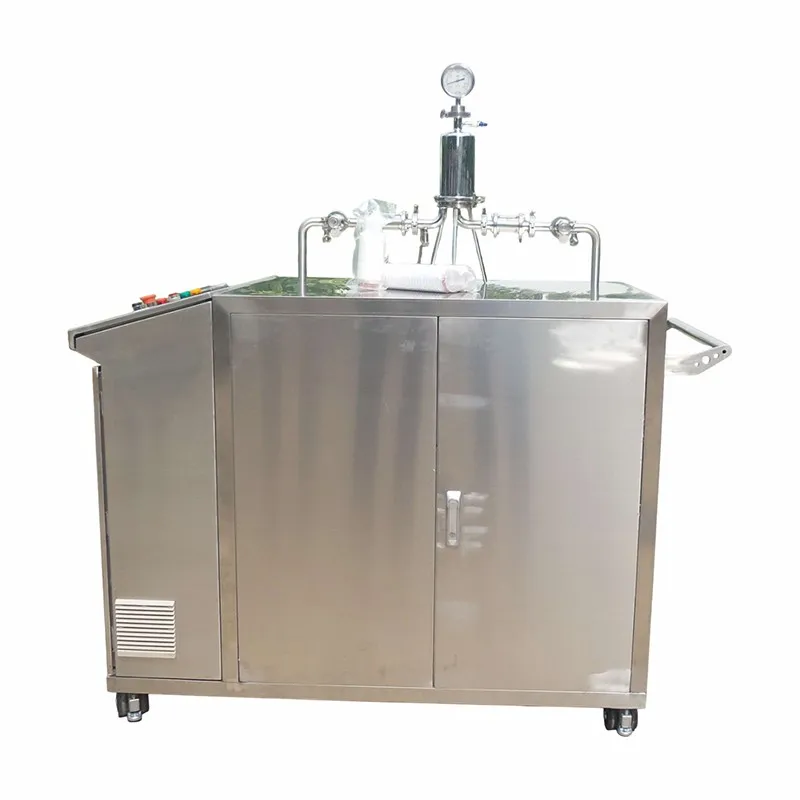
Filter Cleaning System
In industries where filtration is an important part of the production process, SIP systems can be used in conjunction with Filter Cleaning System. Filters are used to remove particles and microorganisms from liquids and gases. Over time, filters can become clogged with contaminants, reducing their efficiency. SIP systems can be used to sterilize the filters and associated housing, ensuring that they remain in optimal working condition. This helps to maintain the quality of the filtered products and extends the lifespan of the filters.
Conclusion
The applications of SIP presence are vast and far - reaching, spanning multiple industries. From ensuring the safety and quality of pharmaceutical products to maintaining the freshness and flavor of food and beverages, SIP systems have become an indispensable part of modern industrial processes. As a SIP System supplier, we are committed to providing high - quality, reliable SIP solutions that meet the diverse needs of our customers.
If you are interested in learning more about our SIP systems or are considering a purchase for your industrial processes, we encourage you to contact us for a detailed consultation. Our team of experts is ready to assist you in finding the best SIP solution for your specific requirements.
References
- Pharmaceutical Engineering Handbook, 3rd Edition
- Food and Beverage Processing Technology, 2nd Edition
- Biotechnology: Principles and Processes, 4th Edition