

Picking the perfect filter cleaning system isn't a walk in the park. As a supplier of Filter Cleaning Systems, I've seen how tough it can be for folks to make the right call. There are tons of factors to think about, and it definitely takes some research. But no worries! I'm here to guide you through this maze and help you pick the system that's spot - on for your needs.
Understanding Your Filter Types
First things first, you gotta know what kind of filters you're dealing with. Different filters have different cleaning requirements. For instance, if you've got surface filters, like those used in basic air - filtering setups, they mainly trap particles on the outer layer. These can often be cleaned by simple methods like reverse - flow air blasting or gentle brushing.
On the flip side, depth filters are a whole different ballgame. They're designed to capture particles within their structure, not just on the surface. These filters usually need more intensive cleaning, such as chemical soaking or ultrasonic cleaning. Check out the Filter Cleaning System on our website for more details on how it can handle various filter types.
Let's talk about cartridge filters, which are pretty common in many industries. These are known for their high dirt - holding capacity. They can often benefit from a mix of mechanical and chemical cleaning. For small - scale operations, a manual filter cleaning setup might do the job, where you can physically scrub and rinse the cartridges. But for larger industrial settings, an automated system is usually the way to go.
Considering Your Industry Requirements
The industry you're in is a major factor in choosing the right filter cleaning system. In the food and beverage industry, for example, cleanliness and hygiene are super important. The filters used here need to be cleaned thoroughly to prevent any contamination. A CIP System (Clean - in - Place) is often a great choice for this industry. It allows for automated cleaning of filters without having to disassemble them, which saves time and reduces the risk of introducing new contaminants.
In the pharmaceutical industry, the standards are even higher. The filters have to be cleaned in a way that ensures they meet strict regulatory requirements. A SIP System (Sterilize - in - Place) might be necessary in addition to regular cleaning. This system not only cleans the filters but also sterilizes them to prevent any microbial growth.
If you're in the automotive or manufacturing industry, filters are used to remove debris and contaminants from fluids like oil and coolant. These filters can handle more rugged cleaning methods. For example, high - pressure water jets can be used to blast away the dirt. However, you still need to make sure that the cleaning process doesn't damage the filter structure.
Evaluating the Cleaning Capacity
How much cleaning do you need to do? That's a crucial question. If you have a small - scale operation with just a few filters, a compact and affordable filter cleaning system might be sufficient. These systems are usually easy to operate and don't take up much space.
But for large industrial plants with a high volume of filters that need cleaning regularly, a heavy - duty and high - capacity system is essential. These systems can handle multiple filters at once and can operate continuously for long periods. They might come with features like conveyor belts to move the filters through the cleaning process or multiple cleaning stations for different stages of the cleaning.
Assessing the Energy Efficiency
We're all looking to save some money on energy costs, right? So, it's important to consider the energy efficiency of the filter cleaning system. Some systems use a lot of water, electricity, or chemicals, which can add up over time.
Look for systems that are designed to be energy - efficient. For example, some modern filter cleaning systems use advanced technology to optimize the use of water and chemicals. They might have sensors that adjust the cleaning process based on the level of dirt on the filter, reducing waste.
Thinking About Maintenance and Support
A filter cleaning system isn't a one - and - done purchase. You'll need to maintain it regularly to keep it running smoothly. When choosing a system, find out what kind of maintenance it requires. Some systems are relatively low - maintenance, with simple parts that are easy to replace. Others might need more complex servicing.
It's also important to consider the support you'll get from the supplier. As a supplier, I can tell you that we offer comprehensive support, including training on how to operate the system, troubleshooting guides, and access to spare parts. You want a supplier who'll be there for you when something goes wrong and can provide quick solutions.

Compatibility with Existing Equipment
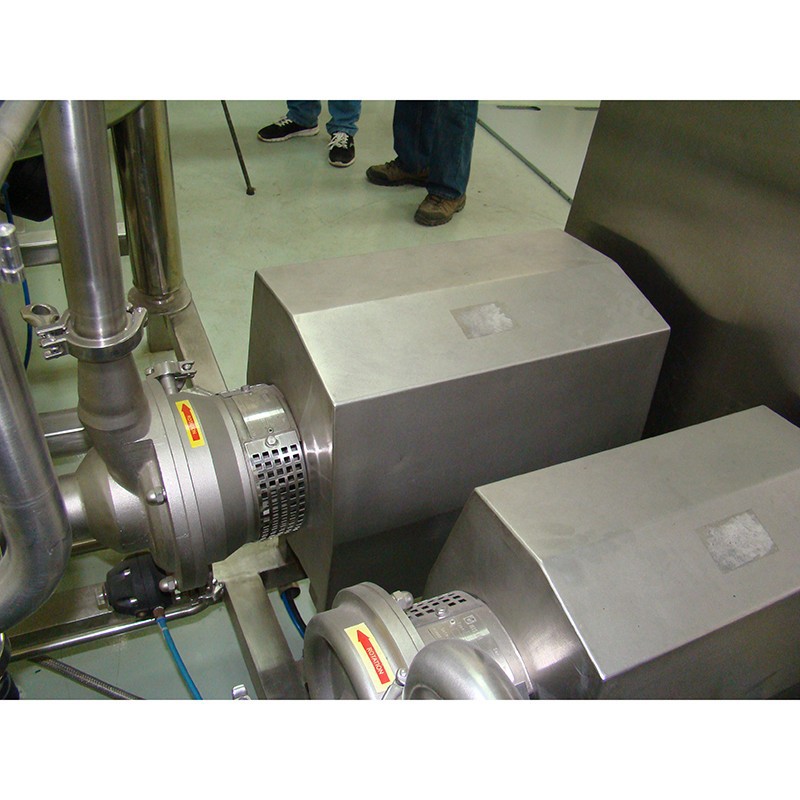
If you already have some equipment in your facility, you need to make sure that the new filter cleaning system is compatible with it. For example, if you have a specific conveyor system or a fluid handling setup, the cleaning system should be able to integrate with it seamlessly. This will save you time and money on modifications and ensure that the whole process runs smoothly.
Cost - Benefit Analysis
Last but not least, you've got to do a cost - benefit analysis. The initial cost of the filter cleaning system is important, but you also need to consider the long - term costs, such as energy consumption, maintenance, and the cost of replacement parts. On the other hand, think about the benefits, like increased filter lifespan, improved filtration efficiency, and reduced downtime.
A more expensive system might seem like a big investment at first, but if it saves you money in the long run through lower operating costs and higher productivity, it could be well worth it.
So, there you have it! By considering all these factors - the type of filters, industry requirements, cleaning capacity, energy efficiency, maintenance and support, compatibility with existing equipment, and cost - benefit analysis - you can choose the right filter cleaning system for your needs.
If you're interested in learning more about our Filter Cleaning Systems or have any questions about which system would be best for you, don't hesitate to reach out. We're here to help you make an informed decision and get your filtration process running at its best.
References
- Industry - specific filtration standards publications.
- Manufacturer's documentation for filter cleaning systems.
- Technical reports on energy - efficient filtration technologies.